

Kim Jong Un's latest rocket engine test signals a major shift in North Korea's nuclear strategy—are we witnessing a new era in missile technology?
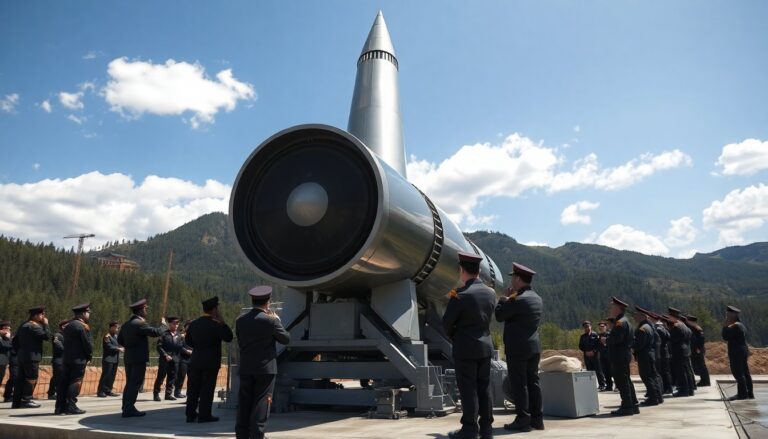
North Korea has recently made headlines with its advancements in missile technology. Kim Jong Un has been closely overseeing tests of a new solid-fuel rocket engine, which is raising eyebrows globally. This development is being characterized as a significant enhancement for North Korea’s strategic nuclear forces.
Understanding the implications of this move is crucial for international security.
Details on the New Rocket Engine
According to North Korea’s state media, KCNA, the new rocket engine is designed specifically for intercontinental ballistic missiles (ICBMs). It reportedly generates 1,971 kilonewtons of thrust, surpassing the power of previous engines tested by the regime.
Kim has referred to this advancement as an “eye-opening” development, marking a pivotal moment in their nuclear capabilities.
This latest test represents the ninth and reportedly final ground test of the solid-fuel rocket type. Solid-fuel rockets offer quicker launch times compared to their liquid-fuel counterparts, enhancing their strategic viability.
Kim’s enthusiasm following the test underscores North Korea’s intent to assert itself more prominently on the global stage.
Implications for Global Security
Defense analysts are expressing concern regarding North Korea’s expanding missile capabilities. These advancements could pose a significant threat to the continental United States, raising alarms about international security. North Korea’s nuclear ambitions appear to be a strategic effort to elevate its status as a nuclear power and to gain leverage in negotiations with the United States and other global actors.
Moreover, the announcement of this test coincided with North Korea’s 77th founding anniversary, suggesting a calculated effort to demonstrate military strength. Additionally, KCNA reported that Chinese President Xi Jinping extended congratulations to Kim, emphasizing the importance of strengthening ties between China and North Korea. This development raises questions about potential geopolitical shifts in the region.
The Bigger Picture: Alliances and Diplomacy
Kim’s participation in international events alongside leaders like Vladimir Putin and Xi Jinping indicates a strategic focus on solidifying alliances with influential nations. This approach may be aimed at counterbalancing U.S. influence in Asia. The formation of these alliances could potentially create a more unified front against Western powers.
As the situation continues to evolve, remaining informed about these developments is essential. The consequences of North Korea’s missile tests could have lasting effects on international relations and global security. Engaging in discussions about these issues is vital. What are your thoughts on North Korea’s missile tests and their implications for global security?
