

The recent Israeli airstrike in Qatar targeting Hamas leaders has sent shockwaves through the region. What does this mean for ongoing peace negotiations and the future of Israel-Hamas relations?
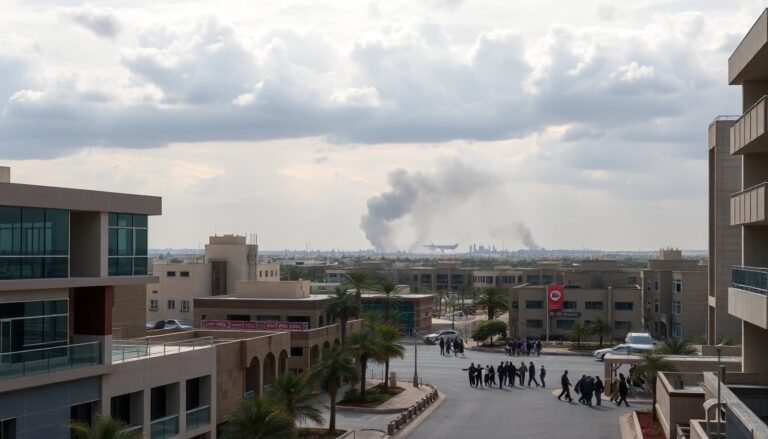
Significant developments have emerged in the Middle East today. Israel has conducted an airstrike targeting high-ranking Hamas leaders in Qatar, raising concerns about its implications for regional peace. This situation has sparked discussions on the potential consequences of such actions.
Understanding the Attack
Reports indicate that the airstrike struck a Hamas compound in Doha, where prominent figures, including Khalil al-Hayya, were present. This operation follows a deadly attack in Jerusalem that resulted in six fatalities. Israeli Prime Minister Benjamin Netanyahu characterized the airstrike as a “surgical precision strike,” asserting it was a justified response to recent violence.
However, the attack has faced international condemnation as a violation of international law.
Netanyahu stated that this action was necessary against those who celebrated the recent violence, asserting that Hamas leaders should no longer feel secure. He also noted that the United States had been informed prior to the operation, adding complexity to the situation.
Reactions from the Region
Reactions to the airstrike have been swift. Qatar condemned the operation as a “cowardly” act, while Turkey criticized it as part of an expansionist policy. The fallout from this event has led to discussions regarding increased military support for Qatar from countries like Saudi Arabia. The geopolitical tensions are palpable.
Furthermore, the United Nations Secretary-General denounced the strikes, emphasizing the need for all parties to pursue a lasting ceasefire rather than exacerbating the conflict. Hamas reported that while some negotiators were injured, many senior leaders survived the airstrike. However, the loss of lives, including al-Hayya’s son, adds a personal tragedy to the ongoing conflict.
The Impact on Peace Negotiations
With peace negotiations already fragile, this airstrike could serve as a tipping point. Just days prior, discussions were underway about a potential ceasefire, facilitated by negotiations in Qatar. Now, those talks are at risk, as the focus shifts from diplomacy to military actions, complicating trust-building efforts.
Netanyahu’s position is clear: he will continue to target Hamas leaders to ensure Israel’s security. However, this raises concerns regarding the humanitarian situation in Gaza, which is already dire. Escalations like this could further deteriorate conditions for civilians caught in the conflict.
As we reflect on this situation, it is crucial to maintain an open dialogue and consider how the international community should respond to this crisis. Engaging in discussions about potential pathways to peace is vital for fostering understanding and cooperation.
