

Hurricane Melissa: A Rising Threat to Jamaica As Hurricane Melissa approaches Jamaica, it poses a significant danger, with expectations of severe flooding and widespread destruction. Residents are urged to prepare for potential impacts as the storm intensifies. Stay informed and prioritize safety measures to mitigate the risks associated with this dangerous weather event.
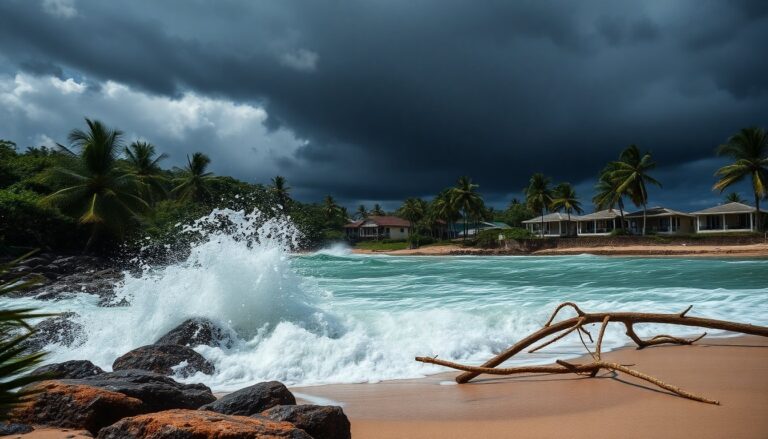
As hurricane Melissa strengthens over the Caribbean, the island of Jamaica is preparing for a potentially historic storm. With winds reaching up to 160 mph, this hurricane is more than a weather event; it poses a serious humanitarian crisis. Residents have been urged to brace for catastrophic flash flooding and landslides, as the hurricane is forecasted to make landfall late on October 27 or early on October 28.
On October 26, forecasters reported that Melissa had intensified to a Category 4 hurricane, with predictions indicating a possible upgrade to Category 5. The National Hurricane Center (NHC) has warned that Jamaica will face life-threatening conditions, including heavy rainfall and gale-force winds expected to strike the island imminently.
Projected path and impacts of hurricane Melissa
The storm is currently tracking northwest across the Caribbean Sea, threatening not only Jamaica but also parts of Cuba, Haiti, and the Dominican Republic. A hurricane warning has been issued for Jamaica, underscoring the urgency of the situation.
The NHC has projected peak wind speeds of around 150 mph for Jamaica, which could lead to unprecedented destruction.
Preparedness and evacuations
In anticipation of the disaster, local authorities have activated emergency shelters and closed airports to ensure resident safety. As of October 26, approximately 881 shelters have opened across Jamaica, offering refuge for those seeking safety from the storm. The Office of Disaster Preparedness and Emergency Management has indicated that several parishes are at high risk of flooding and landslides. Minister of Local Government, Desmond McKenzie, has warned that some communities may not withstand the expected flooding, prompting mandatory evacuation orders in high-risk areas.
Historical context of hurricane threats
Jamaica has a history of severe storms, yet Melissa presents unique challenges. According to hurricane researcher Michael Ferragamo, if Melissa maintains its current trajectory and strength, it will be the fifth major hurricane to impact the island on record. The devastating effects of past hurricanes, such as Hurricane Gilbert in 1988, highlight the potential destruction. Gilbert made landfall as a high-end Category 3 storm, while Melissa is projected to exceed that intensity.
Broader implications for the Caribbean
The effects of Melissa extend beyond Jamaica. Neighboring countries, including Haiti and the Dominican Republic, also face threats from flash flooding and landslides. The NHC cautions that these regions could sustain severe infrastructural damage and community isolation due to the storm’s slow progress. Some areas may receive upwards of 40 inches of rain, increasing the risk of flooding.
As the storm approaches, residents in Jamaica and nearby regions are advised to remain vigilant and heed official guidance. Many locals express a desire to weather the storm at home, showing a mix of resilience and concern. For instance, boat captain Douglas Butler remarked, “We are riding out the storm… I just take things easy. As long as I have my food, I can eat. That is the most important thing.” This sentiment reflects a broader attitude among those who choose to stay in high-risk areas.
Despite the imminent threat, the Caribbean Disaster Emergency Management Agency is mobilizing to provide support, with numerous international partners pledging assistance in the storm’s aftermath. Jamaica’s information minister, Dana Morris Dixon, highlighted the critical importance of preparation as the country braces for the hurricane’s intensity.
Hurricane Melissa is poised to deliver a devastating blow to Jamaica and surrounding islands. As communities prepare for the worst, the need for vigilance and readiness has never been more urgent. The impact of this storm will not only challenge the resilience of the island but may also serve as a stark reminder of the increasing frequency and severity of natural disasters across the Caribbean.
