

Digital health is changing how we approach healthcare, making it more patient-centered and effective.
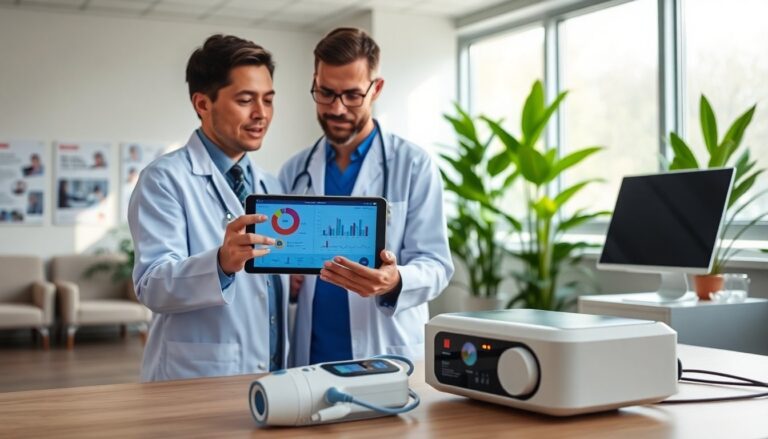
The rise of digital health: transforming patient care through technology
The healthcare landscape has encountered significant challenges, including rising costs, patient dissatisfaction, and the urgent need for personalized medicine. Digital health has emerged as a viable solution, enhancing patient care through innovative technologies.
Identifying the clinical need
The demand for efficient and tailored healthcare services remains high. Patients increasingly seek solutions that enable proactive health management. According to clinical trials, over 70% of patients express a preference for digital health solutions to monitor their conditions and receive health advice.
Technological solutions
Technologies such as telemedicine, mobile health applications, and wearable devices are leading this digital transformation. These tools facilitate real-time monitoring of health parameters and improve communication between patients and healthcare providers, ultimately resulting in better health outcomes.
Scientific evidence supporting digital health
Numerous peer-reviewed studies validate the effectiveness of digital health interventions. For example, a systematic review published in Nature Medicine indicates that telehealth services can decrease hospital readmission rates by as much as 30%. Furthermore, real-world data highlight improved adherence to treatment protocols among patients utilizing mobile health tools.
Implications for patients and the healthcare system
The integration of digital health solutions empowers patients by granting them greater control over their health. It also alleviates pressure on healthcare systems. By enabling remote consultations and monitoring, healthcare providers can allocate resources more efficiently, ultimately improving the quality of care.
Future perspectives and expected developments
The potential for digital health is extensive. Innovations such as artificial intelligence and machine learning are poised to further personalize healthcare, anticipating patient needs before they arise. As regulatory frameworks adapt and technology advances, a more integrated approach to health management prioritizing patient well-being is anticipated.
