

Military Mission Planning: Disruption of Drug Cartels in Mexico Strategic plans are being developed for a potential military operation in Mexico focused on dismantling drug cartels. This initiative aims to enhance security, combat organized crime, and restore stability in affected regions.
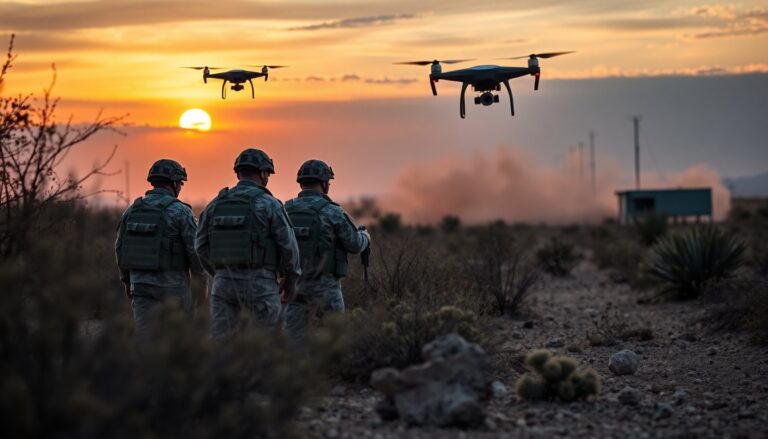
The Trump administration is reportedly developing a strategy that may involve dispatching US troops to Mexico as part of a larger initiative to combat the pervasive issue of drug trafficking. This plan, still in its preliminary stages, focuses on drone strikes and ground operations targeting key drug cartel figures and their laboratories.
According to multiple sources familiar with the situation, the proposed military campaign represents a significant escalation from previous tactics employed by various administrations. Historically, the US has supported Mexican law enforcement through training and intelligence sharing, but this new approach suggests a more direct involvement in operations.
Overview of the proposed mission
Current discussions among US officials indicate that if the mission proceeds, troops would likely originate from the Joint Special Operations Command and operate under the Title 50 authority, which governs US intelligence operations. This authorization would enable covert actions against drug cartels deemed foreign terrorist organizations, a designation that includes several Mexican cartels and international gangs.
Collaboration or confrontation?
While the Trump administration is keen on collaborating with the Mexican government, it has not ruled out unilateral action if necessary. Mexican President Claudia Sheinbaum has publicly opposed any form of foreign intervention, stating that Mexico will coordinate with the US but will not allow itself to be subjugated. Her administration has already increased military presence at the US border and enhanced drug seizure efforts.
The ongoing dialogue on this mission reflects broader concerns regarding the efficacy of traditional law enforcement methods in combating drug trafficking. The administration argues that these measures have failed to adequately address the problem, which continues to claim thousands of lives annually in the US.
Recent military actions
Since the beginning of September, the Trump administration has initiated a military campaign that includes strikes against suspected drug smuggling vessels in the Caribbean and Pacific oceans. Reports suggest that approximately 64 individuals have been killed in these operations, which were conducted without revealing substantial evidence regarding the targets.
Legal framework and implications
In February, the State Department classified several Mexican drug cartels as foreign terrorist organizations, granting US intelligence agencies expanded authority for covert operations. This legal framework could potentially facilitate drone strikes and other military actions within Mexico’s borders.
While the administration’s focus on Mexico follows a series of military engagements against drug trafficking in Venezuela, the intent is not to destabilize the Mexican government but rather to address the drug cartels directly. Officials maintain that the mission aims to disrupt the supply chains of these criminal organizations and thus mitigate the threat they pose to US national security.
Future considerations
As discussions about the potential deployment of US troops to Mexico continue, the administration faces mixed reactions from both domestic and international observers. Supporters argue that decisive action is necessary to confront the drug trade, while critics raise concerns about the implications of military intervention in a foreign country.
The success of this initiative will depend on a complex interplay of military strategy, diplomatic relations, and the ability to navigate the intricacies of Mexican sovereignty. As the situation evolves, the world will be watching closely to see how the Trump administration balances its approach to addressing the ongoing crisis of drug trafficking.
