

Recent torrential rains have caused devastating flooding and landslides throughout Southeast Asia, impacting millions of lives.
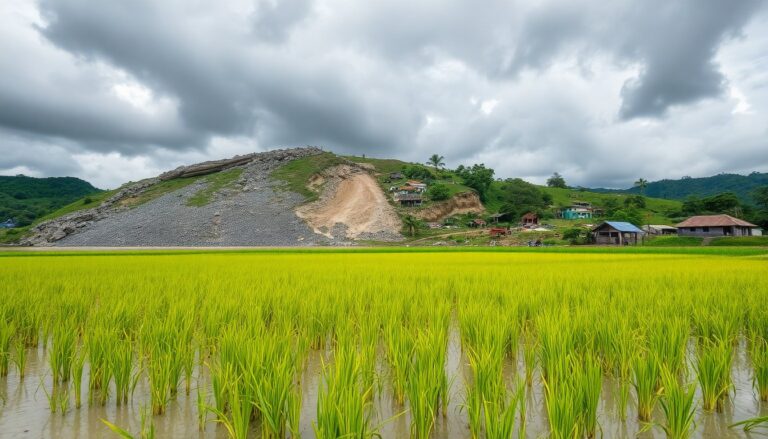
Southeast Asia has recently experienced severe weather, resulting in devastating flooding and landslides that have caused significant loss of life and property. The relentless rains that began in October have intensified, leading to widespread destruction in countries such as Vietnam, Thailand, and Malaysia.
As the situation unfolds, authorities are mobilizing resources to provide relief and support to affected communities.
Impact of heavy rains in Vietnam
Vietnam has been one of the hardest-hit nations, with the death toll rising to at least 91 due to the recent downpours.
The ongoing rainfall has created catastrophic conditions, particularly in the mountainous province of Dak Lak, where 63 individuals have drowned. Other provinces, including Khanh Hoa, Lam Dong, and Quang Tri, have reported fatalities as well. The Vietnamese government has declared a state of emergency while assessing the devastation, which has flooded over 235,000 homes and caused damages exceeding $500 million.
Relief efforts in action
In response to the crisis, tens of thousands of personnel have been deployed to deliver essential supplies, including food and medicine, to those in need. Helicopters have assisted in rescuing stranded individuals, demonstrating the government’s commitment to addressing the catastrophe. However, challenges persist, as more rain is expected later this week, putting additional communities at risk.
Thailand’s struggle with flooding
Meanwhile, Thailand is facing its own crisis. Nearly two million people have been affected by flash floods sweeping through the southern regions. Hat Yai, a major economic center, recorded an astonishing 335 millimeters (over 13 inches) of rain in just one day, marking the highest rainfall in 300 years. The severe weather has claimed five lives, with authorities warning that water levels may continue to rise with additional rain anticipated.
Evacuations and rescue operations
Local officials are working tirelessly to evacuate residents trapped by rising waters. Emergency crews have resorted to using boats for transportation, illustrating the severity of the flooding. With infrastructure damaged and roads washed out, the situation remains precarious, and recovery efforts continue.
Malaysia faces similar challenges
Across the border, Malaysia is grappling with the fallout from heavy rains. Reports indicate that over 12,500 individuals have been evacuated as flooding wreaks havoc in various states, particularly in Kelantan. Fortunately, no fatalities have been reported thus far, but authorities remain vigilant as further rain is predicted. Temporary shelters have been established to accommodate those displaced by the floods.
The bigger picture: climate change and extreme weather
This year’s flooding is not an isolated incident; it reflects a troubling trend exacerbated by human-induced climate change. Scientists warn that rising global temperatures are contributing to more frequent and severe extreme weather events. Consequently, Southeast Asia—a region already vulnerable to natural disasters—faces increasing risks associated with flooding and landslides.
The past months have witnessed not only ongoing monsoon rains but also the aftermath of powerful typhoons that caused significant damage and displacement in September and October. The International Organization for Migration has reported that earlier storms resulted in damages amounting to $1.2 billion in Vietnam alone, displacing hundreds of thousands of residents.
As the situation continues to evolve, governments and international organizations are striving to provide assistance to those affected by these natural disasters. With communities grappling with the destruction, the focus now shifts to recovery and rebuilding efforts amid escalating environmental challenges.
