SEPA and local partners are investigating a pollution event on the Burn of Carron after white discolouration and dead aquatic life were reported; anyone with information is asked to contact SEPA
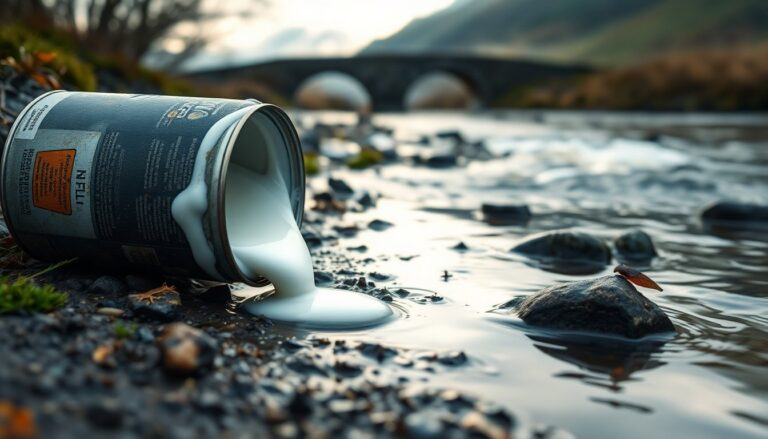
The Scottish Environment Protection Agency (SEPA) has opened an active inquiry following reports of contamination on the Burn of Carron near Aberlour. The situation was made public on 17 April 2026, after initial alerts were received on 14 April. Local river users and fisheries staff first noticed a striking white discolouration in the stream, accompanied by a solvent-like smell described as similar to turpentine.
This introduction provides a concise overview of events, the organisations involved, and how the public can assist the investigation.
Incident timeline and immediate response
On the afternoon of 14 April officers attended following the first report of altered water appearance and odour.
Field teams documented the presence of a paint-like substance affecting a local tributary and began tracing possible sources. Initial fieldwork identified a likely origin at a layby on the A95, where pollutants appeared to have entered a drainage route into the burn.
SEPA officers returned to the site on 15 April to re-assess conditions and later confirmed that some sections of the burn had resumed normal clarity, though samples and observations continued to be taken to characterise the contamination.
Further sightings and field evidence
Later reports that same week, including an evening update from the Spey Fishery Board, indicated more extensive harm: several dead fish and other aquatic animals were discovered. The board’s staff retraced the contamination to the same layby on the A95, prompting renewed on-site inspections. Investigators recorded both visual signs and olfactory evidence that supported the theory of a solvent or paint-type pollutant entering a drainage system and then the burn.
Environmental and community impact
Local environmental partners, including NatureScot and the Spey Fishery Board, are working alongside SEPA to evaluate the wider ecological consequences in the Burn of Carron and downstream in the River Spey. Preliminary assessments noted that this season’s salmon, which are currently upstream, were not affected, but populations from a previous year have suffered mortalities. This loss is particularly distressing to those who have been involved in long-term habitat restoration and fishery recovery programmes in the catchment.
Community reaction and statements
Spey Fishery Board representatives described the event as the result of deliberate waste disposal. Manager Duncan Ferguson reported that the board traced two separate fly-tipping events into the same drain within a two-hour window, an action that appeared to trigger the pollution. Chair Peter Graham called the damage “heartbreaking,” saying it undermines sustained efforts to rehabilitate the river. Such community responses underline the social as well as ecological cost of the incident.
Investigation progress and how the public can help
SEPA continues to monitor the area, taking samples and assessing biological impacts to inform any follow-up enforcement or remediation work. By 17 April 2026 officers confirmed that the waters of the Burn of Carron and parts of the River Spey were running clear, but the agency emphasises that ecological effects are still being determined. The investigation involves cross-agency collaboration to quantify damage, identify potential contaminants, and determine appropriate next steps to support recovery.
The public is being asked to share any information that could assist the inquiry. SEPA has thanked local residents and river users for early alerts and asks anyone with relevant observations, photographs, dashcam footage or other details to contact them immediately. Reports can be made by telephone at 0800 80 70 60 or online via www.sepa.org.uk/report. Prompt community reporting can be crucial to tracing sources and preventing future harm to the river ecosystem.