US forces boarded a sanctioned tanker and negotiators prepare for possible talks in Islamabad — the ceasefire faces a critical test.
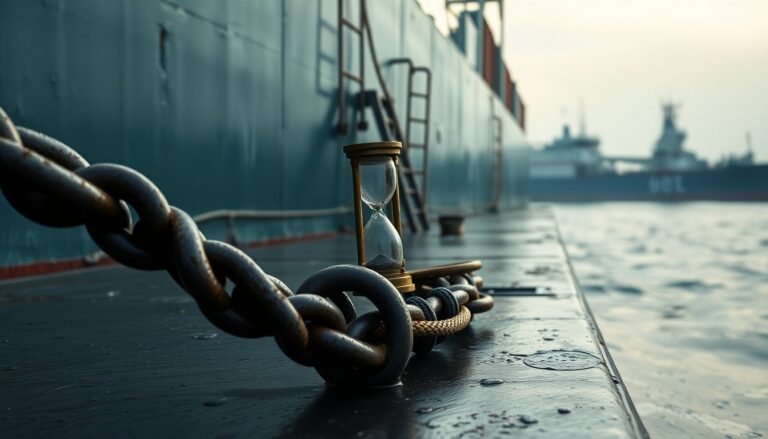
The international tension between Washington and Tehran intensified on 21 April 2026 when US forces carried out a boarding of the merchant vessel M/T Tifani in the Indo-Pacific. The Pentagon described the ship as a stateless sanctioned vessel and said the action was part of ongoing efforts to obstruct shipping that provides logistical support to Iran.
At the same time President Donald Trump posted on Truth Social accusing Tehran of multiple breaches of the 14-day ceasefire, signalling that the temporary pause in hostilities could end if a political settlement is not reached.
The boarding was reported to have occurred “without incident,” according to a Department of War statement, which said U.S.
forces executed a right-of-visit and a maritime interdiction in the INDOPACOM area of responsibility. Officials noted the vessel was linked to an entity already under American sanctions and was carrying a substantial cargo load. Washington framed the operation as enforcement of global maritime rules against networks that enable Tehran, asserting that international waters cannot serve as a refuge for vessels that provide material support to a sanctioned state.
Legal basis and operational details
U.S. statements emphasised legal and procedural language to justify the seizure: the use of a right-of-visit permits boarding when a ship is suspected of lacking clear nationality or breaching sanctions, while maritime interdiction targets the movement of prohibited goods and support. The Pentagon underscored that the objective is to interrupt logistics chains rather than to create an open sea confrontation. Images released by U.S. Central Command documented patrols and searches in the Arabian Sea, illustrating how coalition forces physically inspect containers and cargo manifests when violations are suspected.
Diplomatic consequences and the Islamabad option
The maritime action complicates a fragile diplomatic pause. The 14-day truce is due to expire this week, and Mr Trump said in interviews he was unlikely to extend the arrangement unless a comprehensive peace deal is agreed. Washington has presented Islamabad as a potential venue for follow-up diplomacy, but Tehran’s response has been cautious: Iranian state television flashed an on-screen notice saying, “no delegation from Iran has visited Islamabad … so far,” reflecting internal debate over whether to travel while the U.S. maintains a naval blockade and continues interdiction operations.
Who might go to Pakistan?
Reports have been fluid about the composition of any American negotiating team; various outlets suggested figures such as the vice president and senior envoys could travel to Pakistan to pursue direct dialogue. From Washington’s perspective, a delegation would aim to convert the ceasefire into lasting arrangements that address the core disputes: maritime access, sanctions, and uranium and security guarantees. In Tehran, negotiators signalled skepticism about entering talks “under the shadow of threats,” indicating that maritime pressure could harden positions rather than induce concessions.
Iran’s warned responses
Tehran has publicly warned of preparations to reveal “new cards” on the battlefield should hostilities resume, a phrase used by parliamentary speaker and negotiator Mohammad-Bagher Ghalibaf. That rhetoric suggests Iran retains options that it characterises as calibrated military measures, cyber tools, or shifts in regional alliances. Policymakers in capitals tracking the situation view such statements as intended to signal deterrence while leaving room for diplomatic manoeuvre — but they also underline how quickly escalation dynamics can change.
Domestic politics and public opinion
The events at sea and the broader confrontation are affecting politics at home in the United States. A Reuters/Ipsos poll conducted recently showed approval of President Trump at about 36 percent, with public concerns about his temperament and decision-making surfacing after a series of high-profile exchanges. The same poll reported roughly 36 percent of Americans supported U.S. military strikes against Iran, compared with 35 percent earlier in April, indicating a nation divided over the military and diplomatic path forward. These domestic pressures intersect with foreign policy choices and may influence how long Washington sustains a maritime blockade of the Strait of Hormuz without a negotiated settlement.
As negotiations remain uncertain and interdiction operations continue, the immediate future hinges on whether Tehran will agree to meet in Islamabad and whether both sides can translate a fragile pause into enforceable steps. The seizure of M/T Tifani demonstrates the tangible ways the conflict is playing out on the seas, while comments from political leaders and state media show how the battle for leverage is unfolding in both diplomatic rooms and public narratives.