A second 24-hour strike by the RMT has left many Tube lines suspended or severely delayed; TfL urges talks while cyclists and commuters adapt
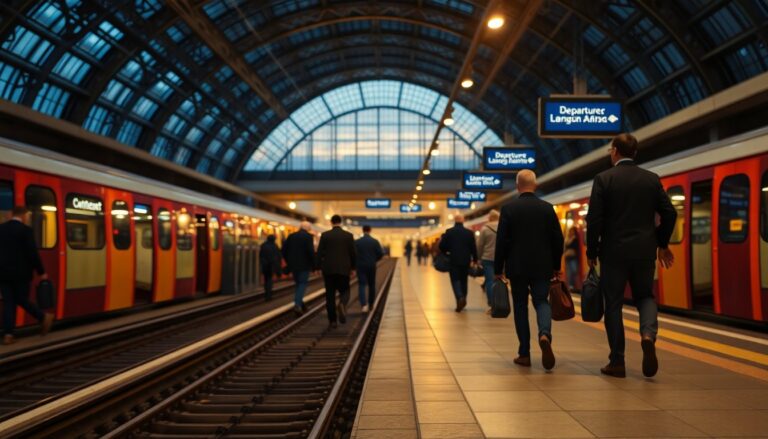
The London transport network has been thrown into disarray by a second 24-hour strike this week, with drivers who belong to the Rail, Maritime and Transport (RMT) union walking out at 12pm today. The action has left multiple routes either suspended entirely or operating with heavy delays, creating severe pressure across the system during peak travel times.
Commuters have been repeatedly advised to review their travel plans and expect services to finish early.
Transport chiefs have reported that disruption from earlier industrial action continued well into the evening yesterday despite the previous stoppage formally ending at midday, and that this morning’s build-up produced further knock-on effects ahead of the latest walkout.
London Underground management is urging the RMT to withdraw the action and sit down for negotiations to limit further impact on journeys across the capital.
Network-wide status and affected routes
By mid-afternoon the picture across the Tube was fragmented: the Circle line had no service along the whole route, while the Metropolitan line reported no trains between Baker Street and Aldgate with severe delays elsewhere.
On the Central line there was no service between White City and Liverpool Street alongside severe delays on the remainder of the line. The Piccadilly line was partly suspended on a number of stretches and experiencing severe hold-ups on sections still running, and several other key routes were facing major disruption.
Afternoon overview (approx. 4pm)
At around 4pm the formal status for many lines showed widespread problems: the Circle line remained without service; the Metropolitan line still had the same partial closure and severe delays elsewhere; the Piccadilly line had no service on specific segments including the branches serving parts of west and north-west London and Heathrow terminals, with severe delays on the rest of the line. The Bakerloo, Central, District and Jubilee lines were all reported with severe delays, while the Waterloo & City line was also running very late. Hammersmith & City and Victoria lines were showing minor delays at this time.
Earlier snapshot (approx. 2:30pm)
An earlier update at about 2:30pm gave a similar but slightly different breakdown: the Circle line had been suspended across its length; the Metropolitan line again had no service between Baker Street and Aldgate; the Piccadilly line reported no westbound service between Cockfosters and Uxbridge with severe delays elsewhere. At that point the Northern line was running with minor delays overall, while the Bakerloo, Central, District and Jubilee remained under severe strain.
Incidents, specific breakdowns and operational notes
Beyond strike-related closures, there have been isolated failures adding to the disruption. A points failure at Golders Green left the Northern line without service between Hampstead and Edgware, and other lines experienced partial suspensions such as a westbound-only outage on the Piccadilly line between Cockfosters and King’s Cross St. Pancras. The Bakerloo line swung from a relatively smooth morning to severe delays later in the day. Passengers are being urged to check the status of specific stations and platforms before travelling and to allow significant extra time when planning journeys.
Travel guidance, wider effects and next steps
Transport for London has advised people to complete their journeys by 8pm because many services that remain open will finish early, and that normal services are not expected to resume until around 7:30am on Friday, followed by a reduced service until the scheduled end of the walkout at 12pm tomorrow. The Waterloo & City line was also warned it could close by 6pm to allow operations to wind down safely.
The strike has prompted secondary changes in commuter behaviour: London’s cycle-hire usage jumped by roughly 60% yesterday as thousands switched to bikes to avoid Tube disruption, and cycle lanes and greenways were far busier than normal during peak times. Cycling groups have used the moment to press for more protected bike infrastructure to cope with sudden demand spikes and to provide a resilient alternative when public transport is reduced.
Labour relations and planned action
Management representatives have publicly appealed to the RMT to call off the action and return to talks to limit prolonged disruption. Unless the dispute over proposals, including a controversial suggestion for a four-day working week and other terms, is resolved, union members who drive trains are expected to stage four further 24-hour stoppages: two in May and two in June, currently planned for May 19, May 21, June 16 and June 18. Commuters and businesses are being advised to plan ahead for those dates and to monitor official TfL channels for live updates.
Throughout the day transport operators and passengers have adapted to a shifting operational picture. The overriding message from authorities is to check travel updates before setting out, consider alternatives where possible and expect earlier finishes to services as staff manage the consequences of the ongoing industrial action.