A clear, runner-focused guide to the London Marathon 2026 that covers pack collection, start areas, support stations and post-race recovery
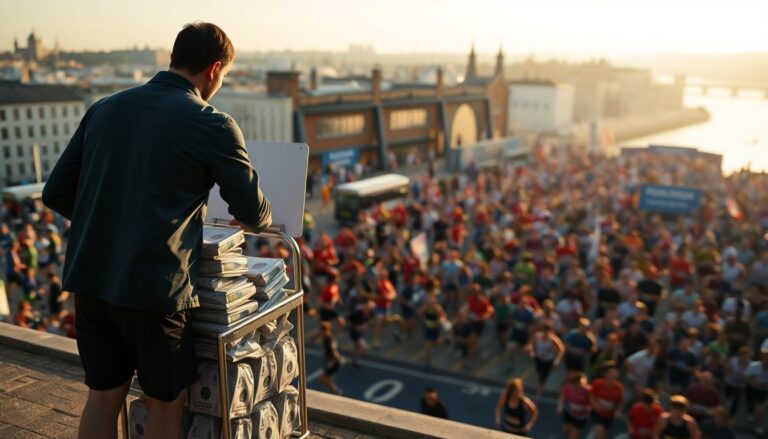
The London Marathon is one of the busiest events on the capital’s calendar and the 2026 edition expects more than 59,000 runners at the Greenwich start. With a record 1,133,813 ballot entrants for the 2026 race, logistics matter more than ever.
The event on Sunday, April 26, 2026 requires careful planning so you can concentrate on your race. This short guide pulls together the essentials: where to pick up your pack, how the start areas operate, the on-course fuel and toilet provision, and sensible post-race recovery options.
Whether you are a first-timer or a seasoned marathoner, practical details will save stress on the day. The following sections explain pre-race steps at the Running Show, morning assembly and bag drop procedures, course support like water and energy gels, plus nearby accommodation and recovery services.
Throughout the text I use definitions and highlight key terms so you can find the information you need quickly.
Before race day: bib collection and the Running Show
All runners must collect their event pack in advance from the London Marathon Running Show at the ExCeL Centre. The show remains open until 5.30pm on Saturday, April 25; there is no collection on Sunday. To pick up your pack bring the QR code sent in your official TCS London Marathon email and a valid form of ID. The nearest station is Custom House (Elizabeth line and DLR). Travelling light is advisable: navigating crowds with large suitcases will slow you down and add avoidable pre-race fatigue.
What to expect inside the Running Show
The show hosts more than 250 exhibitors including major brands such as New Balance, Shokz and Vaseline, plus talks from elite athletes and vendors supplying race fuel. You can buy official London Marathon 2026 merchandise, visit the Charity Village to collect fundraising materials, and find the Runners Wall (the wall of names) where every participant is listed. It’s a social, practical stop: most people spend one to three hours browsing, taking photos and grabbing last-minute race supplies.
Race morning: getting to the start and assembly areas
On the morning of the race you must arrive at your assigned start area in good time. There are three coloured start zones: Blue (Blackheath), Green (Greenwich Park) and Red (Greenwich Park, Charlton Way). Runners travel free on the London Underground, Overground, DLR and buses if they show their running bib to TfL staff. The elite wheelchair race begins at 08:50, the elite women at 09:05, and the elite men and mass start at 09:35; mass start waves continue until about 11:30. The official finish line on The Mall closes at 19:30, after which finish operations move to St James’s Park until midnight.
Bag drop and pre-race layers
Use the clear, official kit bag provided with your pack for the bag drop; no other bags are accepted on the transport lorries. Drop your bag at the lorry that matches your bib number in the assembly zone. Team Green runners follow a slightly different routine, with a Saturday drop-off at St James’s Park. Expect queues and arrive earlier than you think. There is a charity collection point at the start for extra layers you don’t want to carry through the miles.
On course support, finishing and recovery
The London route is well supplied. Buxton Natural Mineral Water is offered every three miles up to Mile 12, then every two miles through to Mile 24. Lucozade Sport drinks are provided at Miles 7, 15, 21 and 23, with Lucozade Sport gels at Miles 13 and 19. Toilets are available at every mile from 1 to 24, at the start assembly areas and at the finish; accessible toilets are at the start, finish and every even-numbered mile. If you rely on particular gels or drinks in training, stick to them on race day rather than trying something new.
The official Meet and Greet point after the race is at Horse Guards Parade, where large A–Z boards help reunions in heavy crowds. Phone signal can be patchy around parts of the course (notably Canary Wharf), so agree a meeting spot in advance. For immediate recovery and comfort, consider local options: hotels overlooking the route can simplify logistics, and sports facilities nearby offer targeted therapies.
Accommodation and recovery options
If you need a last-minute room, TRIBE London Canary Wharf currently lists availability from Friday, April 24 to Monday, April 27. The hotel provides breakfast choices, a 24-hour snack bar and a restaurant suitable for carb-loading or celebratory dinners. For post-race treatment, Third Space Canary Wharf offers cryotherapy sessions (typically three to five minutes), red light therapy and vibro-acoustic therapy to help ease soreness. These services can speed recovery and help with both physical and mental decompression after months of training.
If you missed the 2026 ballot, you are not alone: 1,133,813 people entered, a 36 per cent rise from the previous record of 840,318 applicants for 2026. Entry for the 2027 ballot is already open, and charity places remain a practical route in if you want to secure a spot by supporting a cause you care about.