Emergency services, estate workers and police battled grass and moorland fires from Loch Lomond to the north coast while warnings stayed in force
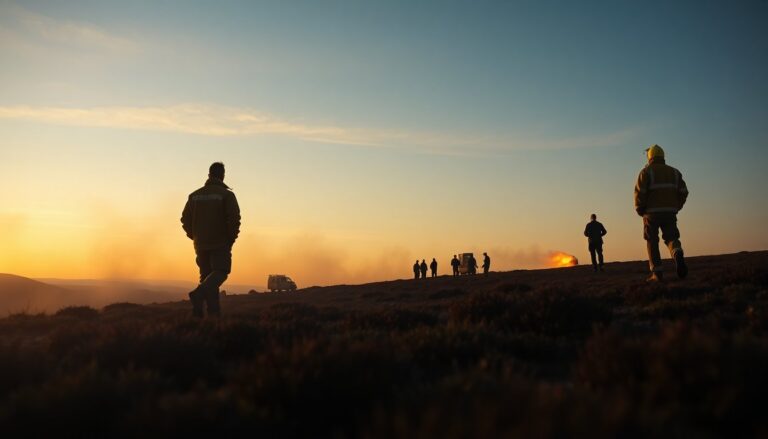
The past weekend saw a cluster of wildfire incidents across Scotland, stretching from the west coast into the Highlands and up to the north east, putting sustained pressure on the Scottish Fire and Rescue Service. Driven by a spell of dry, windy weather and a layer of older, dead vegetation, crews confronted blazes that spread quickly across grass, moor and peat areas.
Authorities had issued elevated risk messages for large parts of the country, and those alerts remained in place through the weekend to warn the public about the higher potential for rapid fire growth.
One of the most significant responses was to a blaze above Loch Lomond near Tarbet, where the first 999 call came in at 2.43pm on Saturday.
Firefighters initially sent two appliances and increased resources to four pumps plus specialist resources at the height of the incident; crews maintained a presence overnight close to the Tarbet Hotel in Arrochar while work continued into Sunday. By Sunday morning three crews and specialist teams were still active, and an appliance remained on scene as of 2.15pm on Sunday, as teams worked to prevent re-ignition in an area reported to be roughly one square kilometre in extent.
Where the fires broke out and how they were tackled
Further north, a lengthy fire at Loch Fionn near Lochinver burned along a corridor reported to be about five miles long shortly before 2pm on Saturday. The Assynt Foundation, which manages much of the local land, joined neighbouring estates and their staff, using leafblowers and other hand tools to help bring flames under control while three fire crews operated on site for more than two hours. On the Isle of Skye a grass fire near Struan was tackled by three crews from around 2.30pm on Saturday for roughly two hours, and on the north east coast three appliances attended a blaze on Ugie Beach in Peterhead that was reported just before 9pm and was extinguished about two hours later; Police Scotland said that incident is being treated as deliberate and that inquiries are continuing.
Warnings, risks and public advice
The weekend followed formal alerts from the Scottish Wildfire Forum and the fire service: an extreme risk of wildfire was in force across western Scotland from Friday through to the end of Sunday, while central and eastern areas were under a very high risk notice. These risk categories reflect conditions where dry vegetation and wind can allow even a single ember to cause significant damage. Fire and land managers urged people to avoid lighting open fires in affected zones and to treat disposable barbecues, cigarettes and agricultural machinery with caution, because a small ignition can rapidly become an extensive incident.
What the warnings mean
Risk labels such as extreme and very high are used to indicate the likelihood that outdoor fires will start and spread quickly; they combine weather, fuel dryness and landscape vulnerability. Areas with old, dried-out grasses, peatland, woodland edges and moorland are particularly susceptible, and last year thousands of hectares of peat, woodland and moor were lost to fires, including the large wildfire around Carrbridge and Dava Moor—the latter noted as one of the most severe wildfire events recorded in the UK. Those losses underscore why authorities emphasise prevention and rapid reporting.
How to report and stay safe
The operational advice is straightforward: avoid lighting or leaving unattended flames outdoors in areas under warning, and if you encounter a growing fire call 999 immediately. When contacting emergency services, give a clear location, describe the size and behaviour of the fire and note any nearby people or buildings. Deputy assistant chief officer Kenny Barbour, who heads prevention at the SFRS and chairs the Scottish Wildfire Forum, urged vigilance, asked people to share warnings with friends and visitors, and reminded communities that there is “no such thing as a harmless fire”—a single spark can have wide-ranging consequences.
Broader response and next steps
Recent operational activity has prompted a wider response from government and land managers: the Scottish government has recently launched a strategic action plan aimed at addressing the growing wildfire threat and improving prevention, response and landscape recovery. Fire services, estate teams and community volunteers will all play roles in implementing those measures, while police continue to investigate potentially deliberate incidents. In the short term, the message from emergency coordinators is clear: take the warnings seriously, follow guidance to minimise risks, and report any sign of a large outdoor fire without delay so crews can respond quickly.