FIA hints at a move toward V8 power and lighter, less complex cars while noting political and manufacturer shifts
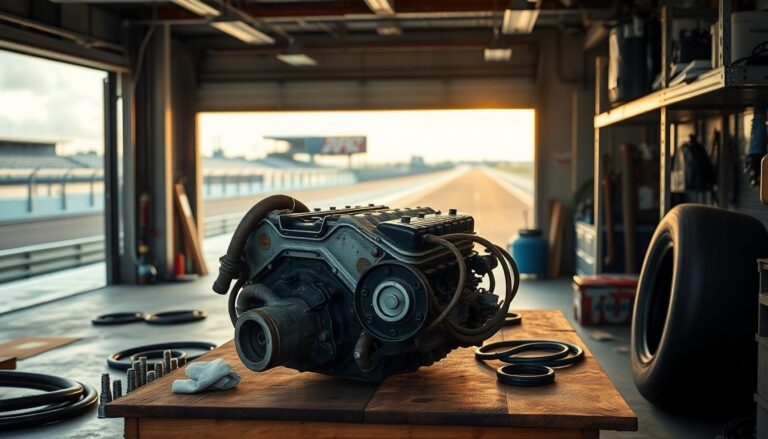
The landscape of top‑level open‑wheel racing appears to be shifting. After rule changes that redistributed power between combustion engines and batteries, officials and stakeholders are now openly discussing a rollback of heavy electrification in favor of more conventional internal combustion arrangements.
At the Miami Grand Prix — a weekend that included the sprint and the main race — the governing body’s leadership signalled a desire to bring V8 engines back to the grid within a few years while keeping only minor electrification for ancillary systems.
That conversation reflects both sporting preferences and broader political and industrial trends that have altered the assumptions used when the current regulations were written.
Why the debate over power units has resurfaced
This season began with a major technical pivot: teams were asked to run cars with a roughly equal split between a conventional engine and an onboard battery pack, making electrical power a central tactical element.
After only three Grands Prix under that model, regulators introduced tweaks aimed at reducing battery dominance, responding to criticism that the new format undercut pure driving skill, especially in qualifying. The Miami race on May 3, 2026, illustrated how those adjustments opened up competition — drivers from multiple teams led at different stages before Kimi Antonelli captured his third victory of the year for Mercedes — and fed momentum for further change.
What a V8 comeback would mean
Reintroducing larger displacement engines would be a deliberate turn toward what many fans and some drivers describe as a more visceral spectacle. The proposed shift emphasizes attributes such as the distinct sound, lower system complexity and reduced weight compared with heavier hybrid architectures. The FIA president, Mohammed Ben Sulayem, has pushed the idea beyond rhetoric, suggesting a V8 roadmap targeted for 2030 or 2031, with only a very minor electrification component retained. Teams would also continue using sustainably-sourced fuel, which the series adopted recently as part of environmental commitments, so the proposal does not abandon sustainability goals entirely.
Technical and sporting trade-offs
Formula 1 has operated since 2014 with V6 hybrid power units that blend a turbocharged internal combustion engine and electrical recovery systems; that architecture became the technical baseline for more than a decade. Increasing the electrical contribution this year made energy management and battery deployment key tactical levers during races, a development that some top drivers, including high-profile champions, have publicly criticised. A move back to bigger engines would shift the emphasis from energy strategy to throttle control and chassis balance, altering how teams design cars and how races unfold on track.
Industry pressure and political context
Regulatory direction in motorsport rarely exists in a vacuum; it is influenced by the priorities of carmakers, governments and broader market forces. When current regulations were being negotiated, many manufacturers signalled a rapid move to all‑electric road cars, which informed the push for hybrid emphasis in racing. Recently, however, political initiatives — such as tighter rules on charging infrastructure under the Trump administration and the European Union’s reconsideration of a planned ban on new internal combustion cars from 2035 — have changed that outlook. The FIA’s lead technical official, Nikolas Tombazis, has argued regulators must avoid being held “hostage” by automakers’ shifting strategies and preserve the sport’s resilience.
Path to any regulatory change
Shifting the technical rulebook is a multi‑year process that requires buy‑in from manufacturers and teams. Ben Sulayem has acknowledged that bringing V8 engines back by 2030 would likely need agreement from engine suppliers, while a 2031 timeline might allow the FIA to act with greater autonomy. That time frame recognises the five‑year cycles used to stabilise car designs and budgets. Whatever final direction is chosen, officials say they plan to balance the sport’s appeal, technical clarity and sustainability commitments while protecting Formula 1 from macroeconomic jolts that could otherwise undermine participation.