Sir Keir Starmer told leaders in Yerevan that participating in the EU's loan package for Ukraine would aid Kyiv, support British industry and improve UK-EU relations
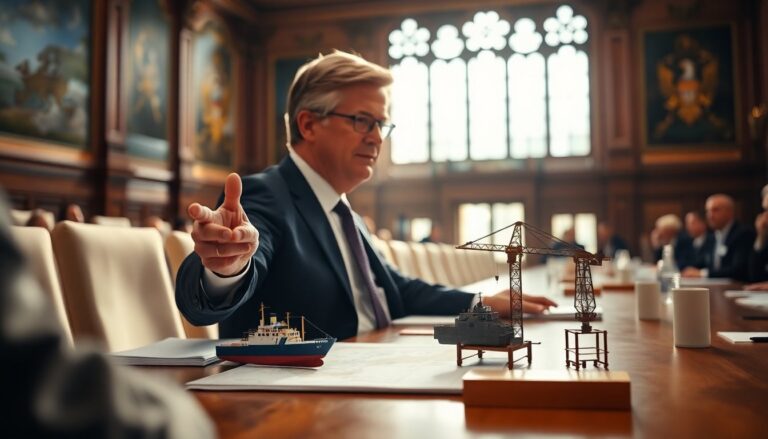
The British prime minister announced a formal bid to take part in the European Union’s large loan package for Ukraine while attending a multilateral summit in Yerevan. He framed the move as a threefold benefit: helping Kyiv obtain essential capability on the battlefield, creating jobs in the United Kingdom, and repairing strained UK-EU relations.
As he arrived at the forum, he set out the practical and political rationale for the bid and emphasised co-operation on defence and security alongside economic ties.
Starmer co-chaired a session on Ukraine with French president Emmanuel Macron and held bilateral talks with several European leaders.
The gathering included senior figures from across the continent and invited partners, reflecting the summit’s broad diplomatic reach. He used the meetings to underline that closer collaboration would help sustain Kyiv in the current phase of the war and to press his argument at home that engagement with the EU can yield concrete benefits for British businesses.
What the participation would involve
Under the proposed arrangement, the United Kingdom would contribute funds linked to the value of defence and support contracts awarded through the EU’s package. That scheme — a €90 billion loan facility — was cleared after political obstacles were removed, and it opens procurement opportunities that British defence firms could seek to win. Reported estimates suggest the UK’s financial commitment could reach up to £400 million, drawn from an existing ringfenced £3 billion for Ukraine, with precise payments set by contract values.
Mechanics and definitions
Officials describe the initiative as a blend of financial support and procurement: the EU provides loan backing while partner countries can contribute to allow their firms to compete. The summit itself was convened under the banner of the EPC, an umbrella for European leaders to coordinate on security and political matters. Starmer framed participation as delivering both material capability to Ukraine and market opportunities that translate into economic benefits back in the UK.
Strategic and economic implications
Starmer argued that participation is not only an act of solidarity with Ukraine but also a pragmatic industrial policy. By enabling British suppliers to bid for contracts, the plan could support jobs across the defence supply chain and maintain the United Kingdom’s role as a source of military equipment for Kyiv. He also said the move would foster improved UK-EU relations, which he described as important for cooperation on defence, security and the economy more broadly.
Opportunities for industry
For manufacturers and contractors, the scheme represents potential long-term orders and upgrade programmes. Participation could mean competitive tendering on projects financed under the loan envelope, creating steady demand for British expertise in areas such as vehicle systems, munitions and integrated logistical support. The government signalled that any payments would be taken from the existing ringfenced £3 billion, linking foreign policy priorities to domestic industrial strategy through tangible procurement pathways.
Diplomatic context and domestic politics
The UK’s application comes as Brussels and London begin talks on how third countries might access the EU’s facility and what reciprocal arrangements would be expected. Media reporting has suggested Brussels might want a substantial annual contribution — reported at about £1 billion a year — as a prerequisite for broader market access discussions, a claim the government said it would not comment on. The issue is being negotiated alongside other aspects of the UK-EU relationship.
Political sensitivities
At home, the approach forms part of the prime minister’s wider argument for closer economic links with the continent, a stance that has prompted criticism from some Conservative figures and smaller parties. The government also plans measures in forthcoming legislative business to align certain national rules with parts of the EU single market; critics warn these moves could bypass parliamentary scrutiny. Starmer set out the case that such cooperation is a route to economic recovery and enhanced security collaboration.
Beyond the loan discussions, Downing Street said further sanctions on certain Russian companies would be imposed, aimed at disrupting supply chains that support Moscow’s military effort. The prime minister and his EU counterparts stressed that coordination on both military assistance and economic pressure remains central to supporting Ukraine while managing the political and industrial consequences for participating nations. This multipart strategy underlines the interconnected nature of defence, diplomacy and domestic economic policy.