Learn why a faulty wiper can be treated as a dangerous vehicle defect and what simple checks prevent penalties
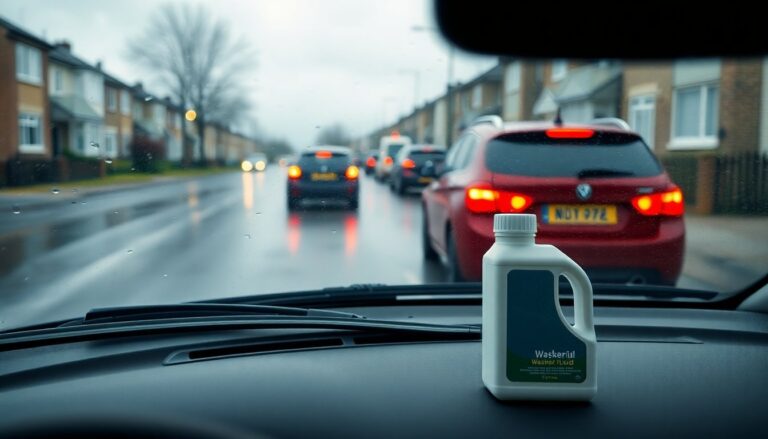
The humble windscreen wiper is easy to forget until the first heavy shower catches you out. Yet UK rules require every vehicle to be kept roadworthy, and that obligation specifically covers the windscreen wipers and washer system. Official guidance states these components must be maintained in efficient working order whenever the vehicle is used on public roads, and failure to do so has both safety and legal consequences.
Roadside organisations such as the RAC and the AA have repeatedly warned drivers that defective wipers and empty washer bottles are among the most common avoidable faults. When visibility deteriorates in heavy rain, what starts as a small streak or blocked jet can rapidly become a hazardous situation.
The Highway Code Rule 229 underlines the duty to see clearly before and while driving, a simple standard that many motorists neglect until a breakdown or near miss makes the problem obvious.
What the law actually requires
Legal responsibility for vehicle condition sits within the Road Vehicles (Construction and Use) Regulations 1986, notably Regulation 34.
That rule obliges drivers and owners to keep equipment functioning correctly; in practice this means ensuring wiper blades, motors, washer jets and fluid are fit for purpose each time the vehicle is driven. The phrase maintained in efficient working order is important because it applies continuously, not only at an annual test such as an MOT. Inspecting and repairing these items is therefore a routine legal expectation rather than a one-off requirement.
Risks and penalties for ignoring faults
When a defect is judged to be serious — for example driving through torrential rain with a broken motor or completely blocked washer jets — it can be treated as driving a vehicle in a dangerous condition. That classification carries significant repercussions: discretionary driving disqualification, penalty points on your licence and fines that can reach £2,500, depending on the circumstances. The RAC highlights that courts may impose harsher penalties where the impaired visibility materially increases the risk of a collision or demonstrates reckless disregard for safety.
Practical checks every driver should carry out
Simple pre-journey checks reduce the chance of becoming one of the statistics for avoidable breakdowns. Regularly inspect the wiper blades for tears, glazing or missing rubber; if you see streaking, chatter or missed areas, replace the blade. Verify the washer fluid level and test the jets to ensure they spray correctly. These tasks take minutes yet address the most frequent faults noted during roadside assist calls and vehicle inspections.
Preparing for wet weather
Before setting off in wet or cold conditions, top up reservoir fluid with a winter-grade washer if needed and clear any debris that could block jets. Confirm the demister and heater systems work to prevent internal fogging and ensure mirrors and windows are clean. Carrying a small spare bottle of washer fluid and a replacement pair of wiper blades for longer trips is sensible; these items are inexpensive but can be decisive when visibility is reduced.
When a fault becomes serious
If you discover a broken wiper motor or a persistent electrical fault, avoid driving in heavy rain until the issue is repaired. The risk is not only a roadside breakdown but potential legal action if an officer or insurer judges the vehicle was unsafe to operate. Prompt attention to repairs protects you from fines, preserves your licence and, crucially, reduces the chance of causing or being involved in an accident.
Final considerations
Keeping the windscreen wipers and washer system in good order is both a practical safety measure and a legal obligation. Regular, simple maintenance prevents many common faults and removes the risk of heavy penalties for operating an unsafe vehicle. Treating these checks as part of routine vehicle care helps ensure that when the rain arrives you remain legal, visible and safe on the road.