British forces have successfully intercepted a Russian shadow fleet vessel in the Channel, marking a significant blow to Russia's sanctioned oil trade.
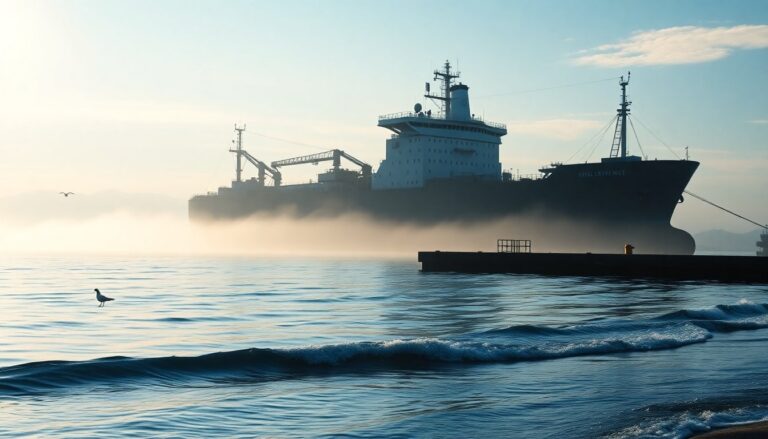
The early hours of Sunday morning saw a dramatic turn of events in the Channel as British armed forces intercepted a Russian shadow fleet vessel. This operation, led by Royal Marine commandos and the National Crime Agency (NCA), resulted in the capture of the vessel’s captain, Ajay Pant, who is set to appear in Southampton Magistrates Court.
The Smyrtos, a tanker carrying oil, was seized in the first UK-led operation of its kind. The vessel is now anchored off Weymouth, in Dorset, where it is being closely monitored. The 24 crew members, hailing from Georgia and India, remain on board the ship.
The Significance of the Shadow Fleet
Russia’s shadow fleet, a network of vessels operating under obscure ownership, is responsible for carrying 75% of the country’s sanctioned oil. Despite the UK’s efforts to sanction more than 500 of the estimated 700 vessels in this fleet, the operation to intercept the Smyrtos marks a significant step in enforcing international sanctions.
The shadow fleet’s purpose is to circumvent international sanctions by operating under ambiguous ownership and registration. This makes it difficult for authorities to track and intercept these vessels, which are crucial in maintaining the flow of sanctioned oil from Russia to third countries.
The Operation and Its Implications
The operation to seize the Smyrtos involved a coordinated effort between Royal Marine commandos and NCA officers. This successful interception is seen as a significant blow to Russia’s efforts to bypass sanctions. The captain, Ajay Pant, faces charges of contravening sanctions and directly or indirectly supplying prohibited oil or oil products from Russia to a third country during June 2026.
In another operation on June 1, the UK intercepted a sanctioned oil tanker suspected of being part of the shadow fleet, with support from British forces. This recent operation further underscores the UK’s commitment to enforcing sanctions and disrupting Russia’s sanctioned oil trade.
Speaking on Sky News, Lisa Nandy highlighted the importance of this operation, stating, ‘This morning, we’ve been able to successfully do that. I want to pay tribute to all the Navy officers involved in that; it is no small achievement, but it is also a significant blow to the Russians.‘
The interception of the Smyrtos is not just a legal victory but also a strategic one. It sends a clear message to other vessels in the shadow fleet that they are not beyond the reach of international law. This operation could potentially deter other vessels from attempting to bypass sanctions, thereby strengthening the effectiveness of international sanctions against Russia.
The Legal and Strategic Impact
The legal implications of this operation are far-reaching. The capture of the Smyrtos and the subsequent charges against its captain set a precedent for future operations against sanctioned vessels. It demonstrates the UK’s willingness to take decisive action to enforce sanctions and disrupt illegal trade.
Strategically, this operation highlights the importance of international cooperation in enforcing sanctions. The shadow fleet operates across borders, making it a global issue that requires a coordinated response. The UK’s success in intercepting the Smyrtos could encourage other countries to take similar actions, thereby strengthening the global effort to enforce sanctions against Russia.
As the world continues to grapple with the consequences of Russia’s actions, operations like the interception of the Smyrtos serve as a reminder of the importance of international cooperation and the rule of law. The successful capture of this vessel is a testament to the dedication and skill of the British forces involved and a significant step in the ongoing effort to enforce international sanctions.