Discover the social challenges and distrust plaguing Grangetown and South Bank as Middlesbrough grapples with a rise in organized crime and violence.
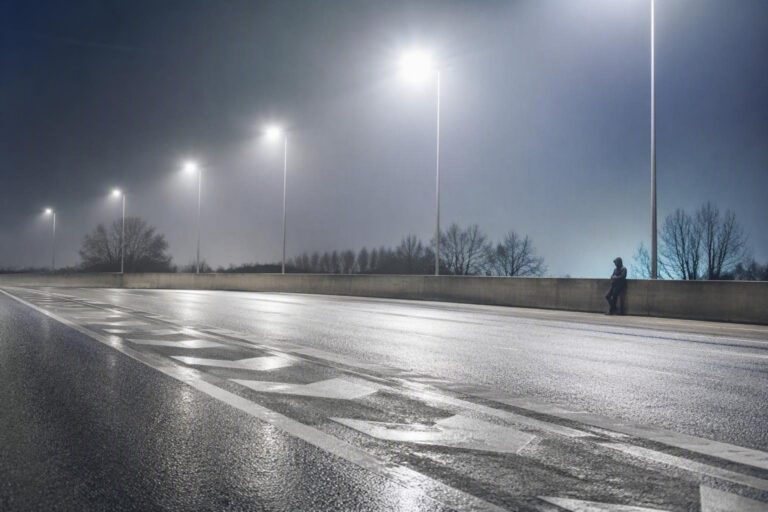
Grangetown near Middlesbrough, remained under a significant police operation after two officers and five young men died in a crash on the A66 on Saturday 22 August, intensifying local fears over organised crime. The head-on collision involved a Volkswagen Passat going the wrong way during a police pursuit and a marked police vehicle, killing PC Matthew Blades, 37, PC Tom Clough, 38, and all five occupants of the Passat: Michael Cahill, 23, Jakub Matusiak, 23, Makai Saddington, 18, and Theo Rae and Cole Worthy, both 17.
The aftermath has heightened distrust in Grangetown and nearby South Bank, communities already grappling with deprivation and disorder. Residents cited growing intimidation, while Cleveland Police continued targeted operations against suspected organised crime, asserting a sustained presence following the crash and subsequent incidents.
A66 crash: Seven dead and a community on edge
Investigators stated the pursuit began before the collision, and the Passat’s wrong-way travel culminated in the fatal impact with the police car. Four of the young men had amassed 30 convictions between them for offenses including car theft, drug possession, and assaulting police officers.
The chain of events was believed to have started eight miles away in Acklam, where a car was rammed into the bay window of the home of Gye Worthy, father of Cole Worthy, on the same night that Cole died, leaving neighbors fearful of reprisals for speaking out.
Locals voiced anger and skepticism toward law enforcement as tension rose. “They’re saying there are gangs, but there are no gangs,” said one quad bike rider. “It’s not London, mate. Do you know what I mean?” Another resident, describing the climate of silence after the Acklam ramming, said: “Well, they should be scared, shouldn’t they, that something’s going to happen to their property if they say anything or get involved. So we don’t.”
Vehicle rammings and fire in Grangetown under investigation
The Acklam attack formed part of a wider pattern of violence involving vehicles as weapons. In May, a tractor was driven into a house on Priory Road, and since the A66 crash, police have investigated at least two further rammings. Detectives linked their broader inquiry to a caravan fire on Attlee Road in Grangetown citing potential connections within wider organised crime networks under scrutiny across the area.
Two men were later arrested on suspicion of murder following the Grangetown fire. Police did not rule out links to wider organised crime but said the blaze was not currently being linked to the A66 crash. Another house was rammed on a Thursday morning in South Bank, Middlesbrough, adding to a sequence of tit-for-tat incidents that residents described as designed to intimidate and punish. One nearby resident said: “It’s getting worse. They’re always balaclava-ed up as well, do you know what I mean?”
Distrust in Grangetown and South Bank amid policing push
Daily life in Grangetown and South Bank reflected a community under strain. On open fields, teenagers tended ponies or rode electric scooters past boarded-up homes, with residents expressing fear of being targeted. Drug markets were cited repeatedly by locals as the underlying driver of violence. As one resident put it: “It can’t be anything else. Why would you be like you are unless it was drugs?” The visible presence of masked youths deepened the sense of lawlessness for families trying to keep children away from trouble.
Trust in Cleveland Police remained fragile. “No. I’ve never needed the police in my life. I’d rather die than ring the police,” a 17-year-old said when asked if he would call officers if threatened by someone with a knife. Cleveland’s Chief Constable Victoria Fuller said: “Yes, there are a small minority of people in the Grangetown area who blight those communities. But we will continue relentlessly to serve our communities.” The force reported 87 arrests for offenses linked to organised crime gangs and stated that 16 people had been jailed over the past two years as part of ongoing action.
By evening, the tension was tangible. A quad bike circled a field while a woman who had recently moved to the area asked for a car to be moved from outside her home, fearing it could be targeted. Her focus remained on her children’s prospects amid the persistent signs of disorder. “I’m terrified my son will end up like them, he’s only 10, I don’t want him to grow up like that,” she said, gesturing towards “the lads with balaclavas” tearing up the grass, as police maintained patrols and inquiries linked to the Grangetown incidents continued.