

Retired U.S. military leaders petition the Pentagon to scrap a planned livestream of Nidal Hasan’s execution, warning it could turn the shooter into a martyr.
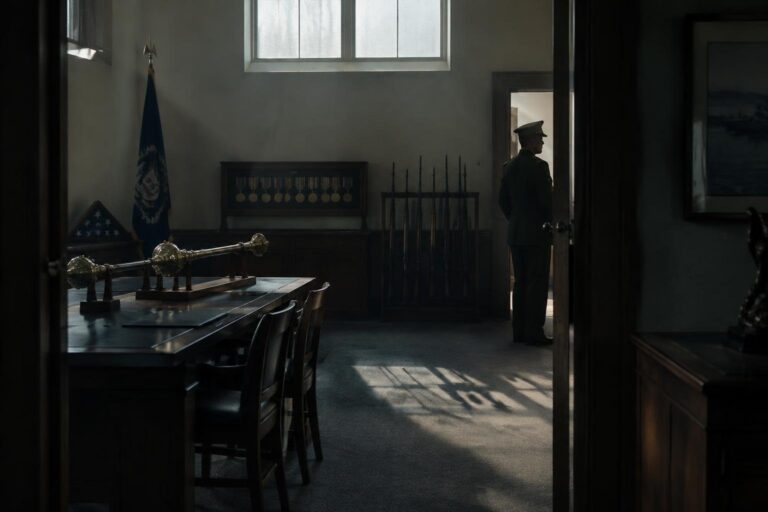
The Department of Defense announced that the execution of former Army psychiatrist Nidal Hasan – convicted for the 2009 Fort Hood mass shooting – will be carried out by firing squad on December 3 and broadcast live to the public. The proposal immediately sparked a wave of criticism from political leaders, religious figures and, most prominently, a group of senior retired officers.
In a meticulously crafted open letter, seventy-two retired generals, admirals and former judge advocates called on the President, Congress and the American people to halt the livestream, arguing that the act would violate constitutional protections and weaponise the execution for propaganda.
Open letter signed by 72 retired senior officers
The petition was signed by 45 former generals, 12 admirals and several ex-judge advocates general, representing a broad cross-section of the U.S. armed forces. Among the signatories were Maj. Gen.
Tony Taguba who led the Army’s Abu Ghraib investigation, Col. Moe Davis a former Guantanamo Bay prosecutor, Maj. Gen. Charles Bolden former NASA administrator, and Lt. Gen. Claudia Kennedy the Army’s first three-star female general.
Core arguments against a public broadcast
The letter makes three central claims. First, a live transmission would breach the cruel and unusual punishment clause of the U.S. Constitution, turning a solemn death penalty into a “carnival for the enjoyment of voyeurs and spectators.” Second, the officers warned that broadcasting the execution would debases human dignity and tarnish the honor of the military institution that administers capital punishment. Third, they contend the spectacle would enable hostile foreign actors to portray Hasan as a martyr, thereby fueling anti-American sentiment and endangering service members worldwide.
White House and congressional response
President Donald Trump publicly expressed “absolute” support for the livestream plan last week. However, senior administration officials have reportedly begun to temper that enthusiasm, and as of the latest reports no final decision had been made. Senators and representatives from both parties, along with numerous religious leaders, have condemned the idea, calling it a dangerous precedent and a misuse of governmental power.
Lawmakers argue that the broadcast could set a modern precedent reminiscent of early-20th-century public executions, an outcome at odds with contemporary standards of justice. The bipartisan criticism underscores a broader concern that the government’s attempt to showcase the execution could backfire, granting extremist groups a propaganda tool.
The Hasan case and the significance of a public execution
Hasan’s 2009 assault at Fort Hood resulted in the deaths of 13 unarmed soldiers and injured many others, marking the deadliest non-combat attack on a U.S. military installation. During his trial, Hasan claimed he acted to protect Muslims and Taliban forces in Afghanistan from American intervention. He survived the attack, was subsequently apprehended, and now relies on a wheelchair.
If carried out as announced, the December 3 execution would be the first public execution in the United States in nearly a century. The Pentagon’s choice of a firing squad—a method rarely used since the 1990s—adds another layer of historical weight to the debate. The retired officers stress that while they do not oppose the death penalty itself, the medium of delivery must respect constitutional norms and the nation’s moral standing.
As the deadline approaches, the fate of the livestream hangs in the balance, with the retired military community urging policymakers to prioritize dignity, security and the rule of law over sensationalism.
