A detailed look at the policing plan for 16 May: numbers, technology and legal steps aimed at preventing clashes between Unite the Kingdom and Nakba Day protests
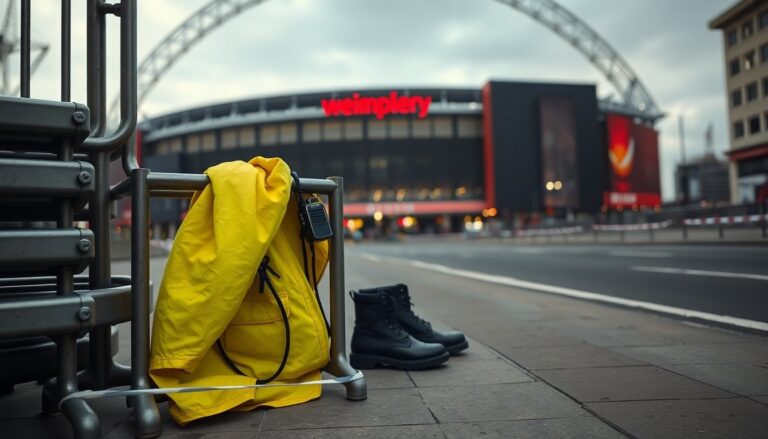
London is set to host two major demonstrations alongside a high-profile sporting event, and policing chiefs have described the response as one of the most significant public order operations in recent years. On 16 May officers will manage marches linked to Unite the Kingdom and Nakba Day while also policing the FA Cup Final at Wembley.
Authorities expect tens of thousands of people to be involved and have mobilised a large workforce and specialist resources. The operation has been costed at £4.5 million, and officials say this reflects the complexity and risk presented by the convergence of events.
The national and local political leadership visited a Metropolitan Police command centre in Lambeth to review preparations. Prime Minister Sir Keir Starmer, Mayor of London Sir Sadiq Khan and Met Commissioner Sir Mark Rowley were briefed on tactics, community concerns and contingency plans.
Police have underlined that law-abiding protesters will be protected, while those seeking to intimidate, incite violence or spread hate speech will face enforcement. The policing plan has attracted attention for its scale and for the use of surveillance tools being deployed in the crowds.
Planned routes, expected turnout and public safety priorities
Organisers of the two rival demonstrations have agreed march locations and times, but police stress it is their responsibility to keep the groups apart. The Nakba Day march is due to form on Exhibition Road and follow a route towards Waterloo Place via Brompton Road and Piccadilly, finishing with a rally and speeches. The Unite the Kingdom march is scheduled to form on Kingsway and head to Whitehall via Aldwych and the Strand, concluding with a rally in Parliament Square. Authorities have estimated turnout in the tens of thousands, with figures cited during briefings indicating around 50,000 people for the Unite rally and 30,000 for Nakba Day, though organisers and police estimates can differ.
Policing measures and specialist resources
The operation will involve approximately 4,000 officers across London, including 660 personnel drafted in from other forces. Officers will work alongside mounted units, dog teams, helicopter support, drone teams and armoured vehicles kept as a contingency. Commanders describe a firm and assertive application of the powers available under public order legislation, including conditions on assembly, dispersal orders and enhanced search powers. The plan also factors in the increased terrorism threat level, recent hate crime trends and the additional movement of football supporters travelling for the FA Cup Final.
Live facial recognition and surveillance
For the first time in a protest policing operation, the Met will use live facial recognition cameras in parts of central London where large numbers of attendees are expected to gather. Drones and real-time CCTV monitoring will be used to watch routes for “flashes or clashes” and to support rapid policing responses. The decision to deploy biometric technology has been met with scrutiny: the Biometrics and Surveillance Camera Commissioner has warned such systems are not infallible and could provoke legal challenges. Police officials say the tools are intended to identify wanted individuals and to protect communities, but they acknowledge the use of such technology brings legal and ethical scrutiny.
Operational scale and logistics
Beyond visible patrols, the plan includes dedicated investigative units to follow up offences, specialist traffic teams to manage movement across the city, and protective equipment available to public order officers. Commanders have emphasised strict conditions on form-up locations, routes and rally end times. Speakers have been placed under new conditions making organisers legally responsible for the content and behaviour of invited speakers — a first in recent protest management — and breaching those conditions could lead to arrests for organisers and speakers alike.
Legal context, prosecutions and political steps
The Crown Prosecution Service has issued guidance asking prosecutors to consider whether placards, chants or symbols filmed and shared on social media could meet the threshold for stirring up hatred under the Public Order Act 1986. The guidance reflects what prosecutors described as a change in the international and domestic context and includes consideration of the online audience reached when material is posted. The Director of Public Prosecutions said the aim is not to curtail legitimate protest but to act where rhetoric crosses into criminality; offences of stirring up hatred can attract sentences of up to seven years.
Border controls and banned visitors
In parallel with policing activity, the Home Office has blocked entry to a number of foreign nationals judged likely to inflame tensions; the Government said a total of 11 people were refused permission to travel. Named individuals reported as being barred include political activists and commentators from several European countries. Officials argue such steps reduce the chance of imported extremism or provocation, while critics raise concerns about free expression and the criteria for denial of entry.
Authorities say the operation aims to balance the right to lawful protest with the need to protect vulnerable communities from intimidation and hate-driven criminality. As the city prepares for a concentrated day of events on 16 May, residents and visitors are being urged to plan journeys carefully, follow public guidance and cooperate with officers working to maintain safety across London.