A looming State Opening raises fresh concerns after several ministers resigned and dozens of MPs demanded Keir Starmer step aside, prompting warnings from the Palace
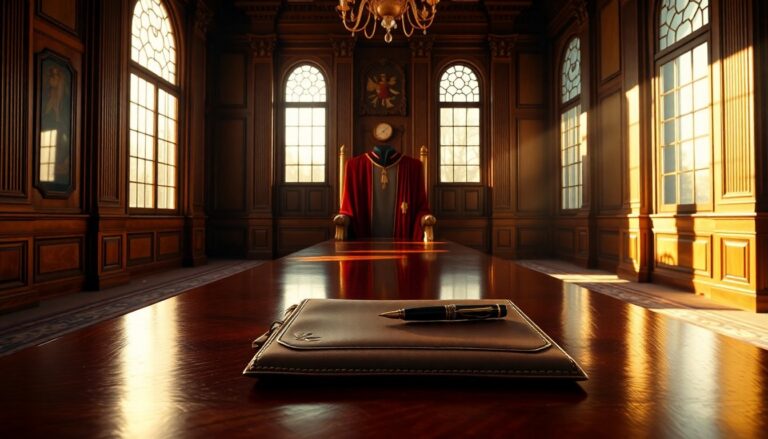
The United Kingdom entered a tense political interlude as the State Opening of Parliament approaches, with Buckingham Palace reportedly anxious about the monarch being drawn into an internal party dispute. Palace aides are said to have spoken to No.10 to underline that the King should remain above party infighting as plans for the King’s Speech proceed.
Against this backdrop, the Prime Minister, Keir starmer, sought to present continuity by carrying out engagements and meetings while his authority was being openly questioned by colleagues.
The immediate crisis has a clear public face: multiple frontbench departures and a rising chorus of backbench MPs asking the leader to go.
In quick succession four ministers — Jess Phillips, Alex Davies-Jones, Miatta Fahnbulleh and Zubir Ahmed — announced they could no longer serve under the current leadership. At the same time, a number of ministerial aides resigned and more than eighty MPs publicly called for the Prime Minister to consider his position, a figure that observers say is edging close to a much larger threshold of dissent.
Palace concerns and the State Opening
With the State Opening scheduled for tomorrow, the Palace is reported to have asked that the sovereign not be pulled into party disputes. The focus is the King’s Speech, a constitutional moment where the monarch reads a government programme on behalf of ministers. Palace sources emphasised that they do not wish to be part of the rift, warning that any use of royal ceremony as the backdrop for an internal Labour struggle could cause embarrassment and constitutional awkwardness. Government spokespeople insist the programme of legislation for the coming session is being finalised and that the ceremony will go ahead.
Resignations, revolt and the Cabinet atmosphere
The departures have intensified pressure on the Prime Minister and exposed deep division within the parliamentary party. Several ministers and aides signalled their discontent by standing down, and members of the parliamentary party have been vocal in calling for change. In Cabinet, a tense tone was reported: ministers urged unity but privately some urged the leader to consider a graceful exit after poor local election results. Deputy Prime Minister David Lammy appealed for calm, urging critics to step back and asking challengers to state their alternatives clearly rather than simply demand resignation.
Who is poised to challenge?
Attention has focused on Wes Streeting, the Health Secretary, who is seen by some as a potential contender, and on figures such as Ed Miliband and Andy Burnham, who have also been floated in media discussion. Reports suggest Mr Streeting met with the Prime Minister ahead of the speech; those briefings framed his actions as a potential leadership move that might now be scaled back. The mechanics of any contest are governed by party rules: a formal challenge requires a candidate to secure nominations from a specified number of MPs — a procedural hurdle often cited in debates about timing and strategy. Some within the party are exploring slower routes back to contention, including by-election strategies for prominent figures outside the Commons.
Political and market consequences
The turmoil spilled beyond Westminster into markets and party events. Borrowing costs rose as investors reacted to the prospect of abrupt political change and a potential shift in policy direction. High-profile figures pulled back from planned appearances and meetings were rearranged; economists and strategists flagged the risk of instability affecting economic confidence. In contrast, the Prime Minister continued to carry out public duties, including meeting apprentices, in a bid to signal that the machinery of government is still functioning despite the upheaval.
What happens next?
The immediate path forward depends on several moving parts: whether a challenger can formally crystallise support, the timeline factional groups agree on for any transition, and how rapidly a leading alternative can be confirmed. Some within Labour urge a quick resolution to avoid prolonged damage, while others advocate delay so contenders such as the Manchester mayor can return to Parliament via a by-election. The party faces a strategic choice between a contested, fast-moving process that could favour centrist figures and a slower, negotiated route that might allow left-leaning candidates to mobilise. Meanwhile, the Palace’s request for distance from the dispute adds a constitutional dimension to what is already a complex political moment.