

Learn how a practical course in sport and physical activity prepares you for coaching, fitness careers and higher education with hands-on experience and industry qualifications
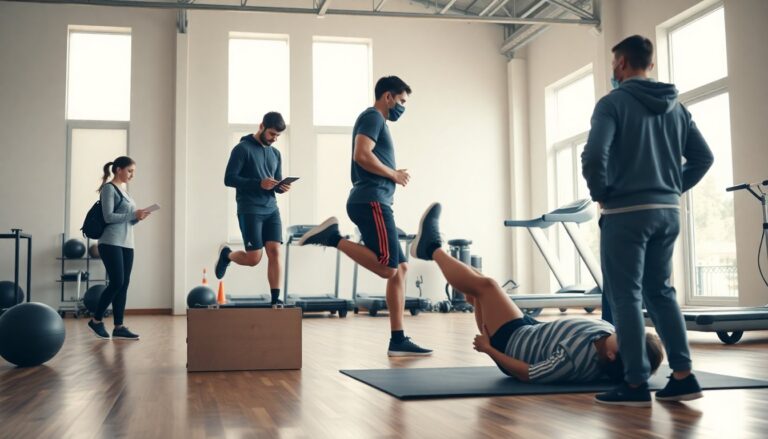
Sport and physical activity: a practical pathway into the sports sector
The Sport and Physical Activity course prepares young people for careers across the sports sector, including roles as coaches, teachers, therapists and fitness professionals. The programme blends classroom-based theory with extensive practical work so graduates leave with both knowledge and demonstrable skills.
It emphasises industry engagement and workplace-style projects that let learners apply learning in authentic settings. Taught at a college with strong sporting facilities, the course develops coaching, leadership and instructional abilities alongside technical expertise.
The curriculum targets vocational readiness.
Practical assessments mirror real-world tasks used by employers and community organisations. Industry partners contribute to project briefs and placement opportunities, providing direct exposure to sector standards and expectations. Students therefore build a portfolio of evidence useful for job applications and professional registration.
Assessment combines observed practical performance, written assignments and reflective practice. This mix evaluates technical competence, pedagogical skill and professional behaviours. The course also supports transferable skills such as communication, teamwork and risk management, which are valued across sports and allied health roles.
Prospective applicants should expect a balance of on-site training and classroom study, with opportunities for workplace placements. The course suits learners who want tangible, hands-on experience and a direct route into employment or further specialist study within the sports industry.
The qualification is offered in two sizes to match different career and study ambitions. The Extended Diploma is equivalent to three A-levels. The Extended Certificate corresponds to one A-level. Both follow the OCR exam-board specification and combine assessed units, written exams and project-based assignments. Assessment tasks are designed to reflect professional workplace demands.
The course requires sustained practical engagement and regular reflective work. Students must manage their time and records carefully to complete realistic workplace tasks. The curriculum emphasises applied skills, portfolio development and evidence of practical competence.
What you will learn and how it is assessed
The curriculum builds directly on the previously described emphasis on applied skills, portfolio development and practical competence. It equips graduates with a versatile technical and professional skill set relevant to entry-level roles across community, club and commercial sport settings.
Core learning areas include coaching, sports leadership, fitness programming, health promotion and facility management. Teaching blends practical workshops with vocational assignments and work-related projects designed to require learners to evaluate, justify and analyse sporting scenarios.
Assessment combines formative and summative methods. Students face formal examinations, vocational assignments and workplace projects that contribute to a verified evidence portfolio. A mandatory two-week work placement in the sports sector consolidates practical techniques and produces documented employability outcomes sought by local clubs and leisure providers.
Skills you will develop
Graduates can expect to demonstrate:
- practical coaching techniques and session planning;
- leadership and team management in sport settings;
- design and delivery of fitness programmes tailored to client needs;
- health-promotion strategies and community engagement;
- facility operations, risk assessment and basic resource management;
- critical analysis, reflective practice and evidence-based decision making;
- professional communication, client liaison and employer-facing documentation.
The course structure prioritises measurable outcomes and transferable skills. Employers typically value the combination of assessed technical competence and documented workplace experience when recruiting for junior roles in sport and leisure.
Participants develop both technical and transferable skills through guided practical work and reflective review. They practise session planning, behaviour management, performance analysis and client-centred training in real settings. The programme also cultivates teamwork, clear communication and time management—competencies valued by employers beyond the sport sector. Learners use reflective practice to set measurable goals and prepare progression plans. Many move into higher education or secure paid roles directly because the qualification provides recognised, hands-on coaching experience and documented workplace evidence that recruiters regard highly.
Extra-curricular qualifications and enrichment
Students can complement their main qualification with short courses and certifications that increase employability. Typical options include first aid, safeguarding, emergency response, and sport-specific technical awards. These certificates broaden practical capability and meet regulatory requirements for many entry-level roles.
Enrichment activities also give learners workplace-ready evidence. Volunteering, internships and coached placements allow candidates to demonstrate applied skills under supervision. Employers routinely prefer applicants who can show consistent, verifiable experience alongside formal assessment outcomes.
Practical advice for learners: prioritise accredited courses, keep clear records of supervised hours, and link enrichment activities to specific career goals. Employers and higher education admissions panels respond positively to concise, documented progression plans that show both competence and reflective development.
Building on documented progression plans, the college also offers optional vocational certifications that increase employability while students complete their main qualification.
Students may train to become a personal trainer, sports coach or lifeguard as part of their timetable. These courses are typically scheduled for one teaching period per week and run alongside core study units.
The personal trainer route leads to fitness instructor status after the first year and to full personal trainer certification after the second year. The college charges £275 for the college-delivered personal trainer course. That fee is substantially lower than equivalent private provision, which commonly ranges from £1,500 to £2,500.
Employers often treat these awards as practical evidence of readiness for work. They supply certified skills that complement academic assessment and support progression into employment or higher study.
Coaching, lifesaving and awards
Building on certified practical experience, the programme offers vocational qualifications that broaden immediate work options and support progression to higher study. Coaching certificates include a Level 2 community sports leadership award and a Level 2 multi-skills coaching certificate, both of which enable independent coaching in schools and local clubs. Lifesaving and first aid qualifications prepare learners for part-time roles at leisure centres and other public facilities.
Enrichment pathways such as the Duke of Edinburgh Award (Silver and Gold), the Higher Sports Leader Award and additional First Aid training develop resilience, leadership and employability. These credentials are recognised by universities and employers and strengthen applications for sport-related degrees, apprenticeships and entry-level jobs in community sport.
Typical destinations include coaching and officiating roles, lifeguard and facility support positions, and progression to specialist study in sport science, physical education or sports management. Employers and admissions tutors value the combination of accredited skills and demonstrated leadership when assessing readiness for work or further study.
Career pathways and outcomes
Graduates enter a broad range of roles across the sports and fitness sectors or continue to higher study. Typical pathways include fitness and personal training, sports therapy, teaching, facility management, health promotion and sports development. Employers and admissions tutors value the combination of accredited skills and demonstrated leadership when assessing readiness for work or further study.
The course prepares learners for these paths by ensuring they leave with practical coaching experience and industry-recognised qualifications. Students complete placements that expose them to real-world settings and client groups. They also compile a professional portfolio that documents achievements, certifications and reflective evaluations of their practice.
These elements support immediate employment and onward progression to university-level programmes. The emphasis on applied experience and verifiable credentials gives graduates clear evidence of competence for recruiters and admissions panels.
The emphasis on applied experience and verifiable credentials gives graduates clear evidence of competence for recruiters and admissions panels. Alumni trajectories illustrate that pathway in practice. One student who joined from a local school completed the Extended Diploma with top marks and progressed to study Sports Therapy at the University of Chichester. Another learner combined playing and officiating with a Cambridge Technical Level 3 Extended Diploma, secured a coaching apprenticeship and now delivers PE lessons in primary schools following a successful placement. These outcomes demonstrate consistently high progression into employment and higher education.
Facilities, work experience and contact
The programme pairs classroom learning with practical access to sports facilities, supervised placements and employer-led projects. Work placements take place across community clubs, schools and regional sports organisations, providing documented hours and assessment that strengthen CVs and UCAS applications. Applied experience is logged and verified, creating a clear record for employers and universities.
Prospective students and referring schools may request further details or arrange a visit through the college admissions office. Information typically covers facility tours, placement arrangements and entry criteria, enabling informed decisions about progression routes.
Facilities, placements and departmental support
The college backs its provision with a modern sports centre, gymnasium and swimming pool for curriculum and extra-curricular use. Work experience placements arranged through the department give students direct exposure to coaching, fitness instruction and sports administration. Information typically covers facility tours, placement arrangements and entry criteria, enabling informed decisions about progression routes.
The vocational Sport and Physical Activity course combines applied learning, industry qualifications and practical placements. Prospective students seeking guidance on entry requirements, timetable structure or enrichment options may contact the Head of Department, Andrew Fields, who can provide tailored advice and support for progression choices.
