

GAA rounders has moved beyond school playgrounds to become a vibrant adult community sport, with men’s, women’s and mixed teams travelling the country for weekend championships.
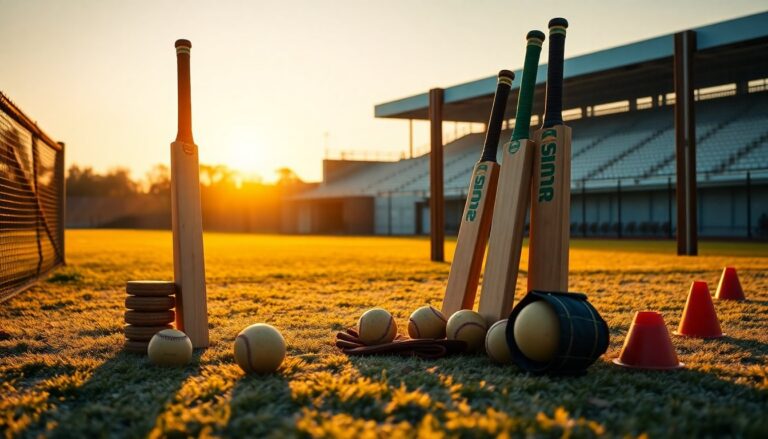
The game once mainly associated with primary school breaks has quietly reinvented itself. What many remember as a simple playground activity is now an organised, competitive pastime known as GAA Rounders. Over recent years the sport has attracted an expanding base of adult players who meet on summer weekends for county and national competitions, signalling a shift from informal play to structured community sport.
This article outlines how GAA Rounders has progressed, who plays, and why it matters for local communities. You will learn about the sport’s appeal, the scale of participation, and how clubs across Ireland coordinate regular fixtures that bring together men’s, women’s and mixed squads.
We also consider what the rise of GAA Rounders means for sports development and community life.
The evolution from playground game to organised adult sport
At first glance, the rules and equipment of rounders still look familiar to those who played as children: bats, balls and bases form the core of the game.
But the contemporary version played under the GAA umbrella has a more formal structure. Clubs adopt consistent training programmes, referees enforce standardized rules, and league systems enable teams to progress through local and national competitions. This process of formalisation has turned casual weekend gatherings into organised events with fixtures, standings and trophies.
Who takes part and how competitions are staged
The participant base is remarkably diverse. Adult players include former youth athletes returning to the sport, newcomers attracted by the social side, and competitive players who enjoy the tactical challenge. Teams are organised by gender and format, with separate categories for men’s and women’s sides as well as mixed teams that allow coed participation. During the summer months, roughly a hundred adult teams travel around Ireland to play in county rounds and national finals, reflecting both geographic spread and sustained interest.
Season rhythm and weekend tournaments
Most activity takes place on weekends, when clubs schedule matches and championship fixtures. Local leagues run through the season and culminate in county and national tournaments. These weekend events often serve dual purposes: they are competitive fixtures and social gatherings that reinforce community ties. Clubs coordinate travel, organize childcare and set up volunteer rosters to ensure matches run smoothly, so each tournament becomes a communal effort rather than just a sporting occasion.
Levels of competitiveness
Competitiveness varies by club and division. Some teams train multiple nights per week and focus strongly on tactical development, while others prioritise enjoyment and participation. This range of intensity is one reason the sport has appealed to many adults — it accommodates players seeking high performance and those who want to stay active while socialising. The existence of promotion and relegation in some leagues creates clear pathways for ambitious teams to climb the ranks.
Community benefits and broader significance
Beyond the scoreboard, GAA Rounders contributes positively to local communities. Clubs commonly operate as volunteer-led organisations that provide informal mentoring, fitness opportunities, and inclusive social networks. For many players the sport fills a social role similar to neighbourhood clubs or parish associations, offering regular contact, shared goals and community events that extend beyond match days.
Health, social inclusion and volunteerism
Participation supports physical health through regular exercise and builds social capital by connecting people of different ages and backgrounds. The presence of mixed teams promotes inclusion and gender balance, while club committees and match-day volunteers develop organisational skills and civic engagement. These intangible benefits reinforce why local councils and sports bodies increasingly recognise the value of supporting rounders facilities and youth pathways.
Opportunities for growth
There is scope for further growth through school partnerships, targeted coaching programmes and regional promotion. Encouraging younger players to remain in the sport as they move into adulthood, and offering coaching accreditation for volunteers, are practical measures to ensure sustainability. Investment in pitches and basic equipment can reduce barriers to entry and allow new clubs to form, extending the sport’s reach into communities that currently lack organised rounders activity.
GAA Rounders demonstrates how a familiar childhood game can evolve into a structured community sport with nationwide participation. As clubs continue to organise leagues and weekend championships, the sport’s steady expansion offers social, health and competitive benefits across Ireland. Whether you are a returning player, a curious spectator, or a community organiser, the growing scene of GAA Rounders presents multiple entry points for involvement and support.
