

Once thought of as a simple school game, GAA rounders now attracts adult teams across Ireland, with men, women and mixed squads competing in organised championships every summer.
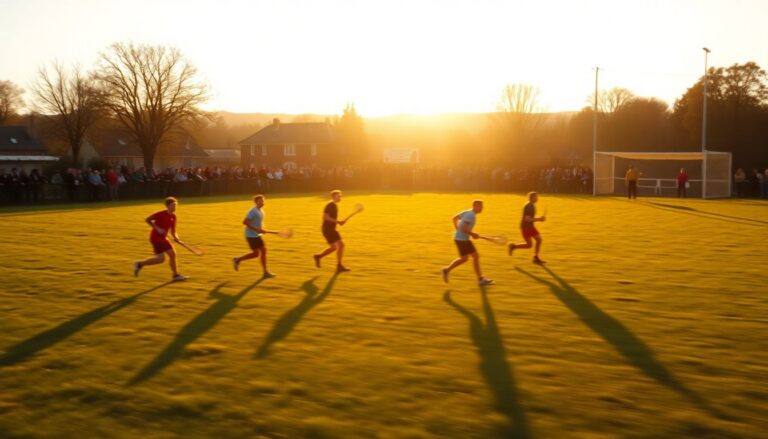
The game commonly remembered from playgrounds has quietly matured into a structured, competitive activity that engages communities across Ireland. The modern iteration, often referred to simply as GAA rounders, blends elements of batting, fielding and quick tactical play. While many still picture primary school children taking part during breaktime, the contemporary scene features organised adult leagues and national championships.
Each summer weekend brings fixtures that require teams to travel long distances, and the sport’s calendar is increasingly busy as local clubs expand their membership and outreach.
Participation spans genders and age groups: there are established male squads, female teams and a growing number of mixed teams that compete regularly.
This inclusivity has been a major factor in the sport’s rise, attracting players who seek local camaraderie as well as competitive matches. The structure surrounding the sport now includes codified rules, refereeing standards and championship ladders, which together transform what many think of as informal play into an organised community sport with measurable development pathways.
From playground to national championships
The evolution of the sport has followed a predictable social pattern: grassroots enthusiasm leads to formal organisation, which attracts more participants. Clubs that once met for casual games now register teams for regional leagues and national tournaments. The establishment of these competitions has created weekend routines where around a hundred adult teams travel the country during summer months to contest titles. For many clubs, match days double as social gatherings, strengthening local identity and volunteer networks that sustain refereeing, coaching and youth outreach programs.
How rules and governance changed the game
Standardised rules and official governance have been pivotal in moving the sport beyond informal play. The adoption of consistent regulations, recognised scoring systems and trained officials means matches are comparable across different counties and regions. The application of basic competition governance—fixtures lists, appeals processes and clear safety guidelines—has made it easier for new clubs to join and for existing ones to plan season-long campaigns. This professionalisation, while modest compared with major sports, provides the framework necessary for growth.
Community impact and social benefits
At its core, the sport functions as a community builder. Clubs are often based in parish halls, community centres or local GAA grounds, where the sport operates alongside Gaelic football and hurling. The accessible nature of the game—relatively low equipment cost and straightforward rules—makes it an attractive option for families, retirees and those returning to sport after time away. Social events tied to fixtures, such as post-match gatherings and fundraising nights, also provide vital income streams and deepen local engagement, reinforcing the role of the club as a social hub.
Inclusion and mixed teams
One of the most striking developments is the surge in mixed team participation. Mixed squads have opened competitive play to a broader demographic and encouraged tactical innovations as teams balance strengths across genders. The presence of mixed competitions offers a different social dynamic compared with single-gender leagues and has become an appealing format for smaller clubs aiming to field competitive sides. This inclusive approach helps retain players who might otherwise be lost to other recreational activities.
What to expect at a match and how to get involved
A typical match day blends spirited competition with community warmth. Spectators will see quick batting turns, agile fielding and strategic base running. Newcomers are often surprised by the pace and the tactical nuance that emerges at higher levels of play. To get involved, interested players can contact local clubs directly or search regional listings for trial sessions. Most clubs welcome beginners and provide practical introductions to the basic techniques and safety practices needed to join training and matches.
For volunteers and organisers, running a team involves coordination of fixtures, training schedules and basic administration. Clubs benefit from coaches who can introduce players to throwing, catching and batting mechanics, while volunteers manage logistics such as kit, transport and pitch booking. Because the sport remains community-centred, contributions from parents, coaches and local supporters are essential to keep leagues running smoothly and to ensure the sport’s continued expansion across Ireland.
Looking ahead
With increased organisation, inclusive formats and growing media interest, the sport appears set to further entrench itself in Irish community life. Its transition from a childhood pastime to a structured adult sport highlights how modest recreational activities can develop meaningful social and competitive ecosystems when supported by volunteer labour and local enthusiasm. For anyone curious about grassroots sport, attending a match offers a window into a vibrant, community-driven scene centred on teamwork, accessibility and friendly rivalry.
