

Cyclone Gezani uprooted communities across Madagascar and struck Mozambique’s Inhambane province, producing deadly winds, major infrastructure damage and urgent humanitarian needs.
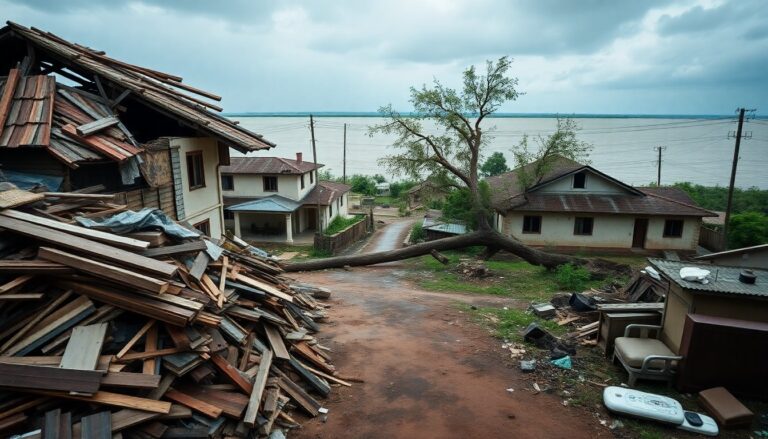
Cyclone Gezani slammed into Madagascar and crossed the Mozambique Channel before hitting southeastern Africa, leaving a trail of destruction from the port city of Toamasina to Mozambique’s Inhambane province. Madagascar declared a national emergency as whole neighbourhoods were shattered, utilities collapsed and officials made formal appeals for international assistance.
Human toll and displacement
The official toll is grim. Madagascar’s disaster office confirmed about 40–41 deaths, several hundred injuries and more than 16,300 people forced from their homes. In Mozambique, at least four people were killed and over 13,000 customers lost electricity after lines and poles were knocked down.
Tens of thousands of houses were destroyed or badly flooded across the affected areas.
Infrastructure and essential services
Toamasina—where the cyclone’s eye passed overhead—bore the worst urban damage. Authorities estimate roughly 75–80% of the city suffered damage: roofs ripped off, walls collapsed, and critical facilities left unusable.
The electrical system plunged to roughly 5% of normal capacity in parts of the city. Water networks are largely out of service and many neighbourhoods report no access to potable water. The World Food Programme also reported its local office and a warehouse were destroyed, complicating relief logistics.
Blocked roads, fallen trees and washed-out bridges are keeping emergency crews from reaching remote communities. Telecommunications outages are further hampering coordination, forcing relief teams to rely on airlifts and heavy machinery to clear routes. In Inhambane, power restoration crews have focused on hospitals and emergency shelters while broader repairs continue.
Immediate humanitarian priorities
Relief organisations are scaling up: temporary shelter, clean water, medical supplies, debris clearance and food distributions are top of the list. Rapid assessments are underway to determine where to send cash assistance, shelter kits and engineering teams. International actors are already offering search-and-rescue squads, medical teams and logistics support to help reopen transport and communications links.
Economic impact and longer-term vulnerability
Early estimates put Madagascar’s direct damage at about $142 million. Coastal livelihoods—fisheries, small-scale trade and markets—have been hit hard, raising social and economic risks for affected communities. Transport and supply interruptions are creating shortages of food, fuel and medicines in some districts.
Climate context and resilience
Scientists and officials point to a pattern of stronger, more frequent tropical cyclones and seasonal floods linked to climate change. That trend underlines the need for smarter rebuilding: stronger roads, resilient power systems, decentralized water treatment and redundant communications. Companies and donors that invest in resilient infrastructure and pre-positioned resources reduce downtime and limit the secondary humanitarian fallout when disasters strike.
Coordination and regional response
Neighbouring governments and international partners have pledged help. France is staging food and search-and-rescue support from Réunion; other states and agencies are offering airlift capacity, equipment to clear roads and technical teams. Public authorities, NGOs and UN agencies are coordinating operations on the ground, moving from search-and-rescue to life-saving aid and recovery planning.
What comes next
Restoring lifelines—power to hospitals and water plants, reopening main roads, repairing WFP storage—will shape the coming weeks. Detailed damage appraisals will guide where to prioritise cash transfers, temporary shelters and reconstruction that builds back stronger. Recovery will be slow and will require sustained funding, technical expertise and close public–private cooperation to reduce vulnerability to the next storm.
In short: Gezani left widespread human suffering and major infrastructure failures in its wake. The immediate focus is saving lives and stabilising services; the bigger challenge is rebuilding in ways that make communities harder to knock off course the next time climate-driven extremes hit.
