Learn about the key components that make a formula one car competitive and how teams use upgrades to gain an edge
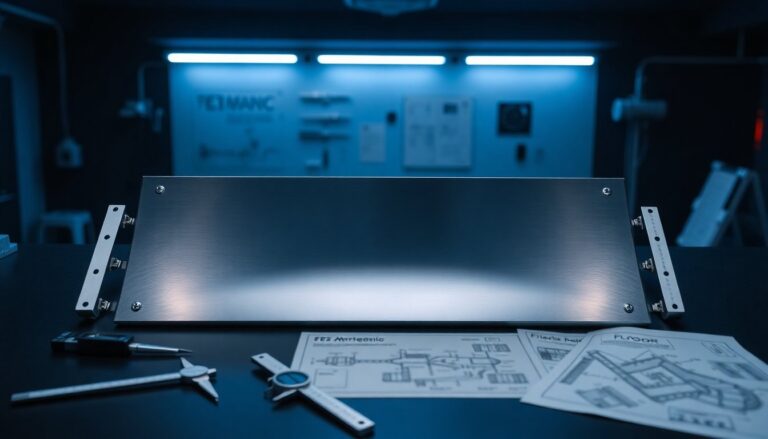
Formula one is a highly competitive sport where teams constantly strive to improve their cars’ performance. One crucial aspect of this is the use of upgrades, particularly to the floorwings and diffusers. These components play a vital role in determining a car’s lap time and tyre life.
The floor of a formula one car is responsible for generating a significant amount of downforce which helps the car corner faster and maintain stability. Teams often upgrade the floor to optimize its shape and design, allowing for better airflow and increased downforce.
Similarly, the wings of a formula one car, including the front wing and rear wing are critical in producing downforce and drag. Upgrades to the wings can improve a car’s
Upgrade paths and their impact
Teams typically follow a structured upgrade path throughout the season, introducing new components and tweaks to their cars at strategic points.
This can include upgrading the diffuser which helps to accelerate the airflow under the car and increase downforce. By carefully planning and executing their upgrade strategy, teams can gain a significant competitive advantage over their rivals.
A key consideration for teams when developing upgrades is the cost cap. This regulation limits the amount of money teams can spend on certain aspects of their cars, including upgrades. As a result, teams must carefully prioritize their upgrade plans, focusing on the most critical components that will yield the greatest performance gains. Some teams may even choose to skip experiments and focus on refining existing designs, rather than risking valuable resources on unproven concepts.
Cost-cap strategy and its implications
The cost cap has significant implications for formula one teams, as it requires them to be highly efficient and strategic in their upgrade planning. Teams must balance the need to improve their cars’ performance with the need to stay within the cost cap. This can lead to difficult decisions about which upgrades to prioritize and when to introduce them. By adopting a careful and considered approach to upgrade planning, teams can minimize the risk of exceeding the cost cap while still achieving their performance goals.
By understanding the role of floorswings and diffusers in determining a car’s performance, teams can develop effective upgrade strategies that help them gain a competitive edge. The cost cap adds an additional layer of complexity to this process, requiring teams to be highly strategic and efficient in their planning.