

Truckers' blockades across southern Italy empty shelves and threaten waste collection and public transport.
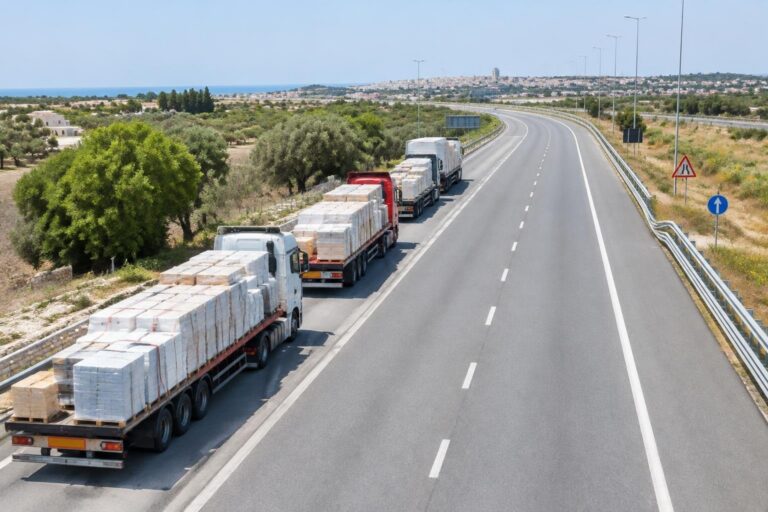
On 16 October, a wave of truckers protests erupted across Italy’s southern regions, targeting key highways, ports and fuel depots. The demonstrations were fueled by a steep rise in diesel prices, which now exceed €2.16 per litre in Sicily and have climbed by €0.35 since February.
The actions have quickly spilled over into everyday life: supermarkets report empty shelves, municipal waste collectors face fuel shortages, and public transport operators warn of imminent service cuts.
Blockades spread across Apulia, Calabria and Sicily
In Apulia, drivers seized the ring road around Andria, prompting a meeting between the mayor and protestors.
Heavy trucks were forced into a side lane while traffic toward Bari continued unimpeded. The nearby town of Corato saw a convoy of tractors and lorries storm the city centre, drawing the attention of olive growers who joined the rally on 15 October.
Further south, Calabria hosted roughly twenty protest sites, ranging from the Falerna junction to the Lamezia Terme airport, with participation from farmers, livestock breeders and fishermen. The local federation, Fedralog, disclosed that diesel expenditure has surged by about €2,000 per vehicle since March.
Sicily’s ports became congested as trucks halted loading operations, and yards near Gela saw dozens of vehicles idle. Coordinators of the strike complained that Sicilian truckers were excluded from upcoming ministerial talks. In the same vein, the region allocated €15 million in aid – €5 million for agricultural businesses and €10 million for transport – a stop-gap measure criticised as insufficient by protest leaders.
Essential services teeter on the edge in Bari and beyond
The city of Bari, a major logistical hub, received an urgent warning from Mayor Vito Leccese. He disclosed that waste-collection contracts hold less than a week’s funding, while public transport can only be sustained for five to six days without fresh fuel deliveries. Local businesses are already grappling with doubled operating costs, and several public works projects face interruptions. The removal of road blockades by steelworkers in nearby Taranto did little to ease the pressure, as the city’s reserves are rapidly depleting.
Beyond Bari, the disruption rippled through the supply chain. Fresh produce destined for markets in Campania and Calabria remains stranded, and exporters fear a loss of revenue as agricultural exports stall. The combination of high diesel costs and blocked routes threatens to push many small farms into financial ruin.
Strikes continue and government talks loom
While truckers maintain their blockades, workers at the former Ilva steelworks in Taranto—now operating under Acciaierie d’Italia—cleared the SS 106 and SS 7 but kept their strike alive for a fifth consecutive day. Representatives from Fim Cisl, Fiom CGIL, Uilm UIL and Usb announced that the strike will persist until at least 11 p.m., emphasizing that any government refusal to meet their demands will trigger further mobilisation, including organized bus trips to Rome.
Transport Minister Matteo Salvini has pledged to unfreeze delayed subsidies and to sit down with union delegations on 27 October at Palazzo Chigi. The meeting is expected to address not only the steelworkers’ grievances but also the broader diesel-price crisis that has ignited the truckers’ protests. Until a concrete resolution emerges, southern Italy’s logistics network remains on a knife-edge, with everyday citizens bearing the brunt of the stand-off.
