

A groundbreaking device is offering new hope to tinnitus sufferers, with remarkable results seen in just weeks of use.
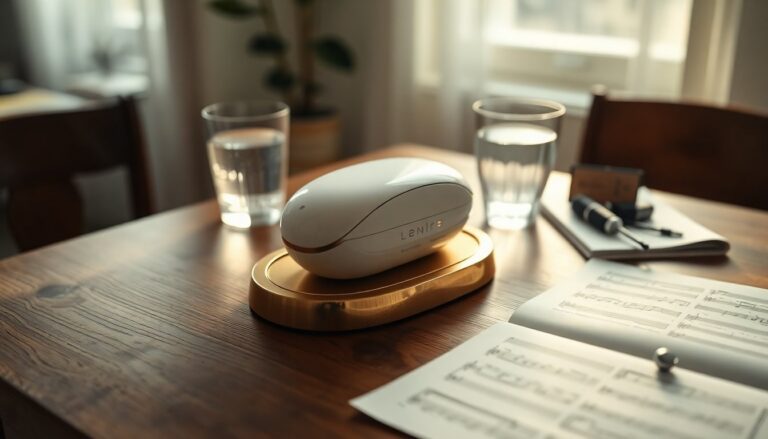
For millions of people worldwide, the constant ringing, buzzing, or hissing of tinnitus can be a daily torment. This condition, which affects about 750 million people globally, has long been difficult to treat effectively. However, a new device called Lenire is offering hope to those suffering from this persistent ear condition.
The story of Jim Gray, a 75-year-old retired journalist from Toronto, Canada, illustrates the profound impact tinnitus can have on a person’s life. Jim first noticed a loud humming noise during the pandemic, initially attributing it to his refrigerator.
Over five years, the ringing and buzzing in his ears worsened, disrupting his sleep and mental well-being. Despite trying various treatments, including extreme diets and acupuncture, Jim found no lasting relief.
The breakthrough with Lenire
Jim’s life changed when he discovered Lenire, an innovative device that combines sound therapy with nerve stimulation.
The treatment involves wearing a headset that plays soothing noises while a vibrating gadget stimulates the trigeminal nerves through the tongue. This dual approach aims to retrain the brain to ignore the internal sounds of tinnitus.
Within just three days of using Lenire, Jim noticed a significant reduction in the noise he was hearing. After three months of treatment, his tinnitus had almost completely disappeared, only flaring up on particularly stressful days. Jim’s experience is not unique; many others have reported similar improvements with this groundbreaking device.
How Lenire works
The Lenire device works by providing dual stimuli to the brain. The headphones play sounds similar in pitch and frequency to the tinnitus noise the patient is experiencing, while the vibrating gadget stimulates the trigeminal nerve. This nerve connects with the hearing centers of the brain, suggesting it may help influence how tinnitus is processed.
Dr. Ross O’Neill, the founder and inventor of Lenire, explains that the device essentially grabs the brain’s attention away from the tinnitus. While it is not a cure, it is a treatment that reduces significant symptoms. The recommended treatment plan involves two 30-minute sessions each day for around 12 weeks, but patients can continue to use it indefinitely.
Clinical trials and real-world results
A 2026 clinical trial involving 450 participants found that 90 per cent reported a reduction in symptoms over six weeks, with results sustained during the following year. A real-world study published in the American Journal of Audiology examined 140 tinnitus sufferers treated with the device, with more than 80 per cent seeing significant improvement in symptoms after 12 weeks.
In a 2026 study of 212 people with moderate to severe tinnitus, 91.5 per cent reported significant improvement after using Lenire. Among those with severe to ‘catastrophic’ tinnitus, the proportion fell from around half to just 11 per cent after treatment. By the end of the study, 66 per cent rated their tinnitus as ‘mild’ or ‘slight’.
The impact on daily life
The Lenire device has been particularly effective for patients with moderate to severe tinnitus. Jordon Thompson, an audiologist at Harley Street Hearing and Musicians Services in London, has seen remarkable cases using the device. One such case involved Alison Moore, a 62-year-old teacher from Kingston-upon-Thames, who began experiencing a loud, sharp ringing in her ears after swimming.
Alison’s tinnitus was initially diagnosed as an ear infection, but it persisted and became unbearable, causing sleepless nights. After discovering Lenire, she used the device for four months, twice a day, and noticed a marked difference in her condition. The device helped her take back control of the condition, significantly reducing the noise she heard.
Who can benefit from Lenire?
While Lenire offers hope to many tinnitus sufferers, it is not suitable for everyone. Patients with implants, such as pacemakers or cochlears, are ruled out from using the device. Additionally, those with oral infections, head and neck pain, or conditions that cause fainting require further medical assessment to ensure the device’s safety.
Experts emphasize the importance of a holistic approach when assessing a patient for Lenire. Factors such as the patient’s goals, previous treatments, and the severity of their tinnitus are all taken into consideration. The device has been particularly effective for patients with moderate to severe tinnitus, who often find traditional interventions like cognitive behavioral therapy or mindfulness less helpful.
The future of tinnitus treatment
The growing prevalence of tinnitus, which has increased by 50 per cent in the past two decades, highlights the need for effective treatments. Experts attribute this rise to modern lifestyles, including increased headphone usage, ageing populations, and the lingering effects of Covid and long Covid.
The Lenire device is currently available at 20 private clinics across the UK, with a cost of around £3,500. The charity Tinnitus UK has given the device its top rating for safety and marked it as effective compared with no treatment. The hope is for Lenire to be available on the NHS, making it standard care for as many patients as possible.
As research continues, the Lenire device offers a promising solution for those suffering from tinnitus. Its ability to significantly reduce symptoms and improve the quality of life for millions of people worldwide makes it a groundbreaking development in the field of auditory health.
