Actress Aisling Goodwin shares her journey of overcoming alcohol dependence with the help of naltrexone, a medication that blocks cravings and changes the brain's response to alcohol.
Aisling Goodwin, a 41-year-old actress from Dublin, Ireland, never considered herself much of a drinker. Her social occasions typically involved just a few glasses of red wine. However, a difficult break-up last year changed everything. What began as a nightly glass of wine to help her sleep escalated into a dependency she struggled to control.
Her story is not one of extreme alcoholism but of a high-functioning professional who found herself relying on alcohol as a crutch. This is a common scenario for many people who might not see themselves as alcoholics but still struggle with moderation.
Aisling’s journey highlights the potential of naltrexone, a medication that has gained attention for its ability to curb alcohol cravings effectively.
Aisling’s Turning Point
On Christmas Eve last year, Aisling reached a breaking point. Sitting alone at home, she broke down in tears, questioning her lifestyle.
‘What am I doing? There has to be more to life than this,’ she thought. That same night, while browsing TikTok, she discovered a woman who claimed to have quit drinking using naltrexone. Skeptical but desperate for change, Aisling decided to give it a try.
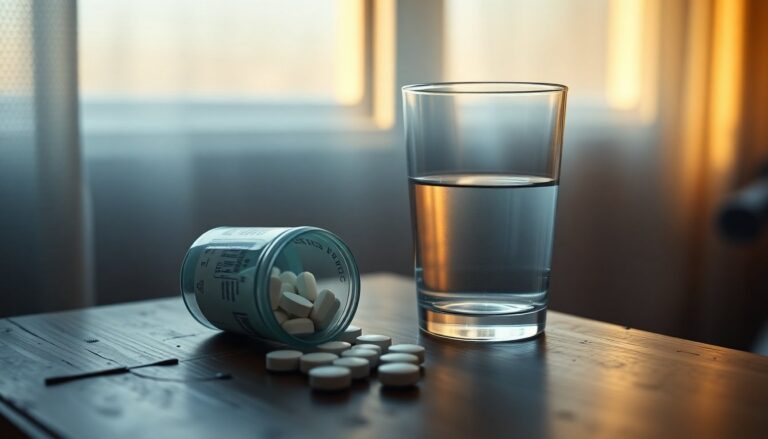
Naltrexone works by blocking opioid receptors in the brain, making alcohol less pleasurable and reducing the desire to drink. Studies show it has a near 80% success rate in helping users drastically reduce or eliminate their alcohol consumption. This is a significant contrast to traditional methods like Alcoholics Anonymous, which have success rates of less than 15%, according to the World Health Organisation.
The Science Behind Naltrexone
The medication helps the brain ‘unlearn’ the link between alcohol and the production of feel-good chemicals. This process can also extend to other compulsive behaviors, such as snacking. Dr. Peter McCann, medical director of Castle Craig, explains that food and alcohol activate overlapping reward pathways in the brain. ‘While the evidence for alcohol use disorder is much stronger, some people notice reduced snacking while taking naltrexone,’ he says.
Despite its effectiveness, naltrexone is often only prescribed to prevent relapse in those who have already become sober. Experts argue that it should be more readily available as part of a broader approach to alcohol treatment. Dr. Philippa Kaye, a London-based GP, emphasizes the high cost of alcohol on both mental and physical health. ‘Improving access to medication that can help reduce how much people drink could prove useful, both to patients and to the NHS as a whole,’ she says.
Aisling’s Transformation
Aisling paid around £600 for a month’s supply of naltrexone tablets along with 12 weeks of coaching sessions. She was instructed to take the tablet an hour before she planned to drink. The first night, she had a glass of red wine and opened a pack of lentil crisps, her favorite snack. To her surprise, she only ate half the packet and felt tired afterward, going to bed early.
The next night, she took one sip of wine and found it didn’t taste the same. She also didn’t want any crisps. This aversion to alcohol continued even on days when she hadn’t taken the tablet. ‘I was in the supermarket about a week later and realized that, for the first time in a long while, I didn’t have a voice in my head telling me to buy a bottle of wine. It was just gone,’ she says.
Aisling also noticed improvements in her diet and energy levels. She lost weight and felt more motivated to exercise. ‘I used to eat a lot of empty carbs after I had been drinking. Once I cut back on the alcohol, my diet improved and I had more energy to exercise,’ she explains. Within a few months, she dropped from a size 10 to a size 8.
The Broader Impact
Experts believe that naltrexone could help many moderate drinkers like Aisling. Harvey Bhandal, managing director of The Sinclair Method UK, notes that many people who seek help are high-functioning professionals who don’t see themselves as alcoholics but are uneasy about their drinking habits. ‘It’s a spectrum, and you don’t have to reach anyone’s idea of rock bottom to want a different relationship with alcohol,’ he says.
Aisling now recommends naltrexone to her friends in the film industry, where addiction is prevalent. ‘I tell everyone to try the drug. It might not work for everyone, but it helped me get my energy and life back,’ she says. Her story serves as a testament to the potential of naltrexone in transforming lives and promoting healthier lifestyles.