As the UK faces one of its driest summers in decades, water companies are implementing hosepipe bans. Find out who is exempt and how to manage water use effectively.
The United Kingdom is experiencing an exceptionally hot and dry summer in 2026, leading to severe water shortages. In response, numerous water companies across England and Wales have imposed hosepipe bans to conserve water supplies. These restrictions affect millions of residents, limiting the use of hosepipes, sprinklers, and pressure washers.
The prolonged lack of rainfall has significantly reduced reservoir levels, prompting water providers like Thames WaterAffinity WaterAnglian Water and Welsh Water to enforce these measures. The goal is to ensure that water remains available for essential needs during this period of scarcity.
Understanding the Hosepipe Ban Restrictions
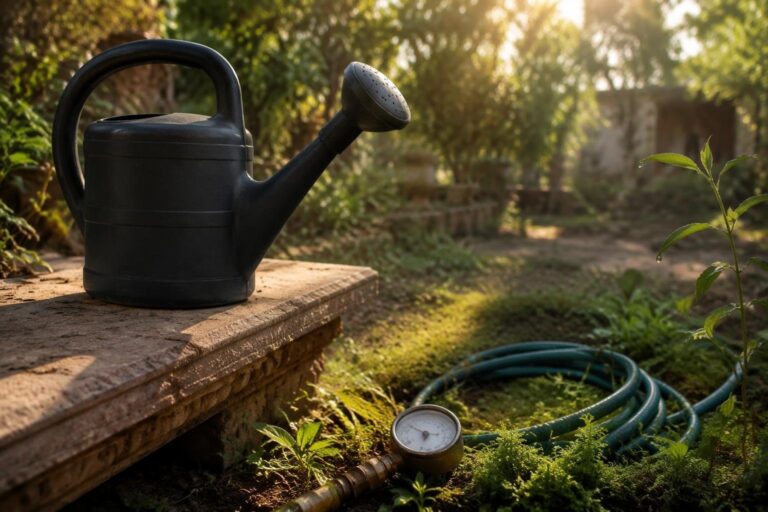
The hosepipe bans restrict various activities, including watering gardens, filling paddling pools, and cleaning vehicles or windows with a hosepipe. However, residents are still permitted to use watering cansbuckets and water butts for these tasks.
The restrictions aim to reduce non-essential water use and alleviate pressure on the water supply.
Most people comply with these regulations, recognizing the importance of conserving water. However, if you notice a neighbor violating the ban, you can report it to your local water provider. Companies like Southern Water and Thames Water encourage residents to report breaches through confidential online forms rather than calling Emergency Services.
Who Is Exempt from the Hosepipe Ban?
Certain individuals and businesses are exempt from the hosepipe ban, depending on their specific needs and circumstances. Here are some key exemptions:
Wastewater-Only Customers
Customers who only receive wastewater services may be exempt from the ban. However, it is essential to verify with your water supplier to confirm your exemption status.
Health and Safety Exemptions
Hosepipes can be used to safeguard health or safety, such as watering a boat, cleaning paths, or preventing the spread of disease. Individuals with severe mobility difficulties are also permitted to use hosepipes for specific tasks like watering gardens or cleaning vehicles.
Blue Badge Holders
Many water companies recognize that Blue Badge holders may face challenges using alternatives like buckets or watering cans. As a result, several providers offer exemptions for these individuals. However, the rules vary by company, and some may require registration on their Priority Services Register.
For example, Affinity Water and Thames Water automatically exempt Blue Badge holders, while South East Water requires an application. It is crucial to check with your specific water provider to understand the exemption process and requirements.
Businesses and Essential Services
Businesses delivering services to customers, such as cleaning vehicles, windows, or outdoor areas, may use hosepipes. Additionally, hosepipes can be used to fill water tanks in caravans and motorhomes for washing, cooking, and sanitation purposes.
Penalties for Breaching the Hosepipe Ban
Breaching the hosepipe ban can result in penalties, including fixed fines of up to £1,000. Water companies emphasize that enforcement actions are taken in cases of intentional or repeated violations. However, they encourage residents to focus on reducing their water use rather than assuming others are breaching the restrictions.
If you have additional water needs due to a disability, it is advisable to contact your water company to explain your specific requirements. Many providers offer medical or essential-need exemptions beyond the standard Blue Badge exemptions.
As the UK continues to face water stress due to climate change and population growth, it is essential to stay informed about hosepipe bans and exemptions. By understanding the restrictions and your exemption status, you can ensure compliance and contribute to water conservation efforts.