Ghana is facing a significant healthcare funding gap after the suspension of USAID programs, but local initiatives and private sector involvement are emerging to sustain vital immunisation efforts.
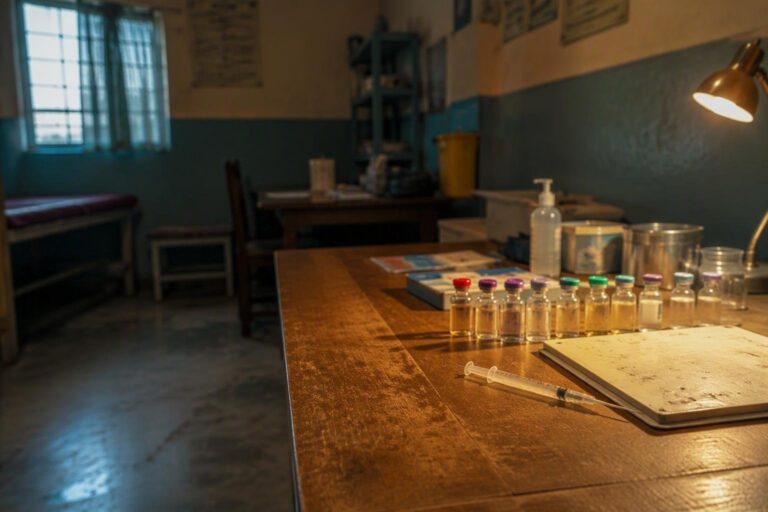
Ghana, a pioneer in Africa for introducing the RTS,S malaria vaccine into its routine immunisation program, is now grappling with the aftermath of USAID funding cuts. The suspension of these programs has left a substantial funding gap, challenging the country’s healthcare system and its ability to maintain critical immunisation efforts.
The RTS,S malaria vaccine has shown promising results, with a 13 percent reduction in mortality among eligible children and roughly one in eight deaths averted. However, the recent disruption in funding threatens to undermine these gains, as health workers struggle to reach children, trace those who miss doses, and ensure vaccines are safely delivered to communities.
Impact of USAID Funding Cuts
The suspension of USAID programs has created an estimated $156 million funding gap across affected programs, with a projected $78.2 million shortfall in health funding. This funding supported essential programs including malaria prevention, maternal and child health, nutrition, family planning, and HIV services.
The disruption has raised concerns about the systems that keep routine immunisation running, particularly in remote communities.
A study examining donor withdrawal in northern Ghana found that 75 percent of the districts surveyed reported vaccine delays or irregular supplies. The study also highlighted constraints affecting cold-chain equipment, delivery kits, and transport fuel. These challenges underscore the need for innovative solutions to maintain the continuity of immunisation programs.
Local Initiatives and Private Sector Involvement
In response to the funding shock, Ghana is exploring new ways to finance healthcare. Nana Owusu Ensaw, municipal director of health for Akuapim North, emphasized the importance of rethinking healthcare financing. He noted that the Ghana Medical Trust Fund, or MahamaCares, is expanding access to specialised care and that the private sector must also step up.
John Yabani, the medical director of Banahene Specialist Hospital, echoed this sentiment, stating that the private sector is prepared to play a larger role. He highlighted the potential for Ghana to become a medical tourism hub by investing in diagnostics, telemedicine, and specialist care. Banks and financial institutions are encouraged to support these initiatives with tailored financing packages to attract more players into the sector.
Challenges and Solutions
While private investment is crucial, it cannot immediately replace the public health infrastructure needed to deliver routine vaccinations, particularly in remote communities. A government official, speaking anonymously, saw the loss of donor funding as an opportunity for Ghana to utilise its own resources to take care of its citizens. George Kwame Egeh, cofounder and director of operations at the Humserve Africa Foundation, advocated for greater use of local funding and the involvement of civil society organisations (CSOs) to fill the gap created by USAID cuts.
In the Oti Region, where many communities are rural and hard to reach, the concern is particularly acute. A 2026 study found basic antigen coverage in Oti of 85.3 percent, while coverage for the national schedule was 62.1 percent. Mark Appiah, chairman of the Oti Regional Health Committee, expressed concerns that financing pressures could erode these gains. He called for an Oti Regional Health Development and Resource Mobilisation Framework to build structured partnerships with businesses, development partners, and NGOs.
As Ghana faces a longer-term shift in how it finances vaccines, the government has begun looking for ways to do that. The government has removed the cap on funding from the National Health Insurance Scheme and is backing efforts to develop local vaccine manufacturing capacity. These changes, however, will take time, and the immediate disruption caused by the withdrawal of US funding remains a significant challenge.
Appiah’s message was clear: “No child in Oti Region should be denied life-saving immunisation because of where that child lives or because of a temporary financing gap.” This sentiment underscores the urgent need for sustainable solutions to maintain Ghana’s immunisation programs and ensure the health and well-being of its children.