A practical, timeless guide to restomods that explains why classic cars receive modern powertrains, safety systems, infotainment and sustainable upgrades, and how to judge authenticity versus usability.
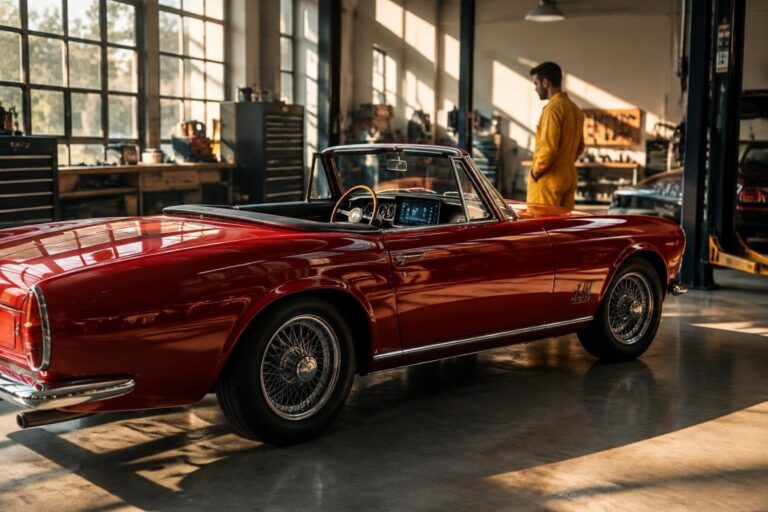
Restomods 101: why classic icons get modern tech inside
Restomod describes the practice of restoring a classic vehicle while fitting it with modern technology to improve performance, safety, comfort and environmental impact. A restomod can range from a minimally altered classic with sympathetic upgrades to a comprehensive rebuild that substitutes the original powertrain, chassis components and interior systems.
The defining feature is purpose: to preserve the aesthetic or cultural value of a classic vehicle while making it more usable and reliable for contemporary driving conditions. Clear distinctions between restoration, preservation and restomod help owners and builders set goals before any work begins.
Understanding why restomods matter requires separating emotional value from functional need. Many people want the design and character of a classic but also expect reliable starting, predictable handling, useful braking distances and modern conveniences such as climate control and navigation.
Additionally, concern about emissions, fuel availability and long-term serviceability motivates pragmatic upgrades. This article previews core topics: powertrains, safety and chassis, infotainment, and sustainability, then compares OEM-sanctioned revivals with independent builders and provides a framework to assess trade-offs between authenticity and usability.
Powertrain upgrades: swapping engines, transmissions and electrification
Powertrain choices drive most restomod decisions because they shape performance, packaging and compliance. Typical approaches include replacing an aging internal combustion engine with a modern fuel-injected unit for reliability and emissions control, fitting a contemporary transmission to improve shift quality and efficiency, or converting to electric propulsion for instant torque and simplified maintenance. Integration challenges are practical: mounts, cooling, weight distribution, and driveline compatibility must be engineered to maintain handling balance and structural integrity. Electrical systems often need reworking to support high-voltage or modern low-voltage electronics, and regenerative braking requires recalibration of brake bias and ABS systems when present.
Safety and chassis: bringing classic structure up to modern expectations
Upgrading braking systems, suspension and passive safety features turns a show car into a highway-capable vehicle. Typical safety upgrades include disc brake conversions, modern calipers and master cylinders, reinforced mounting points, and updated suspension geometry using coilovers or modern dampers for predictable response. Structural work may add discreet reinforcements to improve crash energy management without altering visible bodylines. When fitting seatbelts, airbags are usually impractical to retrofit, so seatbelt anchorage and seat design become critical. Properly executed, these changes preserve the original driving feel while meeting contemporary expectations for stopping distance and directional stability.
Infotainment and usability: integrating modern systems without losing character
Infotainment upgrades focus on making daily use comfortable and safe: discreetly installed touchscreen units, smartphone integration, Bluetooth hands-free, and upgraded HVAC systems are common. The objective is seamlessness: retain original controls and dials where they matter visually while routing modern interfaces into gloveboxes, underseat modules or behind period-looking panels. Lighting upgrades to LED improve visibility without changing instrument aesthetics. Attention to wiring, electromagnetic compatibility and user ergonomics keeps systems reliable; proper integration also considers serviceability so that future repairs do not require invasive disassembly.
Sustainability and emissions: lifecycle thinking for classic cars
Sustainability in restomods extends beyond tailpipe emissions to encompass materials, energy use and long-term serviceability. Electrification reduces local emissions but introduces considerations about battery sourcing, end-of-life recycling and overall lifecycle impact. Lightweighting with modern materials improves efficiency but must respect structural safety and authenticity. Fuel-system tuning and catalytic conversions can reduce emissions for retained internal combustion engines, while careful selection of consumables, refrigerants and lubricants minimizes environmental harm. A lifecycle view weighs the environmental cost of a full rebuild against continued use of an unrestored classic.
OEM-sanctioned revivals versus independent builders
Two broad camps produce restomods: manufacturer-backed revivals and independent specialist workshops. OEM-sanctioned efforts often carry factory engineering, documented integration standards and warranty support, which improves resale confidence and long-term parts availability. Independent builders excel at bespoke customization and often work to individual tastes with greater flexibility, but outcomes vary with builder expertise. Buyers must assess documentation, testing records and the extent of retained original components. Insurance, homologation and title paperwork differ between factory and independent builds and affect registration and resale value.
A practical framework to assess authenticity versus usability trade-offs
A simple scoring framework helps owners make decisions: 1) Define primary use (show, occasional drive, daily driver); 2) Prioritize authenticity elements (original engine, body, interior) and rate them as essential, negotiable or disposable; 3) List usability upgrades desired (modern brakes, AC, infotainment, electrification) and classify by impact and reversibility; 4) Evaluate cost, complexity and effect on resale; 5) Confirm serviceability and parts availability. This framework helps quantify choices: reversible changes generally preserve collector value, while permanent modifications to core identity attributes reduce authenticity but may increase everyday value for a different buyer profile.
Insights, cases and exceptions
Some classics respond poorly to dramatic power increases because original brakes or chassis cannot be discreetly upgraded to match; others accept electrification with minimal visible compromise. Exceptions often depend on platform simplicity, original engineering margins and the availability of compatible modern components. Documenting every change with photographs, invoices and engineering notes improves provenance. For buyers, a well-documented independent build can equal factory-sanctioned offerings in reliability if engineering rigor and testing are evident.
Owners considering a restomod should begin by defining use, budget and how much of the original character must remain. Start with reversible, high-impact safety and reliability upgrades, then evaluate powertrain and sustainability options using the assessment framework above. For practical next steps, compile a prioritized checklist of three core upgrades, obtain multiple engineering proposals, and require documentation that preserves future resale options while keeping the car enjoyable to drive.