Britain's once verdant landscapes are turning yellow as severe drought takes its toll on food production, raising concerns about national security.
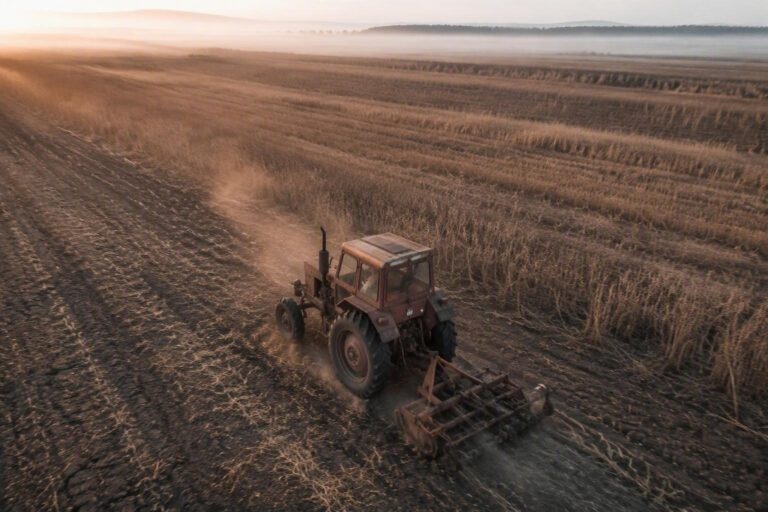
In a stark departure from its historical image as a verdant paradise Britain is now grappling with the consequences of a prolonged drought. The once lush green landscapes, immortalized in poetry, are now a sickly yellow signaling a deepening agricultural crisis.
The lack of rainfall has led to a brutal harvest with food production significantly impacted. This environmental shift is not just an aesthetic concern but a critical issue that threatens the nation’s food security and, consequently, its national security.
The impact of drought on British agriculture
The drought conditions have created a perfect storm for British farmers. Crops are failing, livestock are suffering, and the The lack of water is the primary culprit, but the effects ripple through the entire food supply chain.
Experts warn that if the drought persists the UK could face severe food shortages. This is not a distant threat but a looming reality that could impact every household in the country. The government is under pressure to address this crisis and implement long-term solutions to mitigate the effects of climate change on agriculture.
The national security implications
The food production crisis is not just an economic issue it is a national security concern. A reliable food supply is crucial for maintaining social stability and public health. The government has warned that the current situation could lead to increased food pricessupply chain disruptions and even social unrest.
In response, the authorities are exploring various strategies to bolster food production. These include investing in drought-resistant cropsimproving water management and promoting sustainable farming practices. However, these measures will take time to implement and yield results.
The way forward
The current crisis serves as a wake-up call for the UK to rethink its agricultural policies. The focus should shift towards building resilience in the face of climate change. This includes diversifying cropsenhancing water conservation and investing in agricultural technology.
Moreover, international cooperation is essential to address global food security challenges. The UK can learn from other countries that have successfully adapted to similar crises. By sharing knowledge and resources the UK can strengthen its food production and ensure national security.