

As Europe's rivers reach record lows, ancient mammoth bones and wartime relics surface, while businesses and energy sectors face severe challenges
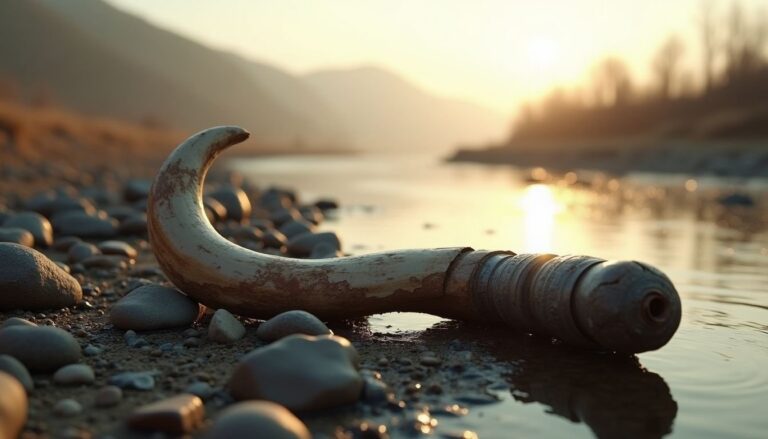
The relentless heat of 2026 has transformed Europe’s once-mighty rivers into parched corridors, revealing both ancient secrets and modern challenges. As water levels plummet to historic lows, the exposed riverbeds are yielding astonishing discoveries, from prehistoric mammoth bones to wartime explosives.
However, the drought’s impact extends far beyond these intriguing finds, threatening industries, wildlife, and local economies.
From the River Thames in England to the Danube stretching across Eastern Europe, the consequences of prolonged dry conditions are becoming increasingly apparent.
Businesses along these vital waterways are struggling to adapt, while environmentalists warn of long-term ecological damage. The situation underscends the urgent need for sustainable water management strategies in the face of climate change.
The Danube’s Hidden Treasures and Energy Crisis
The Danube River a lifeline for ten countries, has receded to unprecedented levels, exposing a treasure trove of historical artifacts. In Bulgaria, the remains of an ancient woolly mammoth were discovered on the riverbed, offering scientists a rare glimpse into prehistoric life. Meanwhile, in Hungary, the dropping water levels revealed a World War II bomb near the Margaret Bridge in Budapest, prompting authorities to close the structure for safety reasons.
Beyond these fascinating discoveries, the drought is creating significant challenges for energy production. Hungary’s largest nuclear power plant, Paks has been forced to reduce output by half due to insufficient cooling water. The plant’s operator warns that a complete shutdown may be necessary if water levels do not improve. Similar concerns arise in Romania, where nuclear reactors are also at risk of being powered down. These energy disruptions could lead to widespread blackouts and force residents to conserve electricity during peak hours.
Shipping and Tourism Disruptions
The Danube’s record low water levels have brought shipping to a near standstill, with cargo vessels unable to travel fully loaded. In some areas, ships are waiting for days to pass through the constricted waterways. The situation is particularly dire at the Vidin-Calafat Bridge connecting Bulgaria and Romania, where fishermen report being out of work as their boats remain stranded onshore.
Tourism has also taken a significant hit, with sightseeing cruises canceled and houseboats marooned along the riverbanks. In Serbia, hundreds of small boats and dozens of cargo ships are stuck on the dried-out riverbank near Novi Sad. The summer boating season, once a vital source of income for many, has effectively come to an end.
The Rhine’s Shipping Crisis
Similar challenges are unfolding along the Rhine River in Germany, where water levels have dropped to near record lows. The shallow conditions have forced reductions in cargo capacity to about 20% of normal levels. The Rhine serves as a crucial artery for transporting goods like grains, minerals, and oil products, creating potential bottlenecks for European industries.
In the Netherlands, the Rhine has reached its lowest recorded level at the point where it flows into the country. The Dutch government has implemented water use restrictions, particularly affecting the agricultural sector. Farmers are struggling to irrigate their crops as reservoirs and canals run dry, threatening food production and local economies.
Environmental Consequences
The ecological impact of the drought is equally concerning. Lower oxygen levels in the rivers have resulted in fish kills, with environmentalists warning of long-term damage to aquatic ecosystems. Liz Gyekye from Thames 21 emphasizes that ‘our rivers are really suffering,’ highlighting the urgent need for systemic changes in water management.
Experts argue that too much winter water is being lost quickly from farmland and rivers, rather than being stored for dry periods. Measures such as on-farm reservoirs, healthier soils, and the restoration of river corridors are proposed as solutions to improve water retention and reduce flood risks when heavy rains return.
Businesses Along the Thames Face Uncertainty
In England, businesses along the River Thames are bracing for a ‘dire situation’ if significant rainfall does not arrive soon. Greg Wheeler, owner of Cotswold Boat Hire reports that low water levels have led to fewer boat rentals and damaged vessels hitting sandbars. The situation is particularly concerning for boats that may become marooned between locks.
The Environment Agency has advised boaters to share locks and avoid unnecessary journeys to conserve water. However, the drought’s impact extends beyond recreational activities, affecting wildlife and local economies that depend on the river’s health.
As Europe grapples with the consequences of this unprecedented drought, the exposed riverbeds serve as a stark reminder of the need for sustainable water management and climate change adaptation strategies. The discoveries and challenges emerging from these parched waterways highlight the delicate balance between human activity and the natural environment.
