Learn how Nutrazen ginger shot powder is used alongside healthy habits to support normal body functions, what it contains, and when to consult a health professional.
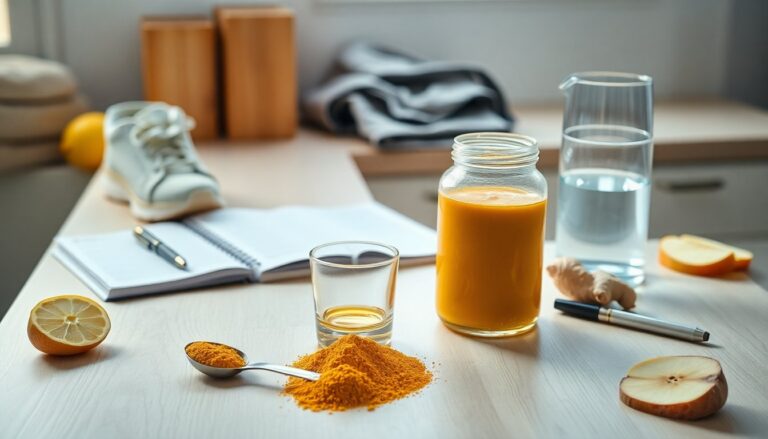
Topics covered
Who: Consumers seeking practical support for daily health through diet and lifestyle.
What: Powdered supplements such as Nutrazen ginger shot powder are marketed to complement sensible eating, regular exercise and consistent sleep. They are presented as aids to help maintain normal physiological functions rather than as medical treatments.
Where and when: These products are available through retail and online channels and are used as part of everyday routines whenever dietary intake varies.
Why: Users turn to powdered supplements to fill short-term nutritional gaps, support digestion or add concentrated botanical ingredients in an easy format.
This article examines the role of powdered supplements, outlines common ingredients and uses, and highlights key safety considerations. The aim is to provide a clear, balanced briefing so readers can assess whether such a supplement fits their routine.
What powdered supplements are and what they do
Powdered dietary supplements condense vitamins, minerals, herbs or botanicals into a dry form. They can be mixed into water, smoothies or food. Manufacturers promote them for convenience and dose control when whole-food intake is inconsistent.
Typical formulations often include botanical extracts, such as ginger, and supporting nutrients. Producers position these products as adjuncts to lifestyle measures rather than substitutes for a varied diet or medical care.
How powdered supplements fit into daily routines
Manufacturers market powdered supplements as practical additions to established diet and lifestyle measures. They are designed to complement the diet, not to replace whole foods or medical care.
Many powdered mixes, including ginger shot powders, pack vitamins, minerals and plant extracts in a dry format that users reconstitute with water. Sachets and single-serve portions simplify transport and dosing, which helps explain their appeal for people on the move.
Health professionals describe supplements as tools to address intermittent shortfalls. When dietary intake is inconsistent or physiological demands rise, a targeted product can support normal functions such as digestion, energy metabolism and general vitality.
Regulatory and clinical boundaries remain important. Powders are not medicines and must not be presented as treatments or preventive therapies for disease. That distinction guides safe use and realistic expectations.
Consumers should consult qualified health professionals before starting any regular supplement regimen, especially if they take prescription drugs or have underlying conditions. Independent testing and clear labeling can help users verify ingredient quality and dosage.
As interest in portable wellness products grows, manufacturers and regulators will likely face increased scrutiny over claims and quality control. Expect continued debate about where convenience ends and clinical benefit begins.
What’s typically in a ginger shot powder
Manufacturers commonly formulate ginger shot powders around a concentrated ginger extract. They pair that base with micronutrients such as vitamin C or B-group vitamins and with trace minerals intended to support normal physiological functions. Some products add other botanical extracts, electrolytes or amino acids to target specific effects, including energy, immune support or digestion.
Expect continued debate about where convenience ends and clinical benefit begins. In that context, makers market powders for portability and ease of use. The powdered format is lighter to ship, often offers a longer shelf life than liquids and can be sold in recyclable sachets or bulk refill packs. Those characteristics are cited as sustainability advantages by producers and some retailers.
How people use these powders in everyday life
Consumers commonly mix a measured scoop with water and drink it as a quick morning boost. Others add the powder to smoothies, yogurt or pre-workout shakes to mask sharp flavors and spread intake across a meal. Some users dissolve the powder in warm water with lemon for a soothing beverage.
Typical single-serving amounts vary by brand. Labels usually recommend one serving per day and list the amount of ginger-derived active compounds. Users sensitive to strong flavors often halve a serving at first to test tolerance.
Safety, regulation and practical cautions
Powders sold as dietary supplements are regulated differently from medicines in many jurisdictions. That distinction affects claims manufacturers may make and the level of premarket review required. Independent testing or third-party certification can provide additional assurance about purity and label accuracy.
Ginger can interact with anticoagulant medications and may cause gastrointestinal upset in some users. Consumers with chronic conditions, pregnant people or those taking prescription drugs should consult a clinician before starting regular use.
For younger consumers evaluating these products, consider verifying ingredient lists, serving sizes and any third-party test reports. Practical choices—such as selecting recyclable packaging or refill options—can reduce waste while meeting convenience needs.
Following choices about packaging and waste reduction, many users fold a ginger shot powder into existing daily routines. They typically add it to a morning ritual, to a post-travel recovery routine, or to days that follow irregular meals. Reported effects are generally modest. Users most often describe perceived support for normal energy levels and digestive comfort, not dramatic or immediate health changes.
Safety, guidance and realistic expectations
Supplements can interact with medicines and underlying health conditions. Read product labels and follow dosing instructions precisely. If you are pregnant, taking prescription medication or managing a chronic condition, consult a qualified healthcare professional before adding a new supplement. That step reduces the risk of contraindications and helps ensure the supplement complements other treatments safely.
That step reduces the risk of contraindications and helps ensure the supplement complements other treatments safely. Reliable products also make verification easier by publishing full ingredient lists and recommended daily intakes. Consumers should favour brands that disclose manufacturing standards and report third-party testing.
About claims, advertising and editorial context
Reputable communication draws a clear line between lifestyle support and medical claims. Labels, product pages and articles must state that supplements do not replace professional medical care. Clear distinctions help readers assess the intended purpose of a product.
Commercial features sometimes contain affiliate links that may generate a commission for the publisher. Ethical outlets disclose such relationships and preserve independent editorial assessment. Readers seeking wholly independent information can cross-check multiple sources or consult a healthcare professional before changing treatments.
Finally, modern editorial workflows sometimes use digital tools to support research and structure. When AI-assisted methods are applied, responsible publishers disclose that a human journalist reviewed and verified the final text. This step helps ensure factual accuracy and clear presentation.
Nutrazen ginger shot powder and comparable supplements are commonly chosen for convenience by people seeking to maintain a balanced lifestyle. When taken as directed and selected with attention to product quality and personal health needs, such supplements can complement sensible diet, exercise and sleep habits. They are not a substitute for professional medical advice, and readers should cross-check multiple sources or consult a healthcare professional before changing treatments.