Unlock the secrets of sensory design to create a home that nurtures your senses and enhances your wellbeing
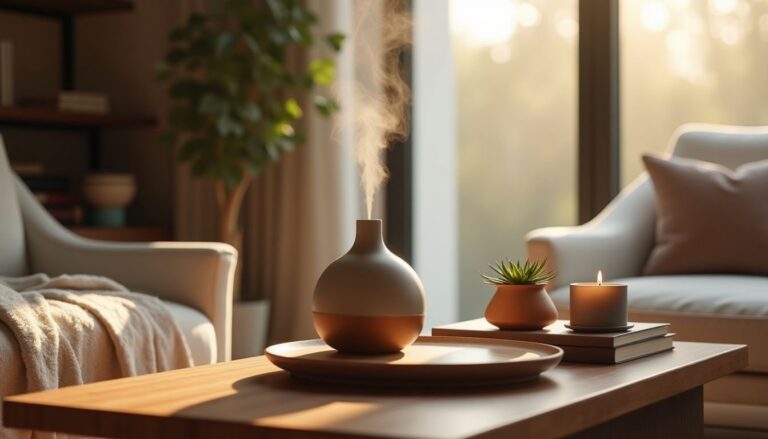
The way we design our living spaces has evolved beyond mere aesthetics. Today, there’s a growing recognition that our homes can actively influence our wellbeing with sensory design emerging as a powerful approach to creating environments that nurture both body and mind.
Originally developed to accommodate neurodiversity sensory design considers all five senses equally, moving beyond the traditional focus on sight and touch. This approach offers a refreshing alternative to the perfection-driven interiors often showcased on social media platforms.
Creating harmony through scent
Our sense of smell plays a profound role in shaping our mood and emotions. Franky Rousell of Jolie Studio recommends using fragrances strategically throughout your home. Diffusers whether traditional reed or modern Bluetooth-enabled versions, can be programmed to release scents at specific times and intensities.
Consider creating a fragrance profile for each room with base, middle, and top notes. Herb fragrances work particularly well in kitchens, subtly stimulating appetite. When selecting scents, opt for oil-based, hypoallergenic options and be mindful of potential sensitivities. Fabric fragrances from laundry products also contribute to your home’s sensory profile, so choose detergents and softeners that align with your desired atmosphere.
Equally important is removing unwanted odors. Ensure your kitchen has proper ventilation, investing in a quiet yet effective extractor fan. Good airflow helps maintain a fresh environment while preventing the buildup of unpleasant smells.
Crafting a peaceful soundscape
Sound significantly impacts our physiological responses, affecting heart rate, breathing, and stress levels. Our ears remain active even during sleep, constantly monitoring for potential threats. Creating a consistent auditory environment can promote better rest and relaxation.
To minimize disruptive noises, consider sound-absorbing solutions during renovations. Installing acoustic panels, double-glazed windows, and insulated floors can dramatically reduce external disturbances. For a more budget-friendly approach, mature hedges and bushes serve as natural sound barriers, while acoustic curtains help muffle street noise.
Your choice of furnishings also plays a role in sound management. Soft, absorbent materials like wood and lime plaster help dampen echoes, while a bookshelf full of books can surprisingly effective at absorbing noise from neighboring spaces. Introducing pleasant sounds, such as birdsong or classical music, can further enhance your home’s acoustic environment.
Designing for visual comfort
While sight is often the primary focus in interior design, creating visual harmony involves both adding and removing elements. Clutter, in particular, can be a significant source of stress. Modern homes frequently lack sufficient storage, leading to accumulated mess that creates visual noise.
Rather than embracing extreme minimalism, focus on what you want to display and find appropriate storage solutions for the rest. This approach allows you to maintain a visually calming environment while still personalizing your space. The key is to create a balanced visual hierarchy that guides the eye naturally through the room.
When selecting colors, consider their psychological effects. Warm tones like terracotta and amber create intimacy, making spaces feel cozier, while cool colors such as slate blue and sage green visually expand rooms and lower energy levels. Artwork can be particularly effective in introducing color, as it provides texture and depth that flat paint cannot.
To create a cohesive color palette, choose one dominant tone, one or two supporting tones, and a single accent color for contrast. Remember that the same color can appear different depending on the material it’s displayed on, with textured surfaces often providing more depth and variation.