

Major fashion brands are now offering repair services and sewing workshops to attract Gen Z consumers who prioritize sustainability and cost savings
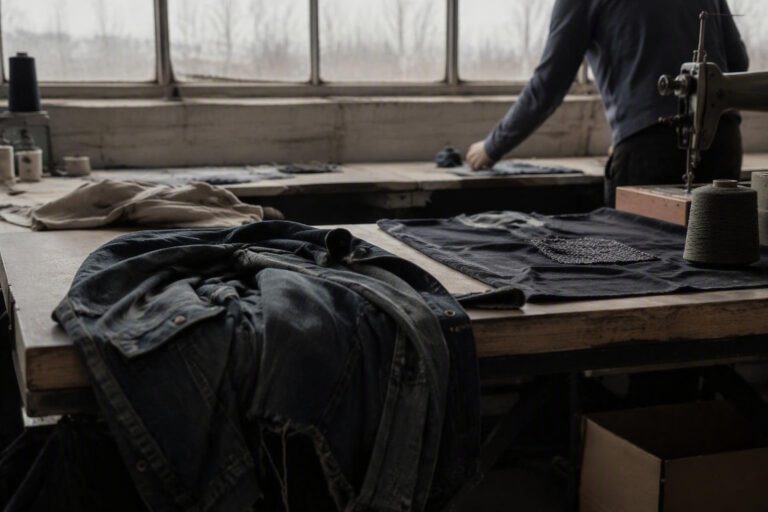
In a surprising twist, fashion brands are encouraging customers to mend their clothes rather than buy new ones. This shift towards sustainability is becoming a key strategy for retailers aiming to attract Generation Z consumers, who are increasingly conscious of both their budgets and the environment.
While luxury brands and outdoor retailers like Patagonia and L.L. Bean have long offered repair services, the trend is now gaining momentum among mainstream apparel chains. Companies like Levi Strauss & Co.Uniqlo and Primark are leading the charge, offering in-store repairs and sewing workshops to foster a sense of sustainability and craftsmanship among younger shoppers.
Empowering Gen Z with Sewing Skills
Levi’s has launched a handstitching course for high school students, recognizing a gap between Gen Z’s interest in thrift shopping and their lack of basic sewing skills. The Wear Longer program teaches teenagers essential skills like sewing on a button, hemming, patching a hole, and fixing a tear.
This initiative is part of Levi’s broader effort to empower customers to maintain and extend the life of their clothing.
Chloe Halprin, a 25-year-old resident of Detroit, embodies the type of consumer retailers are targeting. Having previously shopped at trendy, inexpensive stores, she often discarded damaged items due to her limited sewing abilities. Today, Halprin buys most of her clothes secondhand and has recently learned to hem with a sewing machine. Her goal is to tackle more complex projects, such as transforming a skirt into a shirt, reflecting her commitment to reducing waste and saving money.
The Environmental Impact of Clothing Repairs
The fashion industry faces significant pressure to reduce its environmental footprint. Textile waste, including manufacturing remnants and unwanted clothes, is a major challenge. The United Nations Environment Program estimates that global fabric waste is generated at a rate equivalent to a garbage truck’s worth being dumped or incinerated every second.
Researchers agree that repairing and reselling clothes can significantly reduce a garment’s environmental impact, especially if it delays or replaces a new purchase. However, many caution that these practices remain too limited to offset the continued growth in clothing production and consumption. The Ellen MacArthur Foundation reports that global clothing production roughly doubled between 2000 and 2015, while the average number of wearings per garment declined by about 36%. Additionally, less than 1% of discarded clothing material is recycled into new apparel.
Retailers Respond to Gen Z’s Sustainable Shopping Habits
Generation Z, born between 1997 and 2012, has grown up with fast fashion and e-commerce, only to face the economic effects of the coronavirus pandemic and post-pandemic inflation. Whether driven by tighter budgets or an aversion to materialism, Gen Z has fueled faster growth in the preowned apparel market than in traditional U.S. retail sales, according to market intelligence firm GlobalData.
For companies producing new clothing, repair initiatives address deeper consumer needs and behaviors. Neil Saunders a retail analyst at GlobalData, notes that these programs put a halo on the brand, enhancing its appeal to environmentally conscious consumers.
Zara headquartered in Spain, launched a digital platform in 2026 for customers to resell their used pieces and request basic alterations and repairs. The program is available in 17 of the nearly 100 countries where the trend-driven retailer operates. Meanwhile, Primark based in Ireland, focuses on customer education through free Love It For Longer events, teaching skills like replacing zippers and buttons. The company has held over 730 workshops in nine of the 17 countries where it has stores, including the U.S.
Uniqlo known for its timeless wardrobe staples, offers a range of aftercare services, including repairs, decorative sashiko mending, embroidery, and creative restyling. These services are available in 75 of the Japanese retailer’s roughly 2,500 stores worldwide, promoting the national extension of the product life cycle and strengthening customer connections.
