From ancient China to modern art galleries, kites have evolved into more than just toys. Discover their rich history and cultural impact.
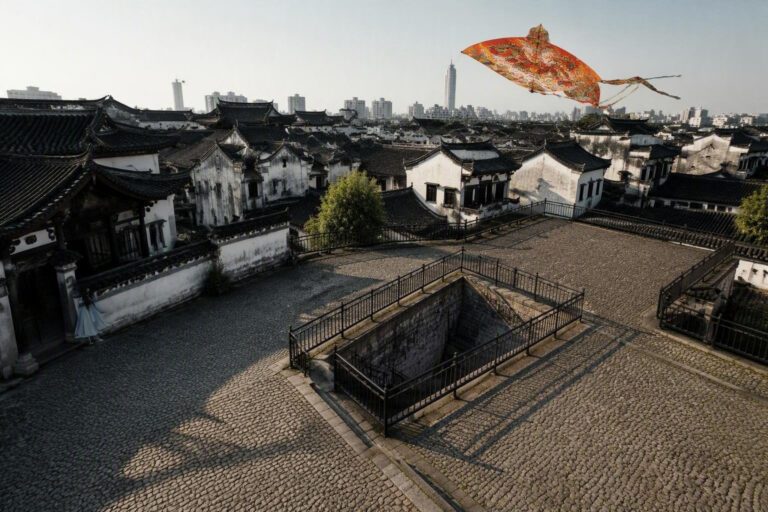
Kites have soared through human history, evolving from simple toys to intricate works of art and cultural symbols. Their journey spans centuries and continents, blending engineering with creativity. This transformation is evident in various forms, from traditional designs to contemporary installations, each telling a unique story.
The allure of kites lies in their ability to harness the wind, turning it into a canvas for expression. Whether used for communication, celebration, or art, kites continue to captivate people worldwide. Their designs reflect the cultures and histories of their makers, making them a fascinating subject of study and admiration.
The Origins and Evolution of Kites
The history of kites dates back to ancient China between 475 and 221 BCE. Early designs often mimicked birds, using wooden frames to create lightweight, aerodynamic shapes. Over time, kites found diverse applications, from military signaling to ceremonial use, while their basic structure remained remarkably simple: a framed surface held by a line.
In Japan, the Edo period saw the development of bow-shaped kites made from bamboo and washi paper. These kites, often painted with bold faces or warriors, showcased the relationship between image and structure. The slight curve of the frame provided lift, while the decorations remained visible from the ground. This tradition continues today through artisans like Mikio Toki, who have dedicated decades to preserving these techniques.
Kites as Cultural Symbols
In Guatemala, kites take on a monumental role during the fairs of the Saints and the Dead. Giant circular barriletes, made from bamboo and dense paper, are crafted by communities in Santiago Sacatepéquez and Sumpango. These kites, often reaching architectural scale, serve as temporary facades before being flown. The tradition, dating back to the late 19th and early 20th centuries, centers on communication with ancestors and has been recognized by UNESCO as part of the Intangible Cultural Heritage of Humanity.
The Afro-Indigenous kite runners of Salvador, Brazil, use kites as a symbol of their ancestral territory. Each week, they skillfully fly colorful kites against the backdrop of the Abaeté dunes. This ritual, captured in the film ‘The Kite Ballet’ by Thaís Muniz, highlights the community’s resistance to development and their connection to nature. The film emphasizes the importance of play and negotiation with nature as acts of resistance.
Modern Art and Kites
Contemporary artists have embraced kites as a medium for artistic expression. Jacob Hashimoto’s Giant Arc, set to open at SFMOMA in August 2026, features nearly 75,000 hand-built kites forming a canopy that mimics clouds and open air. This installation transforms a familiar object into an architectural marvel, showcasing the logic of flight in every detail.
Artists like Tyrus Wong and Tal Streeter have also explored the artistic potential of kites. Wong, known for his work in film design, created a 100-foot centipede kite and long strings of birds for beach flying. Streeter’s exhibition Kites: Red Line in the Sky featured slender frames and red marks set against open blue, describing them as ‘flying paintings.’ These works highlight the shift from static objects to dynamic events.
The Art Kites Project, organized by Paul Eubel, invited 100 artists to develop images for Japanese kite forms. Participants like Robert Rauschenberg and Niki de Saint Phalle created works that flew in Japan and Europe before being displayed in museums. This initiative blurred the lines between sky and gallery, making kites a bridge between art and nature.
Kite Club, led by industrial designer Bertjan Pot, focuses on contemporary product and textile design. Their bold single-line kites, made from ripstop nylon and carbon-fiber frames, draw inspiration from traditional Japanese structures. During a 2026 residency at Museum Voorlinden, the group worked in public, inviting guest makers and repairing kites brought in by visitors. Their book One Single Kite traces the construction of a demountable Kaku Dako from first cut to finished flight.