From the dancefloors of the 90s to today's dreamy soundscapes, ambient dub has undergone a remarkable transformation. Dive into its evolution and discover the artists shaping its future.
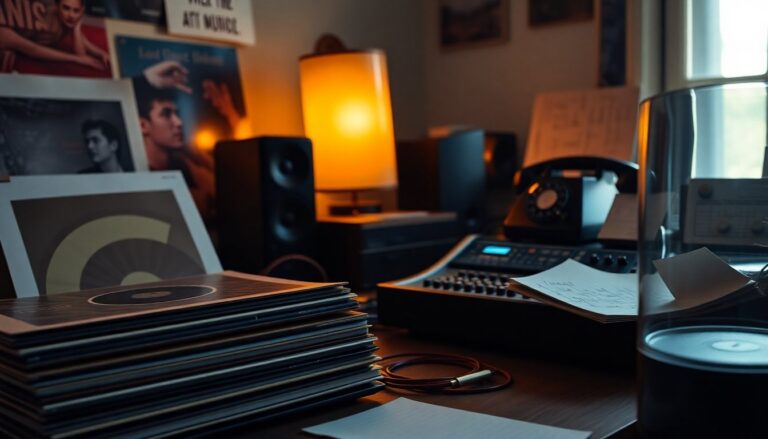
The ambient dub of the 1990s had a clear purpose: it was the soundtrack for the chillout room, a sanctuary for those recovering from the intensity of the dancefloor. Pioneers like The Orb blended Jamaican dub techniques with synthetic arpeggios, creating a psychedelic yet grounded sound.
Meanwhile, Rhythm & Sound stripped the genre down to its essentials, focusing on a cold, bass-driven core. Artists like Andy Stott and Rod Modell (under the alias cv313) pushed the boundaries further, exploring minimal and dusty territories.
Fast forward to today, and the physical space of the chillout room has dissolved into an introspective journey. Artists like Brian Leeds (of Huerco S.) and Jesse Sappell are redefining ambient dub with a new grammar that incorporates glitch, IDM, and illbient elements. The rhythm has slowed, and microsounds have taken center stage, creating dense architectures of reverb. This new wave of ambient dub is less about the vastness of space and more about the intimate exploration of memory.
The New Grammar of Ambient Dub
The contemporary ambient dub scene is characterized by its introspective and abstract nature. Artists are using downpitching techniques from vaporwave and sampling from emo-trap to create a sound that is both nostalgic and forward-thinking. This shift is evident in key albums released between 2018 and 2026, which serve as a map of the genre’s evolution.
One notable example is Dj Trystero‘s Cantor’s Paradise (2026), which blends slow dub techno with derealizing effects. The album’s letargic pace and iridescent dub textures create a sense of dormiveglia, where the rhythm is more of a suggestion than a driving force. Similarly, Florian T M Zeisig‘s Planet Inc (2026) takes inspiration from the German Space Night program, using dub techno and IDM to create a fluttuating, meditative soundscape.
Key Artists and Albums
Igor Dyachenkoa Russian-born artist now based in Berlin, uses a modular synthesizer and Elektron Digitakt to create futuristic soundscapes. His album Objects (2026) is a testament to his methodical approach, blending natural and urban sounds with glitch elements. Meanwhile, Jake Muir‘s Mana (2026) is an illbient masterpiece that evokes the fantasy worlds of Japanese video games, using abstract and indistinct sound morphologies.
These artists, along with others like Pontiac Streator and 3XLare pushing the boundaries of ambient dub. The genre’s lack of a geographical center and its presence on platforms like Bandcamp highlight its decentralized and community-driven nature. Berlin remains a hub for live performances, and the scene continues to thrive with a focus on innovation and experimentation.
The Future of Ambient Dub
As ambient dub continues to evolve, it is clear that the genre is moving away from its physical roots and into the realm of inner exploration. The use of digital tools and innovative production techniques is allowing artists to create soundscapes that are both familiar and groundbreaking. With a focus on introspection and memory, ambient dub is poised to remain a vital and evolving genre in the years to come.