

Moussa Mara’s arrest raises concerns about freedom of expression and political repression in Mali. What does this mean for the future of democracy in the country?
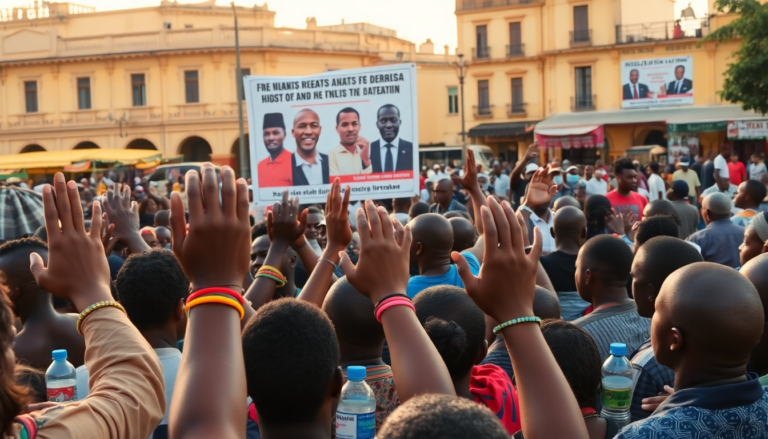
The recent arrest of Moussa Mara, former prime minister of Mali, has sparked a wave of discussions about political repression and the state of democracy in a country already grappling with instability. Charged with ‘undermining the credibility of the state’ after posting on social media about his visits to political prisoners, Mara’s case is more than just an individual issue—it reflects the broader struggles facing Mali today.
So, what does this mean for Mali and its citizens? Let’s dive in! 💬
The backdrop of Mara’s arrest
In a nation that has experienced its fair share of political turmoil, Moussa Mara’s eight-month stint as prime minister from 2014 to 2015 was just a brief chapter in a longer saga of instability.
His recent arrest follows a social media post where he expressed compassion for political prisoners, stating, “As long as the night lasts, the sun will obviously appear!” While this sentiment is undeniably hopeful, it has reportedly put him in serious trouble with the authorities.
It’s a perplexing situation—Mara’s words resonate with many who are yearning for justice and change in Mali. Yet, the current regime perceives such expressions as threats to their authority. This brings up a critical question: how far can a leader go in showing solidarity with those imprisoned for their beliefs before facing backlash? 🤔
After his post, Mara was detained on the orders of a cybercrime prosecutor, highlighting a growing trend of silencing dissenting voices in Mali. His lawyer has mentioned that the charges against him include undermining state authority and inciting public disorder. These allegations suggest a climate where free speech is under siege, raising serious concerns about the future of political discourse in the nation.
The implications for Mali’s democracy
Since the military took control in 2020 and 2021, Mali’s political landscape has shifted dramatically. The promise of returning to civilian rule by March 2024 feels increasingly distant, especially after the military dissolved political parties back in May. General Assimi Goita’s extended grip on power signals a troubling trend for democratic governance.
What does this mean for the average Malian? Well, the arrest of a former prime minister serves as a stark reminder that speaking out against the regime can have severe consequences. This is giving me serious “chilling effect” vibes, where individuals might hesitate to voice their opinions or advocate for change out of fear of retribution. Who else thinks this is a dangerous path for any nation? 😟
As Mara awaits his trial, scheduled for September 29, the situation is evolving rapidly. His legal team is actively contesting the charges, and the outcome could set a significant precedent for how dissent is handled in Mali moving forward. The stakes are high, and the world is watching. Are we witnessing the slow erosion of democratic rights in Mali?
Community response and the future of political discourse
The public’s reaction to Mara’s arrest has been one of concern and outrage. Activists and everyday citizens alike are rallying to support him, viewing his plight as emblematic of the struggles faced by many in Mali. This is where the power of social media comes into play—people are using platforms to spread awareness and mobilize support. ✊💬
In a country where political freedom is increasingly under threat, the importance of community solidarity cannot be overstated. Conversations around Mara’s case are popping up across various forums, sparking debates about leadership, accountability, and the right to free expression. It’s crucial to keep these discussions alive, as they are the lifeblood of any democracy.
As we reflect on Mara’s situation, let’s also consider what it means for the future of Mali. Will the voices of the people be silenced, or will they rise up, demanding justice and change? The narrative is still unfolding, and each of us plays a part in shaping the outcome. What are your thoughts on this? How do you see the future of political dissent in Mali? Let’s keep the dialogue going! 💭
