

Health Concerns: Measles Outbreak in Canada and Recovery Strategies for North America A recent measles outbreak in Canada has heightened concerns regarding public health across North America. Experts are actively discussing effective strategies to reverse this trend and enhance community immunity. By emphasizing vaccination awareness and implementing robust public health initiatives, health professionals aim to mitigate risks and protect vulnerable populations. Engaging with communities...
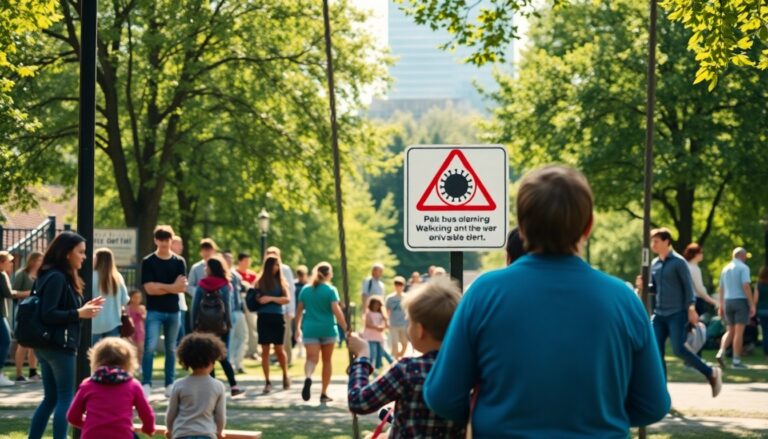
In a concerning development for public health, North America is experiencing a resurgence of measles following an outbreak in Canada. This situation has led to the reinstatement of endemic transmission of the disease in the region. Health experts are closely monitoring the situation and emphasize that while this setback is serious, it is not irreversible.
Measles, a highly contagious viral infection, poses significant risks, particularly to unvaccinated populations. The recent uptick in cases serves as a stark reminder of the importance of vaccination and herd immunity in safeguarding public health.
Understanding the outbreak in Canada
The outbreak in Canada has raised alarm bells among health officials, signifying a troubling trend. Endemic transmission means that the virus is circulating within the population, potentially leading to further outbreaks if not controlled. This situation is particularly concerning given the history of measles in North America, where the disease was previously considered eliminated.
Experts attribute the resurgence to a combination of factors, including vaccine hesitancy and misinformation regarding vaccine safety. As a result, vaccination rates have declined in certain communities, creating pockets of vulnerability where the virus can thrive.
The role of vaccination in prevention
Vaccination against measles is crucial not only for individual protection but also for achieving herd immunity. This concept refers to the idea that when a significant portion of the population is immunized, it shields those who cannot be vaccinated, such as infants and individuals with compromised immune systems. The World Health Organization recommends that at least 95% of the population be vaccinated to effectively control measles outbreaks.
Nevertheless, the decline in vaccination rates in some areas poses a risk not only to those who are unvaccinated but also to the broader community. Public health campaigns aimed at increasing awareness about the benefits of vaccination are essential to reversing this trend and preventing future outbreaks.
Looking ahead: The potential for recovery
Despite the alarming nature of the outbreak, experts remain hopeful that North America can regain its previous status regarding measles. According to health authorities, the steps required to turn this situation around are well established. Increasing vaccination rates through targeted public health campaigns and community engagement is vital.
Furthermore, healthcare providers play a critical role in this effort by educating patients about the importance of vaccinations and dispelling myths surrounding them. Improved access to vaccines, especially in underserved communities, can also contribute to a stronger defense against measles.
Community involvement and education
Community involvement is pivotal in combating vaccine hesitancy. Local leaders, educators, and healthcare professionals can work together to create initiatives that foster trust in the medical community. For example, hosting informational sessions and providing resources about the safety and efficacy of vaccines can help alleviate concerns.
Additionally, social media campaigns can be effective in reaching a wider audience and combating misinformation. By promoting factual information and sharing success stories from vaccinated individuals, communities can encourage others to participate in vaccination programs.
