

Explore how sports and physical activities promote well-being and mitigate inequalities across England.
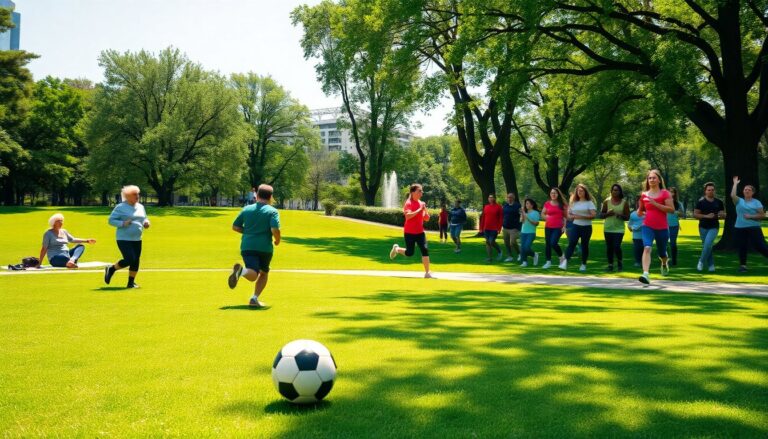
The importance of sports and physical activity has become increasingly clear, particularly regarding their impact on health and societal well-being in England. Initiatives like the Active Lives and Activity Check-in surveys provide valuable insights into the factors influencing participation levels among different demographics.
By examining this data, we can identify the barriers and motivators that shape activity behaviors across various groups.
Our commitment to addressing inequalities in sport and physical activity is evident through the introduction of the inequalities metric and the place need classification.
These tools aim to identify communities that require support and to pinpoint individuals who are less likely to participate in physical activities. This focused strategy allows us to allocate resources effectively, ensuring that everyone has the opportunity to engage in sports.
Key findings on social value and well-being
The social value generated by community-based sports and physical activities is significant, with estimates indicating a total of £122.9 billion in social value for the year 2025/24. This figure highlights the direct benefits experienced by individuals participating in sports, as well as the considerable savings achieved by public health services. The primary value, contributing £106.9 billion, is derived from enhanced well-being among participants. Additionally, the secondary value, totaling £15.9 billion, represents reduced pressure on healthcare systems.
The components of social value
Breaking down the primary value reveals that adult participation alone contributes a remarkable £84.2 billion, complemented by £14.1 billion from the participation of children and young people aged 7 to 16. Additionally, voluntary efforts in supporting sports and activities account for approximately £8.6 billion. This figure highlights the community-driven nature of physical activity, where many initiatives thrive on the dedication of volunteers.
Addressing inequalities through targeted strategies
To enhance participation rates, it is essential to understand the socio-economic and personal factors that impede activity. Research indicates that some populations face barriers to engaging in sport, often stemming from a combination of personal, social, and economic characteristics. Identifying these challenges allows for the implementation of tailored strategies that create more inclusive environments.
Engagement and outreach strategies
Collaboration with universities and research organizations has provided insights into how community sports foster meaningful connections. Marginalized groups can benefit significantly from alternative sports organizations that create inclusive environments. These platforms empower individuals to express themselves authentically, bridging the gap between traditional sports and those who may feel excluded from mainstream participation.
Future directions and insights
Looking ahead, we employ horizon scanning to anticipate emerging trends and changes that could shape the landscape of sports and physical activity. This proactive strategy allows us to adapt our approaches to the evolving needs of communities. By analyzing shifts in technology, policy, and social dynamics, we can effectively support initiatives that promote physical activity.
Furthermore, the State of the Nation report offers a comprehensive analysis of significant events and trends spanning from November to November. Recognizing these societal shifts enables us to develop effective solutions that address the needs of various communities, ensuring that sports and physical activity remain accessible to everyone.
Our commitment to evaluating the impact of our programs and campaigns is crucial. By gathering insights from our initiatives, we can enhance our strategies and better meet the needs of individuals who may be less engaged in physical activity. This ongoing feedback mechanism is vital for fostering participation and nurturing a culture of physical activity throughout England.
The impact of sports and physical activity on health and well-being is significant. Targeted research and strategic investments can create a more equitable sporting environment. This approach ensures that everyone has the opportunity to thrive in their physical pursuits.
