

Headline: Nationwide Protests in Iran: Citizens Demand Action Against Rising Living Costs and Economic Hardship Summary: In recent weeks, widespread protests have erupted throughout Iran as citizens express their frustrations over escalating living costs and persistent economic challenges. The demonstrations reflect a growing discontent among the population, highlighting the urgent need for government action to address these pressing issues. Key Points: Increased public outcry due to soaring...
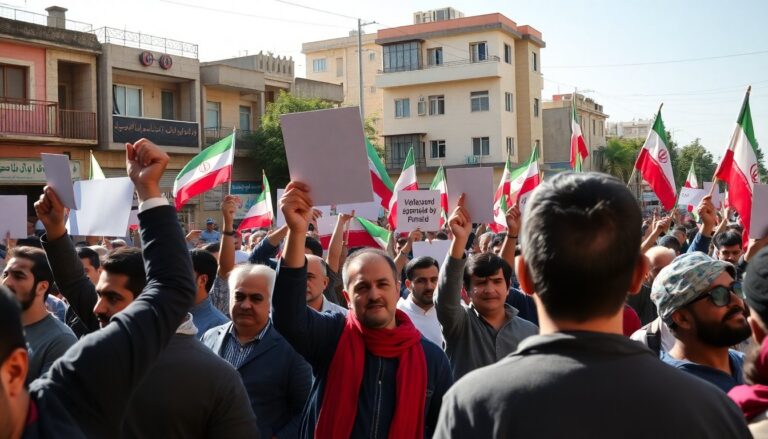
The recent wave of protests in Iran highlights the increasing discontent among citizens regarding the rising cost of living. As demonstrations spread nationwide, the government faces the challenge of addressing the legitimate grievances of its populace. Reports confirm that at least five individuals have died during these protests, with many others injured.
In the city of Azna, located in the Lorestan province approximately 300 kilometers southwest of Tehran, three people have been confirmed dead and 17 injured amid escalating tensions. Eyewitness accounts and videos circulating on social media depict a chaotic scene, with protesters clashing with security forces and chanting slogans against the government.
Escalating tensions trigger violent clashes
Earlier in the week, protests erupted in the city of Lordegan, around 470 kilometers south of Tehran, where two individuals were reported killed. The unrest began as shopkeepers voiced their frustrations over the government’s economic management, particularly the depreciation of the national currency and rampant inflation, which has soared to nearly 40 percent.
As protests intensified, demonstrators began targeting administrative buildings, leading to confrontations with law enforcement.
Government response and public sentiment
The Iranian government has adopted a more cautious approach to these demonstrations compared to previous protests. Iranian President Masoud Pezeshkian has acknowledged the protesters’ grievances, stating their demands are valid and recognizing the need for action to alleviate economic hardships. He emphasized that neglecting the issue of livelihoods could have severe consequences, as conveyed during a televised address.
In light of the unrest, government spokesperson Fatemeh Mohajerani announced plans for direct dialogue with trade union representatives and merchants, although specific details remain unclear. While authorities have promised to engage in discussions, they have also issued warnings against any attempts to exploit the situation to incite further unrest.
Continuing unrest amid economic challenges
As protests continue, university students have joined the movement, amplifying the demand for systemic change. Demonstrations have been reported in various cities, including Tehran, where students have taken to the streets to express their frustration with government policies. These protests have been characterized by a mix of peaceful assembly and violent confrontations, underscoring the complexity of the situation.
Security forces have responded with force, deploying tear gas and, in some instances, live ammunition. Videos from the protests depict chaotic scenes, with law enforcement clashing with demonstrators, raising concerns about the government’s handling of public dissent.
International implications and internal dynamics
The current unrest in Iran occurs amid heightened scrutiny from the international community, particularly given the backdrop of Western sanctions that have exacerbated economic difficulties. The Iranian government faces significant pressure on its economy, which has been further strained by global geopolitical tensions.
Moreover, the recent appointment of Ahmad Vahidi as deputy commander-in-chief of the Islamic Revolutionary Guard Corps (IRGC) reflects the internal dynamics at play within the leadership as it navigates both domestic unrest and external threats. The IRGC’s role in maintaining public order amid protests has been a focal point of criticism, raising questions about the balance of power within Iran.
As protests persist, Iranian leadership must address the underlying economic concerns while managing public discontent. The call for reforms and transparency in governance is becoming increasingly urgent as citizens demand accountability and a resolution to their grievances.
