

Understanding Situs Inversus: Implications and Impact on Patients Explore the complexities of situs inversus, a rare condition where the major visceral organs are reversed or mirrored from their normal positions. This condition presents unique challenges and considerations for those diagnosed. Key Insights: Definition and Overview: Situs inversus is characterized by a complete transposition of organs, impacting approximately 1 in 10,000 individuals. Diagnosis: Early detection through imaging...
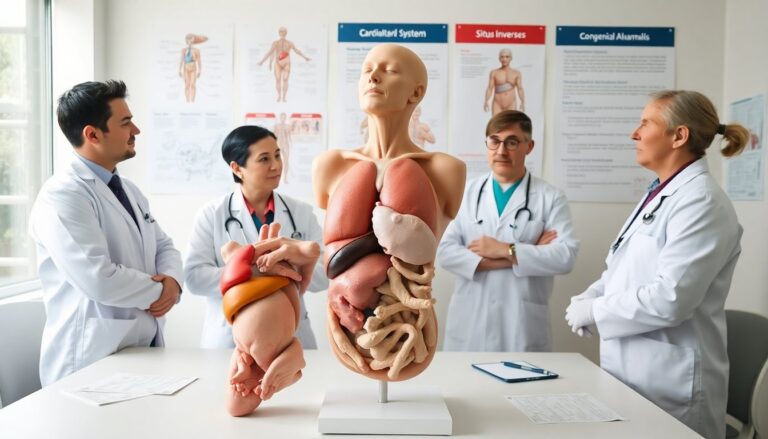
The world of human anatomy includes numerous complexities, one of which is a condition known as situs inversus. This rare congenital disorder results in the reversal of internal organs, creating a mirror image of the typical anatomical arrangement. Interest in this condition has surged recently, especially following the passing of actress Catherine O’Hara, who lived with situs inversus.
As curiosity increases, it is crucial to understand what this condition entails and its potential impact on those affected.
Situs inversus affects approximately 1 in 10,000 individuals, making it relatively uncommon. However, many individuals with this anomaly lead normal, healthy lives, often unaware of their condition.
To better understand situs inversus, we will explore its symptoms, diagnosis, and implications for those affected.
Recognizing the signs of situs inversus
Identifying situs inversus can be challenging, as many individuals may exhibit no noticeable symptoms. In many instances, the condition is discovered incidentally during imaging studies, such as X-rays or ultrasounds, conducted for unrelated reasons.
The most apparent sign is the reversed position of the heart and other organs.
Common symptoms to look for
While many individuals with situs inversus may not experience health issues, some might notice symptoms related to associated conditions. Awareness of these signs can aid in recognizing the disorder:
- Chest pain or discomfort, which may indicate heart-related issues.
- Abdominal pain, potentially linked to digestive problems.
- Respiratory issues, possibly related to other syndromes.
It is important to emphasize that not everyone with situs inversus will experience these symptoms, and many lead entirely normal lives.
Diagnosis and implications of situs inversus
Diagnosis of situs inversus typically occurs through imaging techniques. A chest X-ray may reveal the heart positioned on the right side instead of the left. Similarly, an ultrasound can provide insight into the arrangement of abdominal organs. Once diagnosed, understanding the implications for one’s health becomes vital.
Living with situs inversus
For most individuals with situs inversus, the condition does not pose significant health risks. However, important considerations remain:
- The potential for complications: While most individuals with situs inversus are healthy, there may be a higher risk of certain conditions, such as congenital heart defects or gastrointestinal issues.
- Importance of communication: Individuals diagnosed with this condition should inform their healthcare providers, especially during surgeries or procedures involving internal organs.
- Emotional and psychological aspects: Living with a unique medical condition can lead to feelings of anxiety or concern, particularly if there is a lack of awareness in family or social circles.
Support groups and online communities can be beneficial for individuals and families coping with situs inversus, providing a platform for shared experiences and advice.
Embracing the uniqueness of situs inversus
Situs inversus serves as a compelling reminder of the diversity of human anatomy. While it may present challenges, many individuals with this condition thrive and lead fulfilling lives. Awareness and understanding empower those diagnosed with situs inversus to navigate their health effectively. As more people become informed about this rare condition, the stigma and misconceptions surrounding it can diminish, paving the way for greater acceptance.
