A low-cost fiber supplement, psyllium husk, can increase satiety and support weight loss for people using GLP-1 injections such as Wegovy and Mounjaro
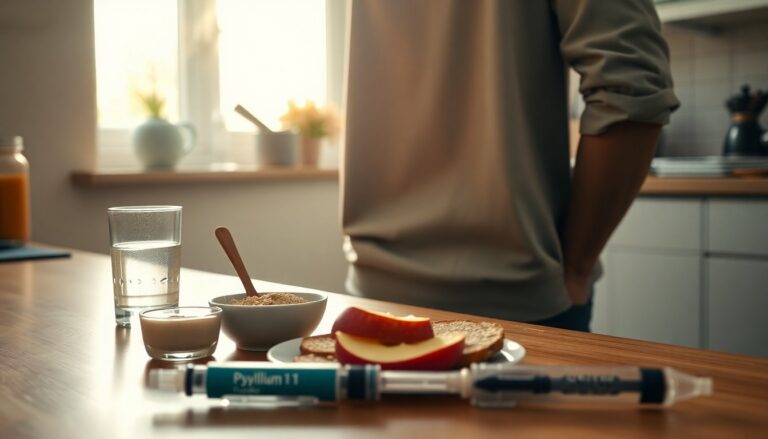
The growing use of GLP-1 injections such as Wegovy and Mounjaro has helped many people reduce their weight, but a significant number experience a slowdown or plateau after the initial months. These drugs deliver an artificial dose of the gut hormone often called the satiety hormone, which reduces appetite and encourages smaller portion sizes.
However, researchers and clinicians stress that medications work best when paired with nutritional strategies; among those, increasing fiber intake stands out as a highly effective, inexpensive complement to drug therapy.
One of the most accessible forms of fiber is psyllium husk, a supplement derived from the outer coating of the Plantago ovata seed.
Taken as a powder mixed with water or as capsules, psyllium acts as a bulk-forming fiber that swells in the stomach to promote fullness. Experts suggest that incorporating this supplement can be particularly helpful for people whose weight loss stalls on GLP-1 therapy, and emerging analyses of clinical data support its role as part of a broader, evidence-based approach to long-term weight management.
How GLP-1 injections and fiber work together
GLP-1 injections reduce hunger by mimicking the gut hormone released after eating, and they alter appetite signals to the brain. But appetite suppression from drugs is not identical to the effects produced by dietary fiber. Fiber increases chewing time, slows gastric emptying, and creates a physical sensation of bulk that reinforces satiety. When the two mechanisms operate together—hormonal appetite modulation from injections plus the mechanical fullness from fiber—the combined effect can be greater than either alone. Clinicians emphasize that the jabs are not a long-term cure on their own and that diet quality, including adequate fiber, remains essential.
What psyllium husk does and what the evidence says
Psyllium husk absorbs liquids to form a viscous gel that occupies space in the stomach, which can reduce appetite and lower caloric intake. In a 2026 review published in the Journal of the American Association of Nurse Practitioners, overweight and obese adults who took psyllium before meals lost more than two kilograms in under five months. A 2018 meta-analysis also found that about ten grams daily of psyllium reduced LDL cholesterol, the so-called ‘bad’ cholesterol, which is linked to cardiovascular risk. These findings show benefits beyond simple weight change: improved metabolic markers and appetite control make psyllium a useful adjunct for many people.
Clinical insights and practical outcomes
Practitioners who work with patients on GLP-1 medications report that introducing a daily dose of psyllium husk can help break small plateaus and stabilize hunger between meals. Nutritionists note that supplementing with fiber is especially practical in populations with low baseline intake—research indicates that a high proportion of adults do not meet recommended fiber targets. For people using GLP-1 treatments, boosting fiber can align physiological signals and dietary behavior, thereby improving the likelihood of continued weight loss or maintenance when medications begin to lose momentum.
Safety, dosing and long-term strategy
Safety is important when adding psyllium husk. The supplement must be taken with ample fluid—typically at least two glasses of water—because it expands and could cause obstruction when consumed dry or with insufficient liquids. Consistency matters: effects on weight and cholesterol accrue over weeks rather than days, so users should plan for ongoing use and monitor hydration. Experts also recommend that anyone considering psyllium use consult their healthcare provider, particularly if they have swallowing difficulties, intestinal strictures, or take other medications that may be affected by fiber.
Preparing for life after medication
Many clinicians advise that people view GLP-1 injections as a tool to support behavior change rather than an indefinite solution. Studies suggest a substantial portion of individuals regain weight within twelve months of stopping the drugs, so building sustainable habits is crucial. That includes raising natural fiber intake through fruits, vegetables, whole grains and pulses, prioritizing adequate protein to preserve lean mass, and maintaining regular strength training to support metabolism. When used thoughtfully, psyllium husk alongside these measures can make the transition off medication smoother and reduce the risk of rapid weight regain.
In short, psyllium husk offers a low-cost, well-studied way to complement GLP-1 injections such as Wegovy and Mounjaro. It works by enhancing the physical feeling of fullness, has evidence for modest weight and cholesterol benefits, and—when used with adequate fluids and under medical guidance—can be part of a durable weight-management plan that emphasizes diet quality, protein intake, and strength training.