A 28-year-old was arrested in Peckham on suspicion of handling the phone stolen from Morgan McSweeney; the device has not been found and questions remain about the police log and political messages
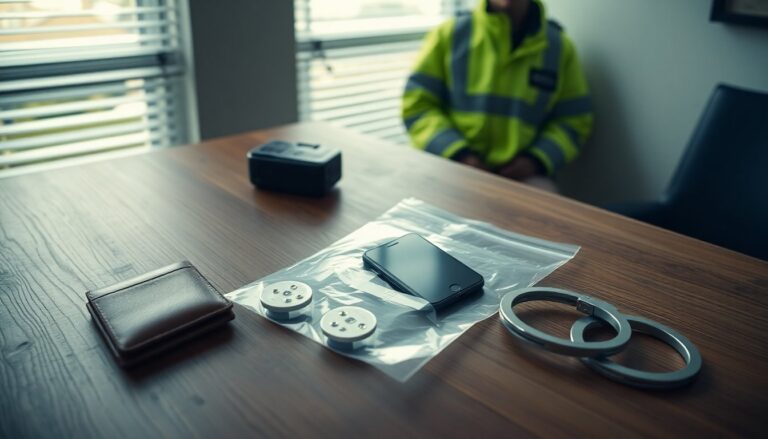
The Metropolitan Police have arrested a man in relation to the sale of a government-issued mobile device that once belonged to Morgan McSweeney, the former chief of staff to Keir Starmer. Officers say the suspect, a 28-year-old, was detained at an address in Peckham on 29 April on suspicion of handling stolen goods and later released on bail.
The device, an iPhone issued for official use, was reported taken shortly before 10.30pm on October 20, 2026 in Pimlico; it has not been recovered. Authorities say the arrested man is not believed to have been involved in the initial theft but may have received and sold the phone.
The case has attracted national attention because the device could contain exchanges between Morgan McSweeney and Peter Mandelson, relevant to the latter’s ill-fated appointment as ambassador to the United States. After the theft emerged publicly, parliamentary pressure compelled the government to disclose related documents and messages, and MPs sought thousands of files to clarify what officials knew about Mandelson’s past connections.
The potential loss of messages on the stolen device has intensified scrutiny of how the incident was handled by both the police and Number 10, including steps taken to secure or track the handset after it was reported missing.
Investigation and arrest
The Met Police statement describes a probe focused on the movement of the device after the theft on Belgrave Road in Pimlico. According to officers, investigators reviewed CCTV from the area and sought witness accounts while preparing to speak to Downing Street officials about the circumstances. The suspect detained in Peckham is alleged to have acquired the phone following the robbery and to have sold it on; he has been bailed pending further inquiries. The police reiterated that the handset has not yet been located and that the man detained is not suspected of committing the original street theft. The force emphasized the ongoing nature of the inquiry and the need to trace the phone’s final chain of custody.
The 999 call, logging error and evidence
When Morgan McSweeney rang 999 to report the theft he described the device as a government phone with a tracker and said a cyclist snatched it from the pavement. The recorded interview shows he chased the rider but could not keep up. Crucially, he did not identify himself in that call as the prime minister’s chief of staff, a detail that later drew criticism. Police have acknowledged a separate problem: the crime was logged at the wrong location. The entry mistakenly recorded Belgrave Street in Tower Hamlets rather than Belgrave Road in Westminster, complicating early investigative steps and sparking concerns about how the incident was prioritised amid high demand for officers.
How the misrecording affected the response
The mislabelled address meant resources were not directed to the correct area immediately, and the call handler explained that officers could not be dispatched because of extreme demand on the service. The police later released the full transcript of the 999 call — an unusual measure — to clarify reporting details and correct public misunderstanding. During the exchange the handler issued a crime reference number, advised on password changes, and explained how to provide tracker information and IMEI details if the device was located. That information has become central as investigators try to determine whether any recoverable communications still exist elsewhere, including copies held by government systems.
Political implications and missing messages
The potential content of the stolen device has become a point of political contention because some messages between Morgan McSweeney and Peter Mandelson might not be recoverable, even as the Cabinet Office confirmed it holds certain exchanges. MPs moved to force disclosure of documents relating to Mandelson’s appointment, with questions focused on what was known about his ties to the convicted financier Jeffrey Epstein. McSweeney left his role at No 10 in February, accepting responsibility for failures in the appointment process; the stolen phone episode has added to scrutiny of internal communications and record-keeping during that period.
Next steps for the inquiry
Investigators continue to examine CCTV, trace electronic leads, and interview possible witnesses and suspects. The arrested man was bailed while enquiries progress and the phone remains missing. The police will aim to establish the route by which the device moved from the scene of the theft to the hands of those who may have sold it, and to determine whether any recoverable material remains. Meanwhile, political figures and parliamentary committees are likely to press for clarity on what messages were preserved by government systems and what the theft means for the transparency of the ambassadorial appointment process.