A UK resident says a switch to digital visa records left him unable to board a flight home, forcing a prolonged separation from his children and mounting expenses
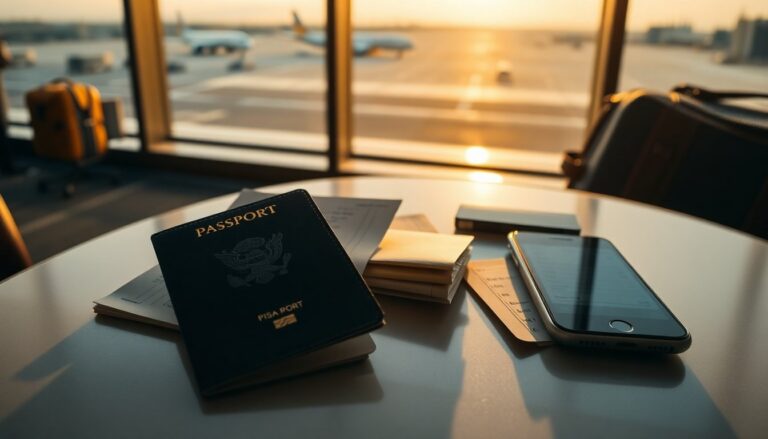
The situation began as a normal holiday but escalated into a prolonged bureaucratic limbo for Ryan Cameron, a 44-year-old man who moved from Denver, Colorado as a baby and holds indefinite leave to remain in the UK. According to Mr Cameron, airline staff in Barbados refused to let him board a flight bound for the UK on March 16 because his physical paperwork no longer matched the newly introduced digital record system.
He insists he travelled with the required passport and a legacy paper vignette, and that this refusal has left him separated from his children for weeks while costs and stress mount.
What happened at the airport
Mr Cameron says the refusal to allow him to board came despite his belief that his documents were valid.
He travelled with a US passport and the paper evidence of his UK status that he has used for years, yet at the departure gate he was told the paper form was no longer acceptable. He claims the change to a digital system had been announced to take effect on March 11, five days before his outbound flight, but he did not receive any notification.
After being denied travel, he was advised to seek a different route back and was told that to obtain a formal electronic record he would need to apply for a No Time Limit (NTL) status — a process the Home Office says must be completed while physically in the UK.
Bureaucracy, definitions and conflicting guidance
The Home Office has described the move as a phased approach to replace paper documents with online records known as eVisas. The website explains that legacy holders can convert their status free of charge, submitting an application so that a digital copy is linked to a UKVI account. For clarity, officials note that a eVisa is an electronic record representing immigration status rather than a physical sticker, and that existing paper stamps or vignettes still confer legal status while travelling. Mr Cameron contests that, despite this official position, airport staff and carrier checks refused him passage, producing a clash between policy and practice that has left him stuck overseas.
Why the No Time Limit rule matters
Part of the dispute centres on the No Time Limit (NTL) application, which the government frames as the route for holders of indefinite leave to remain or other legacy status to receive a digital record. The Home Office guidance explicitly states that the free conversion needs to be carried out from within the UK, an instruction that complicates matters for those already outside the country when the switch takes effect. Mr Cameron says he was told by airline staff that they could not accept the paper documentation and that UKVI would not process an NTL application from abroad, creating a procedural dead end with important personal consequences.
Official responses and the human cost
After media enquiries, the Home Office said it was “working with carriers to resolve the issue” and ensure Mr Cameron can return. The man, who lives in Blackwater, Cornwall, told reporters the experience has had a severe emotional and financial impact: his children flew home with their mother, leaving him separated from them for weeks; he is unable to work on contracts while stuck overseas; and he has incurred accommodation and visa-related costs. He reports that he has already lost significant business, including a recent £5,000 contract, and that he has not received consistent guidance from the authorities involved.
Practical steps taken and public support
To cover immediate expenses and lost earnings, Mr Cameron launched a GoFundMe campaign and has raised in excess of £2,400 toward a £3,000 target. He also visited the British High Commission and says he was redirected to the American Embassy because he holds a US passport, although that office told him it could not intervene since his intended destination was the UK. The mix of communications — from carrier checks to Home Office statements — has left him waiting for a clear, actionable path back, while campaign donors and local contacts press officials for a solution.
What this case highlights
Mr Cameron’s experience exposes the friction that can occur when administrative systems change rapidly and travellers are caught mid-transition. The eVisa rollout aims to modernise record-keeping, but this case underlines the need for coordination between the Home Office, carriers and foreign missions to ensure individuals are not stranded. For those with legacy documentation, the advice remains to carry physical evidence of status and to contact UKVI guidance channels, yet this episode demonstrates that the reality on the ground may differ and that more robust carrier training and clearer messaging are required to prevent similar separations.