

As temperatures soar, South East Water has imposed a hosepipe ban, urging residents to limit their water usage. Discover the latest updates and expert advice.
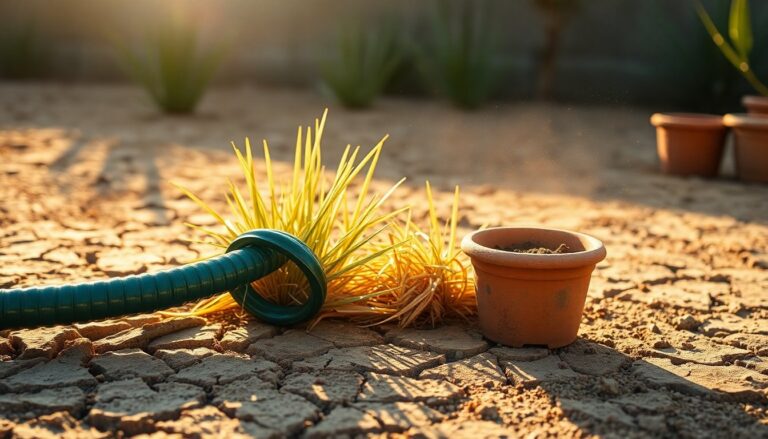
The UK is bracing for another intense heatwave, prompting water companies to take proactive measures to conserve resources. As temperatures are expected to climb, households are being urged to be mindful of their water consumption.
South East Water has become the first company to implement a hosepipe ban affecting residents in KentSurreyHampshireBerkshire and Sussex.
This decision comes as the company reported treating 644 million litres of water on Sunday alone, which is 56 million litres above the average for June.
Water Companies Respond to Rising Temperatures
With the Met Office issuing a rare red weather warning for parts of England and Wales, water companies are taking steps to ensure supply stability.
The warning, in effect from 9am on Wednesday to 9pm on Thursday covers areas including LondonSwanseaSomerset and Birmingham.
Wessex Water has also encouraged its customers to limit non-essential water use. In a social media post, the company reminded residents that grass is tougher than it looks and can naturally cope with hot, dry spells.
They suggested that reducing hose use can help save water and even minimize weeds.
Water Shortages and Supply Incidents
In addition to the heatwave preparations, some areas are currently facing water shortages due to supply incidents. Near York a third-party pollution incident has resulted in low water pressure for households in Easingwold and Tollerton. Yorkshire Water has set up bottled water stations to assist affected customers while they work to resolve the issue.
Similarly, a burst water main in Witney west Oxfordshire, has left homes with low pressure or no water at all. Thames Water is actively working to repair the damage and restore normal service.
Expert Advice and Health Alerts
Met Office deputy chief forecaster Mark Sidaway emphasized the severity of the upcoming heatwave, stating that red warnings are reserved for the most severe events. He highlighted the potential health impacts, especially during tropical nights when temperatures do not drop below 20C making it difficult for people to recover from daytime heat.
Forecasters predict temperatures could reach as high as 40C in some parts of England and Wales, potentially breaking the June high-temperature record set in 1976 of 34C.
Helen Wakeham chair of the National Drought Group and director of water at the Environment Agency urged households to be mindful of their water usage. She emphasized the importance of conserving water to support farmers, local rivers, and wildlife during the crucial drier months.
As the UK prepares for the heatwave, residents are encouraged to follow water-saving tips and stay informed about local advisories. By working together, communities can help ensure a stable water supply and minimize the impact on the environment.
