The trial of Duane 'Keffe D' Davis, accused of orchestrating the 1996 murder of Tupac Shakur, has concluded with a guilty verdict after less than three hours of deliberation.
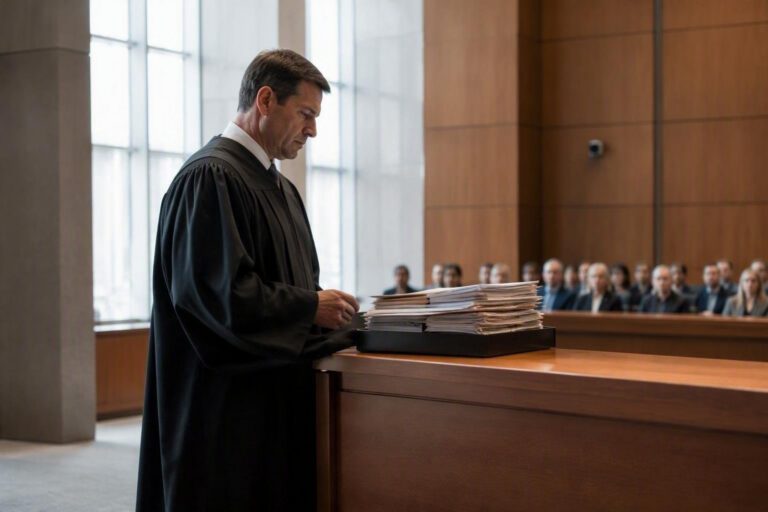
The trial of Duane ‘Keffe D’ Davis, accused of orchestrating the 1996 murder of rapper Tupac Shakur, has concluded with a guilty verdict. After less than three hours of deliberation on Monday, jurors found Davis guilty in the nearly 30-year-old case.
The trial, which took place in Clark County District Court at the Regional Justice Center in Las Vegas, revisited the night of September 7, 1996, when Shakur was fatally shot while on his way to perform at a club.
Davis is the only person ever charged in Shakur’s death.
Prosecutors argued that Davis orchestrated the shooting in retaliation for a casino brawl hours earlier involving Shakur and Davis’ nephew, Orlando ‘Baby Lane’ Anderson. The defense maintained that there was no physical evidence connecting Davis to the crime.
The Prosecution’s Case
Prosecutors rested their case after calling 24 witnesses, including detectives, former gang associates, and documentarians. They presented clips from Davis’ past interviews and recorded jail calls. In one call after his arrest, Davis complained that authorities were trying to use his statements against him. ‘They’re trying to use my words against me,’ Davis said in one call played for jurors.
A former Compton gang detective testified that Davis was a high-ranking ‘shot caller’ whose authority meant younger gang members would not have opened fire on Shakur with Davis present unless he allowed it. Robert Ladd, a former Compton police officer, described Davis as a leader of the South Side Compton Crips who could order younger members to act.
Prosecutors alleged that Davis provided the gun and that Anderson opened fire. They argued that Davis’ own words were central to their case, while the defense characterized his accounts as fabricated bravado.
The Defense’s Argument
The defense emphasized the lack of physical evidence supporting the prosecution’s theory. Ladd acknowledged that, aside from Davis’ own admissions, he had no physical evidence placing Davis in Las Vegas that night and no phone records showing Davis ordered the shooting. The defense argued that Davis’ confessions were lies made to embellish his reputation and that investigators failed to corroborate them.
Davis’ lawyer, Michael Sanft, told the jury that Davis’ confessions were ‘b——-‘ and laid out what he described as a ‘biased’ and ‘sloppy’ investigative effort from police. Sanft argued that Davis was targeted because he was known to be prone to embellishment.
The Impact of the Verdict
The verdict brings a semblance of closure to a case that has captivated the public for decades. The trial highlighted the complex web of gang affiliations and rivalries that surrounded Shakur’s life and death. It also underscored the challenges of prosecuting a case that spans nearly three decades, where memories fade, and evidence can be lost or degraded.
Davis faces a possible maximum sentence of life in prison. The trial has reignited interest in the circumstances surrounding Shakur’s death and the broader context of gang violence in the 1990s. As the only person ever charged in Shakur’s murder, Davis’ conviction marks a significant moment in the ongoing quest for justice in this high-profile case.