Three men nabbed in London for cashing in on fake gay asylum evidence, sparking a Home Office crackdown.
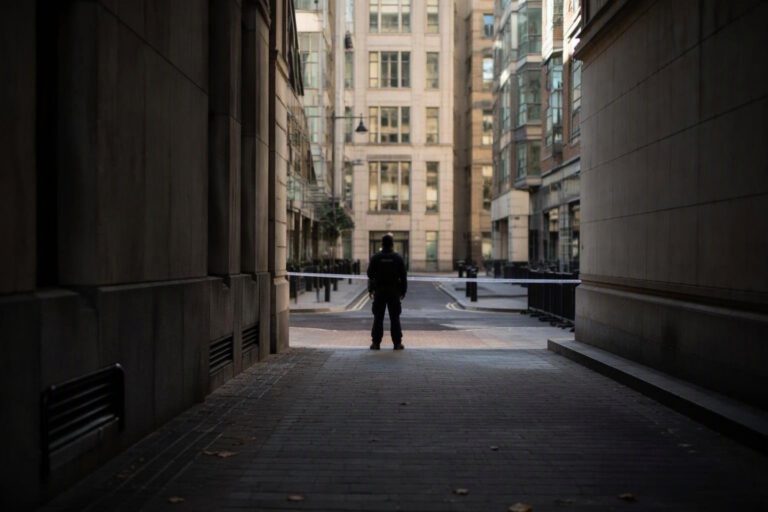
The Home Office announced this morning that three individuals were taken into custody at separate London addresses. Officers confiscated several mobile phones, pieces of jewellery and a cache of cash amounting to thousands of pounds. The operation focused on a suspected criminal ring that allegedly sold fabricated LGBTQ-related documentation to Bangladeshi men seeking asylum.
How the fraud operated
According to Chris Foster the regional lead for criminal investigations at the Home Office, the scheme centred on a community group called Apanjon based in Whitechapel, east London. Asylum caseworkers began noticing recurring patterns in applications that claimed persecution based on sexual orientation.
Those patterns triggered an internal review, eventually revealing that the group supplied forged support letters, staged photographs and even fabricated friendship or romantic correspondence to bolster claims.
The illicit services were priced between £1,000 and £4,500 per applicant.
Victims were promised a “comprehensive package” that could include images taken inside gay clubs, letters of endorsement from supposed community members, and medical reports suggesting a queer identity. The Home Office estimates that more than 100 asylum claims are linked to this network, and some of those cases would have been approved had the fabrications not been exposed.
Connections to other fraudulent advisers
The tactics mirror those uncovered earlier in a BBC investigation that highlighted advisers, notably Tanisa Khan who offered similar “complete packages” to migrants. Khan was associated with another community organisation, Worcester LGBT which has since shut down. Undercover footage showed Khan directing a reporter to attend a community centre event in Beckton, east London, and promising photographs from gay venues as part of the evidence bundle.
Men who attended the Worcester LGBT gathering later insisted they were not gay, with one remark echoing a common sentiment: “Nobody is gay here. Not even 1% are gay. Not even 0.01% are gay.” This statement underscores the chasm between genuine LGBTQ individuals and those being coerced into false narratives for profit.
Law enforcement response and upcoming prosecutions
Immigration judges have previously dismissed evidence from Apanjon as unreliable, labeling staged photographs and forged letters as “not credible.” The Home Office now faces the task of reviewing the entire batch of linked applications, a process that could result in the overturning of approvals and the removal of fraudulent claimants from the country.
Home Secretary Shabana Mahmood condemned the operation, describing the perpetrators as “beneath contempt” and warning that anyone found guilty of asylum fraud could face up to ten years in prison. She added, “To the gangs profiting from this disgraceful fraud: you will be prosecuted, stripped of your dirty money and shut down.”
The three arrests include two suspects charged with fraud and immigration offences, while a third individual was detained on suspicion of illegal residence. In addition to cash, the seized assets illustrate the financial incentives driving the scheme and the scale of the operation.
Potential impact on future asylum claims
Officials acknowledge that the exposure of this network may heighten scrutiny of genuine LGBTQ asylum applications, a concern voiced by advocacy groups. Nevertheless, the Home Office maintains that its priority is to protect authentic victims while eliminating those who manipulate the system for personal gain.
As the investigation continues, the department will keep reviewing cases tied to the recent media reports and the May arrests that preceded today’s raid. The outcome will likely influence policy guidance for asylum caseworkers and set a legal precedent for handling fraudulent claims involving sexual orientation.