

Discover a programme that blends medical sciences and sport science to prevent disease, boost performance and inform clinical practice at King's
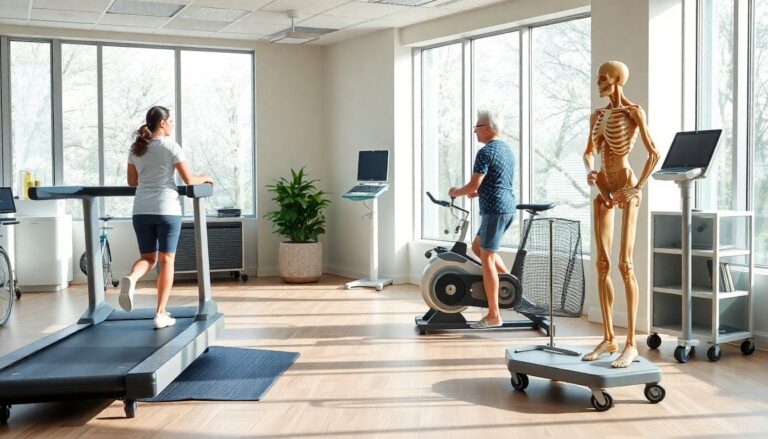
Sedentary habits, rising obesity and an ageing population have pushed exercise medicine from a niche interest into an essential part of healthcare. King’s Sport & Exercise Medical Sciences (SEMS) answers that need by teaching how movement becomes medicine: not just the physiology of exercise, but the real-world skills needed to turn evidence into safe, scalable care.
What SEMS teaches
SEMS mixes rigorous medical grounding with applied sport science. Students explore human physiology, biomechanics, nutrition, clinical science and behaviour change—then practice using those disciplines together. Coursework and labs focus on designing, testing and delivering exercise-based interventions so that academic concepts map straight onto patient care, athlete support and public-health projects.
Learning by doing
Theory is only the start. Supervised labs and clinical placements recreate the decisions clinicians face every day, from risk assessment to tailoring programmes for recovery or performance. That hands-on approach shortens the learning curve, so graduates are ready to step into clinical roles, community settings or elite sport teams and make an immediate impact.
Where graduates go
Alumni move into a broad range of roles: clinical services and rehabilitation, performance support for athletes, community health initiatives, public-health planning, research and policy. Employers value graduates who can design evidence-based plans, assess risk, measure outcomes and translate complex data into clear actions.
What organisations should provide
For exercise medicine to work safely and credibly, institutions must do their part. That means standardised protocols, robust supervision, clear documentation and routine auditing. Without these safeguards, patients risk harm and organisations risk reputational damage or regulatory problems.
Common pitfalls — and how to avoid them
Bad outcomes usually stem from poor personalisation, weak assessment tools, overstated claims or sloppy record-keeping. The remedy is straightforward: validated measurement tools, ongoing professional development, multidisciplinary collaboration and strong governance. Track outcomes, audit regularly and use data to refine programmes.
Digital health and data literacy
Modern practice requires comfort with wearables, remote coaching platforms and outcome dashboards. SEMS trains students to interpret activity-monitoring data and build personalised plans informed by analytics. But technology must sit inside strict governance: informed consent, data minimisation and device validation are non-negotiable before digital tools influence clinical decisions.
Why this matters now
Physical inactivity is a stubborn, costly public-health problem. SEMS tackles it at two levels—understanding the biology of exercise and the behavioural drivers that shape people’s habits—so graduates can deliver interventions that boost performance, aid rehabilitation and reduce chronic disease across populations.
A multidisciplinary advantage
By pulling together physiology, behavioural science, public health and data analytics, SEMS opens doors. Graduates are attractive hires for clinical teams, performance departments, health-tech firms and policy agencies—anywhere that needs people who can merge solid evidence with practical, scalable implementation. With the right organisational safeguards—supervision, protocols, outcome tracking and data governance—exercise medicine can move from promising theory to reliable, everyday healthcare.
