Learn how the joint EU-CoE 'Sport For All' project advances inclusion in sport, highlights recent events and explains how stakeholders can engage
The Sport For All initiative is a joint programme run by the European Union and the Council of Europe that seeks to remove barriers and widen access to physical activity for people with disabilities. Framed as a practical effort to change culture, policy and practice, the project runs from March 2026 – August 2026 and combines capacity building, public outreach and stakeholder engagement.
At its heart is a push for meaningful participation: not just attendance, but sustained involvement across grassroots and organised sport.
This article summarises recent actions under the project, highlights key events and explains how professionals, grassroots organisations and media partners can connect with the work.
It refers to public activities such as the podcast on Para sport held on 7 May 2026, the training workshop in Ankara from 7-9 April 2026, and the webinar on media representation on 24 March 2026. These milestones illustrate the project’s practical approach to improving inclusion and combating discrimination.
Recent activities and outreach
The project uses a mix of digital content, in-person training and targeted webinars to spread best practices on disability inclusion in sport. A series of online sessions provide guidance for media and sport administrators, while in-person workshops focus on hands-on skills such as accessibility assessments and inclusive coaching methods. By combining multiple formats, organisers aim to reach decision-makers and community practitioners alike. Emphasis is placed on replicable tools and resources so that lessons learned in one country can be adapted elsewhere within the 46 member states connected to the Council of Europe.
Podcast with Raymond Blondel
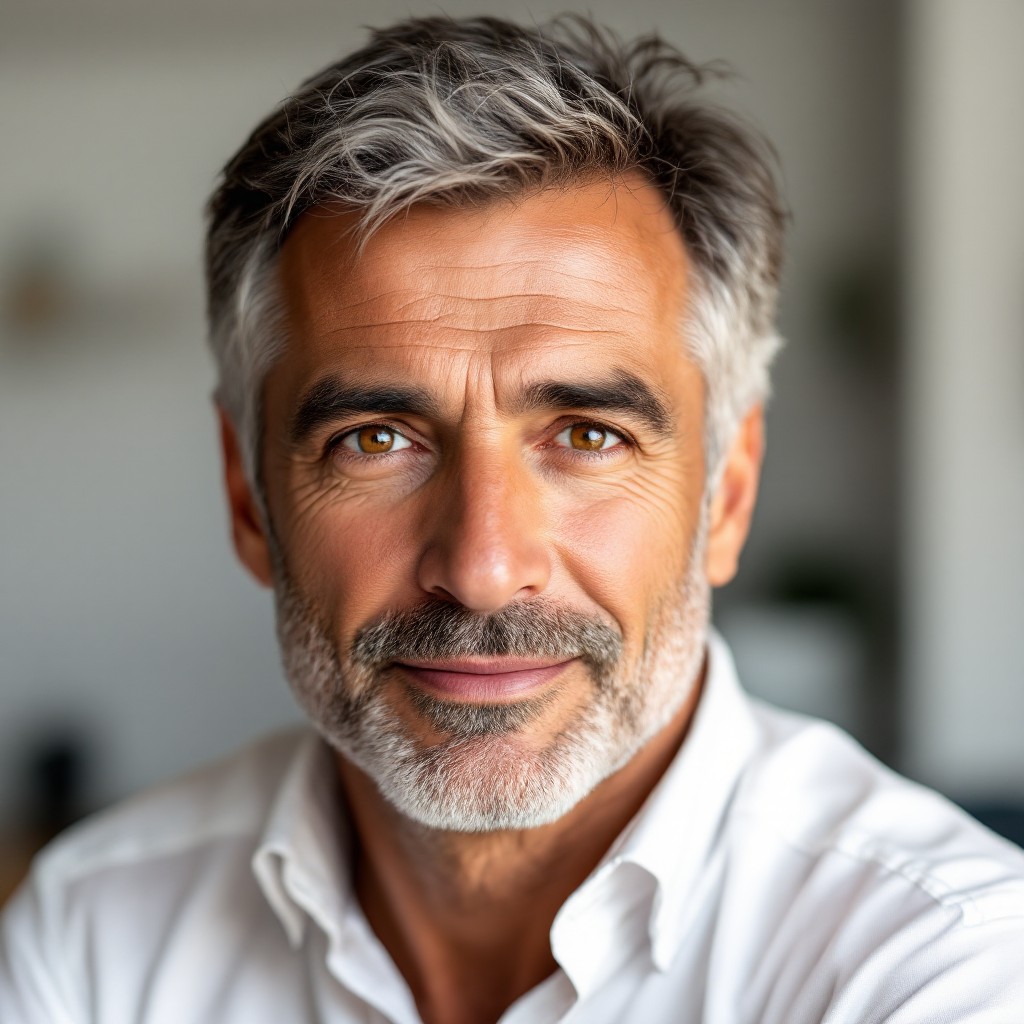
On 7 May 2026 the project released a podcast featuring Raymond Blondel, President of the European Paralympic Committee. The episode explored the evolving landscape of Para sport, youth engagement and the role of inclusive competition structures in fostering long-term participation. Listeners heard firsthand accounts of barrier removal and strategic approaches to athlete development, while hosts highlighted the importance of respectful media coverage. The conversation is presented as an accessible resource for sport managers and advocates looking to improve representation and opportunities for athletes with disabilities.
Training workshop in Ankara
Between 7-9 April 2026, a three-day training in Ankara focused on practical skills for implementing inclusive sport programmes. Participants included local authorities, national sport federations and disability organisations. Sessions covered topics such as venue accessibility planning, coaching adaptations and community outreach strategies. Trainers emphasised collaborative design with people with lived experience, describing co-design as a method that ensures services meet real needs. The workshop produced concrete action plans intended to be applied locally and shared across the project network.
Project goals, partners and methods
The joint project pursues several interconnected goals: to promote equal access to sport, to tackle discrimination against persons with disabilities and to encourage positive media portrayal. The coalition of partners includes the European Commission – Sport Unit and the Council of Europe’s Sport Division, supported by national federations and civil society. Core methods combine capacity development, policy dialogue and communications campaigns. The project also seeks to produce templates and guidance documents so that organisers can implement inclusive measures quickly and consistently.
How to follow progress and take part
Stakeholders can follow the initiative through official channels and join upcoming webinars, trainings and resource exchanges. The project maintains an online presence with recordings, guidance and contact points for organisations seeking technical support. For media professionals, dedicated sessions on representation explain why language, imagery and editorial choices matter for public perceptions. For practitioners, workshops and peer exchanges provide the kinds of operational tools needed to convert principles into practice. Connecting with the project is presented as a practical step toward building more inclusive local sport ecosystems.
Final note
By blending advocacy, training and media engagement, the Sport For All project aims to change both structures and perceptions so that sport becomes more accessible and welcoming for everyone. The combination of events—such as the 24 March 2026 webinar, the Ankara workshop and the 7 May 2026 podcast—demonstrates a sustained effort to move from intention to implementation, offering tools and networks that stakeholders can tap into across Europe.